

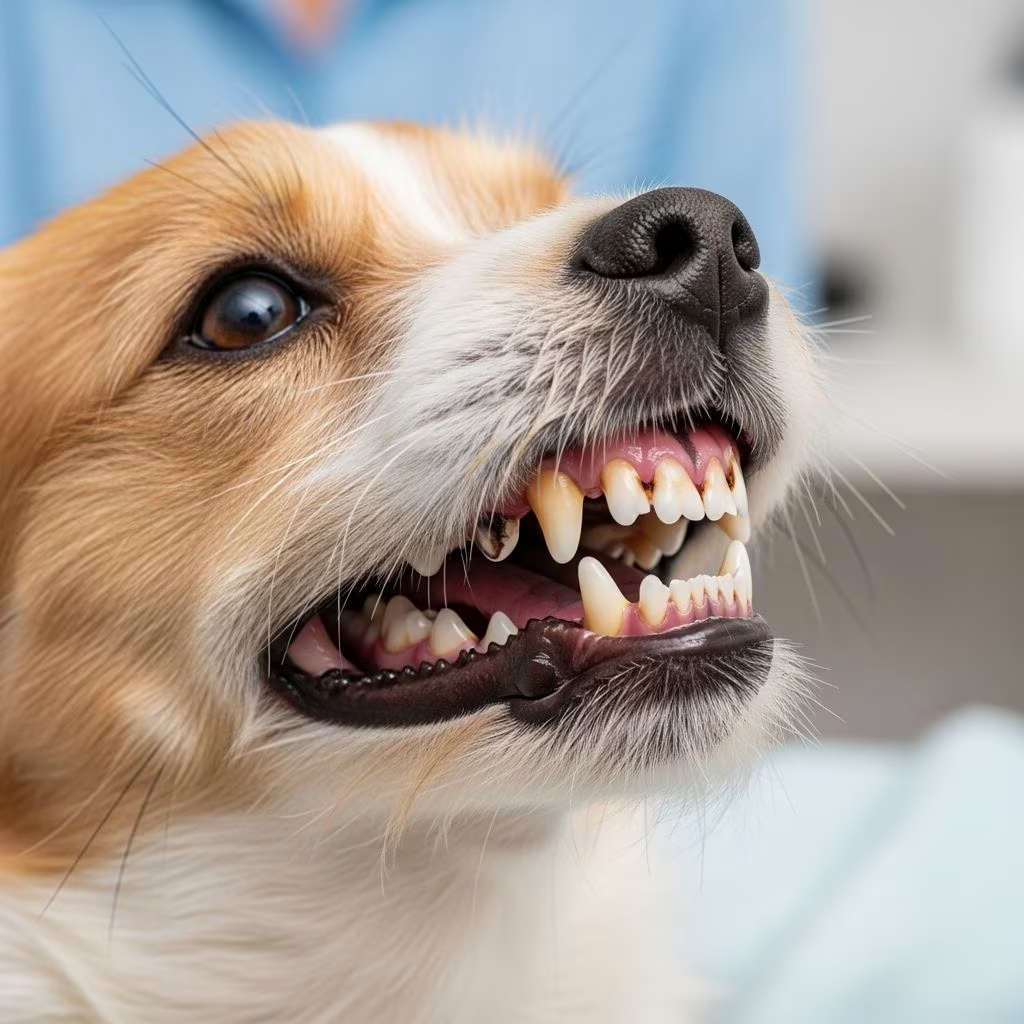
Small dogs, despite their adorable size and charm, face significant challenges with their oral health. Dental disease, particularly periodontal disease, affects a large percentage of small breeds, leading to pain, tooth loss, and serious health complications if left untreated. Owners of small dogs filed 10% more dental claims than those of large breeds, highlighting the breed-size connection to oral issues. Understanding why small dogs are vulnerable, recognizing early signs, and implementing proper care can greatly improve their quality of life.
Why Are Small Dogs Prone to Dental Disease?
Small dog breeds experience dental disease at higher rates due to anatomical and behavioral factors. Their teeth are crowded in smaller jaws, trapping food particles and bacteria more easily. This crowding promotes rapid plaque buildup, which hardens into tartar within days if not addressed. Unlike larger dogs with more spaced teeth, small breeds like Chihuahuas, Yorkies, and Pomeranians have teeth that fit poorly, accelerating gingivitis and periodontitis.
Additionally, small dogs often have faster metabolisms and diets that may not support optimal dental health. Poor chewing habits—many small dogs prefer soft foods or kibble they gulp rather than chew—reduce natural plaque removal. Studies from veterinary sources indicate small dogs are more likely to develop bone loss, gum recession, and eventual tooth loss compared to larger counterparts. Environmental factors like infrequent grooming and dirty toys exacerbate the issue.
What Is Dental Disease in Small Dogs?
Dental disease in small dogs, commonly periodontal disease, is an infection and inflammation of tissues surrounding the teeth. It begins with plaque—a sticky bacterial film—accumulating on teeth surfaces. Without removal, plaque mineralizes into tartar (calculus), irritating gums and causing gingivitis, the first reversible stage. If untreated, bacteria invade below the gumline, leading to periodontitis, bone destruction, and tooth loss.
In small dogs, this progresses silently, often without obvious pain until advanced stages. Gingivitis causes red, inflamed gums that bleed easily, while periodontitis erodes supporting structures. Tooth root abscesses, common in small breeds, form when bacteria reach roots, causing facial swelling and severe pain. Endodontic disease and developmental abnormalities like retained baby teeth further compound problems.
Symptoms of Dental Disease in Small Dogs
Small dogs mask pain well, making early detection crucial. Common symptoms include:
- Bad breath (halitosis): A foul odor from bacterial overgrowth, often the first noticeable sign.
- Discolored teeth: Yellow or brown tartar buildup along the gumline.
- Inflamed or bleeding gums: Red, swollen gums that bleed when touched.
- Excessive drooling: Sometimes “ropey” or bloody saliva.
- Difficulty eating: Favoring one side, dropping food, or reduced appetite.
- Loose, missing, or broken teeth: Advanced periodontitis signs.
- Facial swelling or pawing at mouth: Indicates abscesses or pain.
- Behavioral changes: Irritability, weight loss, or disinterest in toys.
Even subtle signs like nasal discharge or jaw chattering warrant a vet check. Regular mouth inspections reveal these issues early.
Health Risks of Untreated Dental Disease
Beyond oral pain, untreated dental disease in small dogs spreads bacteria into the bloodstream (bacteremia), affecting vital organs. Research links it to kidney, liver, and heart disease, as bacteria lodge in these areas causing chronic inflammation. Pain leads to reduced eating, malnutrition, and weight loss, weakening small dogs further. Fractured jaws, chronic infections, and systemic illness shorten lifespans. Small breeds’ size makes them vulnerable; early intervention prevents these cascading effects.
Diagnosis and Veterinary Treatment
Vets diagnose dental disease via physical exams, probing gums, and dental X-rays to assess bone loss and root issues—essential since 60% of problems are below the gumline. Treatments under anesthesia include:
- Scaling and polishing: Removes tartar above and below gums.
- Extractions: For hopelessly damaged teeth, common in small dogs.
- Antibiotics and pain management: Controls infection and discomfort.
- Abscess treatment: Drainage and root canal if feasible.
Post-treatment, X-rays confirm success. Small dogs recover quickly but require follow-up care.
Prevention: Home Dental Care for Small Dogs
Prevention is key, as professional cleanings carry anesthesia risks for tiny breeds. Daily routines mimic the original article’s emphasis on brushing:
- Brushing: Use dog-specific enzymatic toothpaste and soft brush 3+ times weekly. Start slow to acclimate.
- Dental chews and toys: VOHC-approved products reduce plaque by 20-70%.
- Diet: Dental kibble scrubs teeth; avoid soft-only diets.
- Water additives and rinses: Antibacterial formulas control bacteria.
- Regular vet checks: Annual exams catch issues early.
A table comparing home care options:
| Method | Effectiveness | Frequency | Notes for Small Dogs |
|---|---|---|---|
| Brushing | High (removes 70% plaque) | Daily/3x week | Use finger brush for tiny mouths |
| Dental Chews | Medium-High | Daily | Size-appropriate to avoid choking |
| Dental Diet | Medium | Daily | Transition slowly |
| Water Additives | Low-Medium | Daily | Easy, no resistance |
Consistency prevents 80% of cases.
Professional Dental Cleanings
Annual or bi-annual cleanings under anesthesia are vital for small dogs, removing subgingival tartar brushing misses. Pre-op bloodwork ensures safety. Costs vary, but prevention reduces frequency.
Special Considerations for Small Breeds
Breeds like Maltese or Shih Tzus need extra vigilance due to malocclusions. Puppies may retain deciduous teeth, requiring extractions. Seniors face rapid progression; monitor closely.
Frequently Asked Questions (FAQs)
Q: How often should I brush my small dog’s teeth?
A: Ideally daily, but at least 3 times weekly with enzymatic toothpaste for best results.
Q: Can dental disease affect my small dog’s heart or kidneys?
A: Yes, bacteria from the mouth can enter the bloodstream, leading to organ damage.
Q: What if my dog resists tooth brushing?
A: Use treats, finger brushes, and gradual training. Consult your vet for tips.
Q: Is dental kibble enough to prevent disease?
A: It helps but combine with brushing for comprehensive care.
Q: When should I schedule the first dental cleaning?
A: By age 2-3 if plaque builds, or as recommended by your vet.
This comprehensive guide empowers small dog owners to combat dental disease proactively, ensuring happier, healthier pets.
References
- Periodontal Disease in Dogs: Symptoms, Causes & Treatment — Guilford Jamestown Veterinary Hospital. 2020-08-13. https://www.guilfordjamestownvet.com/site/blog-greensboro-vet/2020/08/13/periodontal-disease-dogs-symptoms-causes-treatment
- The Serious Health Risks of Untreated Pet Dental Disease — Houston Pet Dentals. N/A. https://houstonpetdentals.com/blog/untreated-pet-dental-disease/
- 8 Symptoms & Treatment of Dental Problems in Dogs — Reedy Creek Veterinary Clinic. N/A. https://www.reedycreekvet.com.au/blog/dental-disease-in-dogs
- Dental disease in dogs — People’s Dispensary for Sick Animals (PDSA). N/A. https://www.pdsa.org.uk/pet-help-and-advice/pet-health-hub/conditions/dental-disease-in-dogs
- 8 Warning Signs of Pet Dental Disease — Animal Dental Center. N/A. https://www.animaldentalcenter.com/pet-owners/8-warning-signs-of-pet-dental-disease/
- What Are the Signs of Dental Disease in Dogs? — Malibu Coast Animal Hospital. N/A. https://www.malibuvets.com/blog/what-are-the-signs-of-dental-disease-in-dogs.html
- Dental Disease in Dogs — VCA Animal Hospitals. N/A. https://vcahospitals.com/know-your-pet/dental-disease-in-dogs
- Dental disease and home dental care — Cornell University College of Veterinary Medicine. N/A. https://www.vet.cornell.edu/departments-centers-and-institutes/riney-canine-health-center/canine-health-information/dental-disease-and-home-dental-care



