

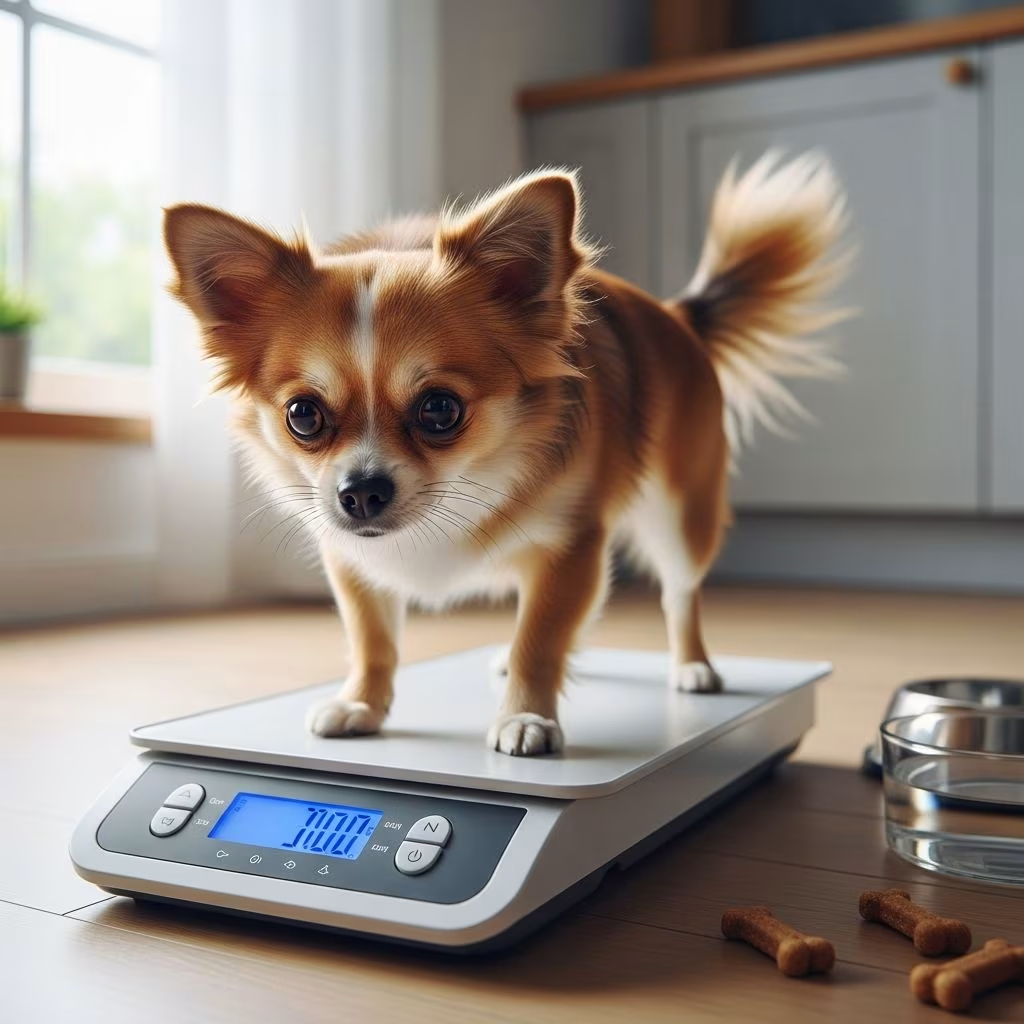
Small dogs, despite their compact size, often struggle with excess weight due to slower metabolisms, high energy needs in tiny packages, and common owner habits like over-treating. Maintaining an ideal body weight is crucial for their longevity, as obesity can lead to diabetes, arthritis, and heart problems. This guide provides actionable steps tailored for small breeds to achieve sustainable weight loss at a safe rate of 1-2% body weight per week.
Why Small Dogs Gain Weight Faster
Small breeds have higher metabolic rates relative to body size but burn fewer calories overall, making them prone to fat accumulation from even minor overfeeding. Fixed feeding amounts ignore activity variations, and treats can exceed 10% of daily calories unnoticed. Neutering also slows metabolism by up to 30%, increasing risks.
- Metabolic factors: Smaller dogs need fewer calories but often receive adult portions scaled incorrectly.
- Lifestyle influences: Indoor living reduces natural activity, leading to sedentary habits.
- Owner errors: Table scraps and unlimited treats add hidden calories.
Recognizing these patterns early through body condition scoring—feeling ribs with slight fat cover—is key to intervention.
Assessing Your Small Dog’s Ideal Weight
Consult a veterinarian for a body condition score (BCS) on a 9-point scale; aim for 4-5 where waist is visible and ribs palpable. Weigh monthly and calculate daily energy requirements (DER) based on current weight, targeting 1-5% monthly loss.
| Breed Example | Ideal Weight Range (lbs) | Daily Calories (Maintenance) |
|---|---|---|
| Chihuahua | 2-6 | 200-400 |
| Yorkshire Terrier | 4-7 | 250-450 |
| Pomeranian | 3-7 | 220-450 |
| Shih Tzu | 9-16 | 400-600 |
Use BCS charts and vet input to set realistic targets, adjusting for age, spay/neuter status, and health conditions.
Designing a Calorie-Controlled Diet Plan
Switch to measured portions using a kitchen scale; avoid scoops. Opt for AAFCO-approved weight management formulas with higher fiber for satiety on fewer calories. Divide into 2-3 meals daily to stabilize blood sugar and curb begging.
- Calculate DER: Resting Energy Requirement (RER) = 70 x (body weight in kg)^0.75, then multiply by 0.8 for weight loss.
- Choose kibble or fresh foods tailored to small jaws and calorie needs.
- Incorporate veggies like green beans for bulk without calories.
Eliminate free-feeding to track intake precisely, feeding at set times like 7 AM and 6 PM.
Smart Treat Choices and Portion Hacks
Treats should not exceed 10% of calories; use air-popped popcorn, carrot sticks, or apple slices. Break commercial treats into bits or dilute with kibble. For training, reserve 25% of meal as rewards.
- Low-cal options: Baby carrots (4 kcal each), cucumber slices, blueberries.
- DIY treats: Freeze broth in ice cube trays for chews.
- Post-meal trick: Add 5-10 kibbles to empty bowl for satisfaction.
Avoid human foods high in fat; consistency from all household members prevents sabotage.
Exercise Routines Suited for Small Dogs
Small dogs need 20-30 minutes daily, split into sessions to avoid fatigue. Focus on low-impact activities building endurance gradually.
- Sniff walks: Let them explore at their pace for mental and physical burn.
- Puzzle feeders: Make meals interactive to engage brain and body.
- Stair climbs or hallway fetch: Indoor calorie torcher.
- Swimming: Joint-friendly for overweight pups.
Increase intensity slowly—add fetch intervals or agility toys. Track with a pedometer app for dogs.
Overcoming Weight Loss Plateaus
If progress stalls after 6 months, reassess calories and boost activity to anaerobic exercises like short sprints or hill runs. Vet check for thyroid issues or adjust to higher-protein diets for muscle preservation.
Monitor every 2-4 weeks; adjust DER down by 10-20% if no loss. Family involvement ensures no extra calories slip in.
Health Risks of Obesity in Small Breeds
Excess weight shortens lifespan by 2 years, exacerbating tracheal collapse in breeds like Yorkies, heart strain, and mobility loss. Early control prevents insulin resistance and osteoarthritis.
Monitoring and Long-Term Maintenance
Weigh biweekly, log food/exercise in apps. Annual vet exams track BCS. Once at goal, gradually increase calories to maintenance while sustaining habits.
Frequently Asked Questions
How fast should my small dog lose weight?
Safe rate is 1-2% weekly or 3-5% monthly to avoid muscle loss or rebound gain.
Can I use human diet food for my dog?
No—lacks balanced nutrients; stick to vet-recommended canine formulas.
What if my dog begs constantly?
Increase meal frequency, add fiber, or use puzzle toys to extend satisfaction.
Is exercise enough without diet changes?
No—combine both for 70% diet success; activity aids 30%.
How do I handle multi-dog homes?
Feed separately in crates or rooms, measure individually.
References
- Creating a Weight Reduction Plan for Dogs — VCA Animal Hospitals. 2023. https://vcahospitals.com/know-your-pet/creating-a-weight-reduction-plan-for-dogs
- Dog Weight Loss Information — Pet Obesity Prevention. 2024. https://www.petobesityprevention.org/weight-loss-dogs
- 2014 AAHA Weight Management Guidelines for Dogs and Cats — American Animal Hospital Association. 2014. https://www.aaha.org/wp-content/uploads/globalassets/02-guidelines/weight-management/2014-aaha-weight-management-guidelines-for-dogs-and-cats.pdf
- A Simple Strategy for Healthy Dog Weight-loss — Pet Obesity Prevention. 2024. https://www.petobesityprevention.org/articlesandnews/healthydogweightloss
- Obesity and weight loss in dogs — Cornell University College of Veterinary Medicine. 2023. https://www.vet.cornell.edu/departments-centers-and-institutes/riney-canine-health-center/canine-health-topics/obesity-and-weight-loss-dogs



