

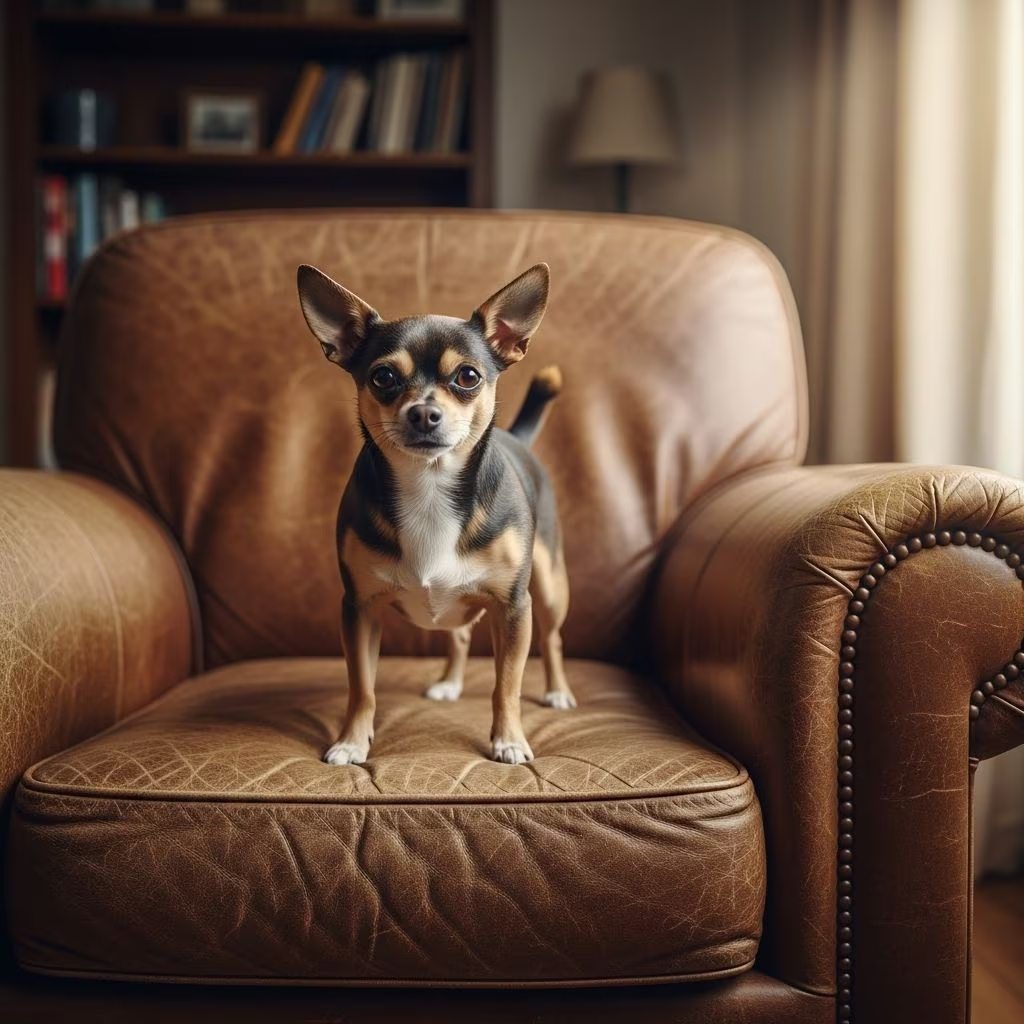
Small dog syndrome refers to a collection of challenging behaviors commonly observed in petite canine companions, including excessive vocalization, defiance, and overprotectiveness. These traits often emerge because owners inadvertently reinforce them through inconsistent handling, leading to heightened stress and reactivity in small breeds.
Recognizing the Hallmarks of Challenging Small Dog Behaviors
Pet owners frequently notice distinct patterns in their diminutive dogs that disrupt household harmony and social interactions. These manifestations are not inherent to size but develop from environmental influences and learned responses.
- Persistent Vocalizations: Small dogs may bark incessantly at passersby, visitors, or fellow pets, signaling discomfort rather than mere playfulness.
- Defiance Toward Instructions: Ignoring basic cues like ‘sit’ or ‘stay’ becomes routine, especially in novel settings.
- Resource Guarding: Possessiveness over toys, food, or personal space escalates into growls or snaps.
- Impulsive Leaping: Frequent jumping on people or furniture, often paired with nipping, asserts unwanted attention-seeking.
- Anxious Reactions: Heightened nervousness around larger animals or unfamiliar stimuli triggers lunging or hiding.
These actions intensify during encounters with bigger dogs or in public spaces, where the small dog’s stature amplifies perceived threats.
Why Petite Pups Develop Reactive Tendencies
The roots of these behaviors trace back to a blend of biological predispositions and human-influenced nurture. Certain toy breeds carry genetic leanings toward territoriality, yet external factors predominantly shape the syndrome.
Inadequate Early Exposure
Limited puppyhood interactions with diverse environments, people, and animals foster deep-seated insecurity. Without gradual introductions, small dogs interpret the world as hostile, responding defensively through barking or avoidance.
Training Deficiencies
Owners of small dogs often skip formal obedience classes, presuming their pet’s size negates the need. Studies reveal lower consistency in rewards and corrections for tiny breeds, eroding compliance over time.
Overindulgent Handling
Carrying instead of walking, yielding to demands, or excusing misdeeds as ‘adorable’ reinforces dominance attempts. This coddling prevents natural exercise and boundary-setting, breeding entitlement.
| Factor | Impact on Behavior | Example |
|---|---|---|
| Lack of Socialization | Increased Anxiety | Fear of large dogs leads to growling |
| Poor Training | Command Ignoring | Refusal to heel on walks |
| Owner Pampering | Attention Demands | Whining until picked up |
Debunking Myths Around Size-Based Attitudes
Unlike the human ‘Napoleon complex,’ small dog reactivity stems from overlooked stress cues rather than ego compensation. Humans miss subtle ear flicks or lip licks in tiny frames, allowing escalation to overt aggression. Larger breeds face stricter corrections, highlighting owner bias over innate traits.
Practical Solutions to Curb Reactive Patterns
Reversing these habits demands commitment to structured interventions, focusing on positive reinforcement and leadership establishment.
Establish Clear Leadership
Enter doorways first, feed after calm settling, and ignore bids for attention. Consistency signals the owner as pack guide, diminishing the dog’s need to control.
Implement Daily Walks
Mandate leash exercise to build confidence and prevent obesity. Short sessions suffice initially, gradually extending exposure to stimuli.
Boost Socialization Gradually
Use controlled playdates with compatible dogs, rewarding composure. Desensitization via distant large-dog sightings prevents overload.
Enforce Obedience Drills
Short, frequent sessions with treats for compliance rebuild responsiveness. Tools like clickers enhance precision.
- Begin in low-distraction home settings.
- Progress to parks during quiet hours.
- Avoid punishment; opt for redirection.
Health Ties to Behavioral Challenges
Unchecked syndrome contributes to joint strain from excess weight and chronic stress hormones. Routine vet exams rule out pain mimicking aggression, ensuring holistic care.
breed-Specific Considerations
While universal, patterns vary: Chihuahuas lean snappy, Yorkies yappy. Tailor approaches to temperament, consulting breed-savvy trainers.
Frequently Asked Questions
Can Any Dog Show These Traits?
Yes, though rarer in giants; it’s nurture-driven, not size-exclusive.
How Long Until Fixes Work?
Weeks to months with daily practice; patience yields results.
Is Professional Help Needed?
For severe cases like biting, seek certified behaviorists promptly.
Does Neutering Resolve It?
It may temper some urges but doesn’t supplant training.
Preventing in Puppies?
Early classes and firm routines from week 8 avert issues.
Long-Term Outlook for Managed Dogs
Diligent owners report calmer, joyful pets post-intervention. Transformed dynamics foster mutual respect, enhancing life quality for all.
References
- Small Dog, Big ‘Tood: Is Small Dog Syndrome A Real Thing? — Rover.com. 2023-05-15. https://www.rover.com/blog/small-dog-syndrome-real/
- What is Small Dog Syndrome & How to Fix it — Holiday Barn. 2024-02-10. https://holidaybarn.com/blog/small-dog-syndrome/
- 6 Snippy Signs Your Dog Has Small Dog Syndrome — The Honest Kitchen. 2023-11-20. https://www.thehonestkitchen.com/blogs/pet-tips-training/6-snippy-signs-your-dog-has-small-dog-syndrome
- Small Dog Syndrome – Expert Tips and Solutions — Purina Australia. 2024-08-05. https://www.purina.com.au/small-dog-syndrome.html
- Understanding Small Dog Syndrome — BullyBillows. 2023-07-12. https://www.bullybillows.com/blogs/news/understanding-small-dog-syndrome
- Little Dog Syndrome | Is it Actually a Thing? — Elite Veterinary Care. 2024-03-28. https://www.eliteveterinarycare.com/blog/little-dog-syndrome-is-it-actually-a-thing



