

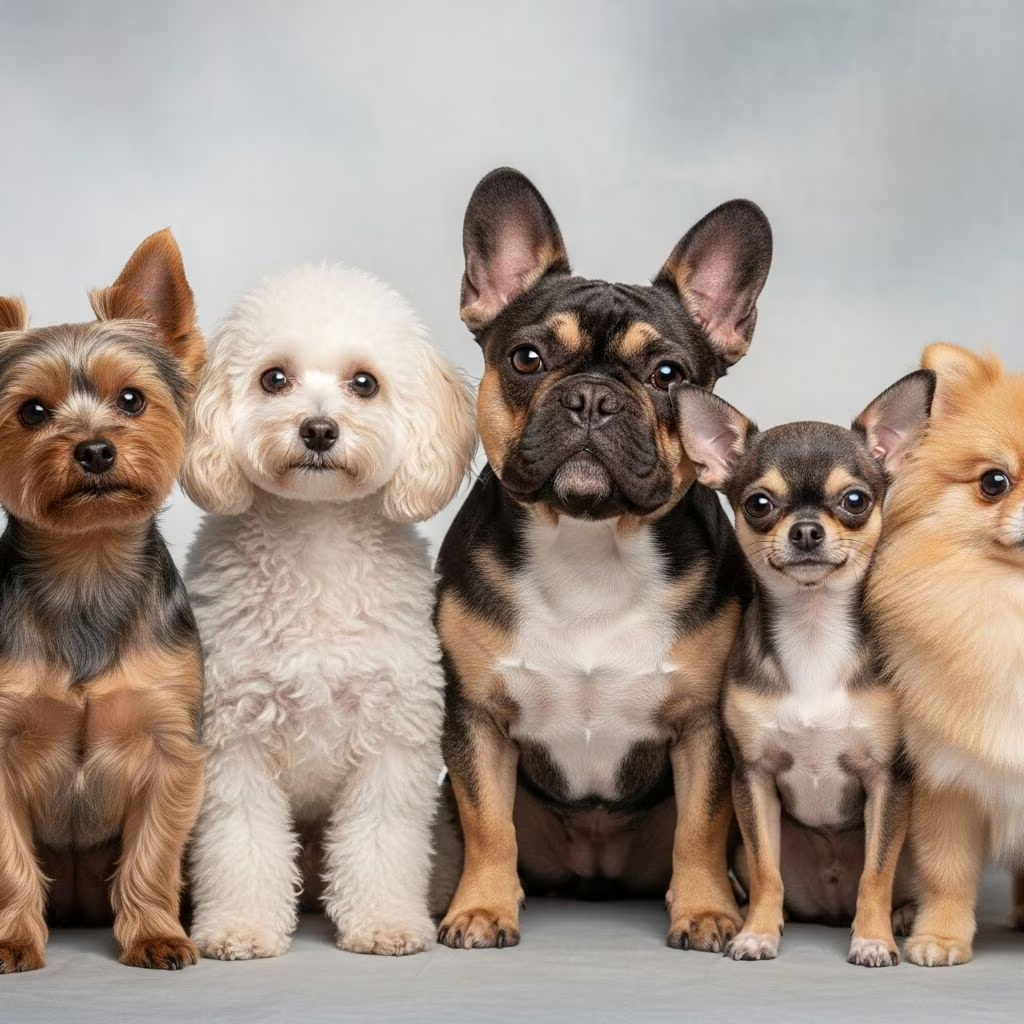
Small Dog Breeds: Personality, Care, and Urban Living
Small dog breeds have captured the hearts of millions of pet owners worldwide, and for good reason. These pint-sized companions pack enormous personality into their compact frames, making them ideal for various living situations and lifestyles. Whether you’re a first-time dog owner, live in a cozy apartment, or simply prefer the charm of a smaller companion, small dog breeds offer exceptional benefits that extend far beyond their adorable appearances.
The appeal of small dogs goes beyond cuteness. These breeds are masters of charm, spreading joy wherever they go with their irresistible personalities and entertaining antics. They require less food, take up less space, and are often easier to manage than their larger counterparts. Yet despite their diminutive size, small breeds demonstrate remarkable courage, intelligence, and unwavering loyalty to their families.
Understanding Small Dog Breed Categories
When discussing small dog breeds, it’s important to understand the distinctions between different size categories. Small breeds are generally defined as dogs that weigh 21 pounds or under, though they can be found across almost every AKC group. Within this category, there are additional classifications that help owners find the perfect match for their needs.
Toy Breeds
Toy breeds typically weigh less than 12 pounds and represent the tiniest of companion dogs. These breeds, such as Chihuahuas, Pomeranians, and Maltese dogs, excel in apartment living and are excellent for travelers. Their diminutive size makes them easy to pick up and fit comfortably in under-the-seat carriers for air travel. Despite their small stature, toy breeds possess outsized personalities and remarkable loyalty to their owners.
Small Breeds (10-25 lbs)
This category includes French Bulldogs, Boston Terriers, and Cavalier King Charles Spaniels—dogs that are small enough for apartment living but sturdy enough to handle more active lifestyles and interactions with children. These breeds offer the perfect balance between portability and durability, making them versatile companions for various family situations.
Compact Medium Breeds (25-35 lbs)
Breeds like Cocker Spaniels and smaller Beagles bridge the gap between small and medium dogs, offering small-dog convenience with more robust builds that can handle varied activities. These breeds maintain the practical advantages of smaller dogs while providing the heartiness of larger companions.
Popular Small Dog Breed Personalities and Traits
Chihuahua: The Mighty Mite
Personality: Confident, alert, and sometimes feisty
Size: 2-6 pounds
Energy Level: Moderate to high
Best For: Owners who want devoted companions and don’t mind strong personalities
Don’t let their tiny size fool you—Chihuahuas are the smallest dog breed by weight, yet they possess giant personalities. These charismatic pups are as confident as they come, demonstrating the attitude of a dog ten times their size. Chihuahuas tend to bond closely with one or two people and will shower them with affection and loyalty. They’re clever, cute, and content to snuggle in your lap, especially during cold weather. However, they can be prone to excessive barking and may develop “small dog syndrome” if not properly socialized. They require protection from larger dogs and cold weather.
French Bulldog: The Urban Charmer
Personality: Easygoing, adaptable, and friendly
Size: 20-28 pounds
Energy Level: Low to moderate
Best For: City dwellers, first-time owners, and families
French Bulldogs have captured the hearts of urban dwellers everywhere. These alert angels don’t get flustered by change and are affectionate even amidst chaos. They’re mostly quiet but always observant, making fast friends with both two and four-legged companions. French Bulldogs are perfect apartment dogs with moderate exercise needs. However, they can be heat-sensitive and prone to breathing issues, and they tend to be expensive to purchase. Despite these challenges, their adaptability and friendly nature make them excellent companions for various family structures.
Yorkshire Terrier: The Portable Terrier
Personality: Bold, intelligent, and sometimes stubborn
Size: 4-7 pounds
Energy Level: Moderate to high
Best For: Owners who want big dog attitude in a small package
Yorkies epitomize big personalities in small packages. These bold, intelligent dogs display a confidence and determination that belies their fragile appearance. While good for apartments, Yorkshire Terriers require consistent socialization to prevent excessive barking. Their coat requires regular professional grooming to maintain its signature long, silky appearance. Their portable size makes them excellent travel companions for owners willing to invest in their grooming needs.
Cavalier King Charles Spaniel: The Gentle Soul
Personality: Friendly, gentle, and eager to please
Size: 12-18 pounds
Energy Level: Moderate
Best For: Families, seniors, and first-time owners
Cavalier King Charles Spaniels represent the quintessential gentle companion. Their friendly, eager-to-please nature makes them excellent choices for families and seniors. These adaptable dogs integrate well into city life and are naturally good with strangers and other dogs. However, they can be prone to health issues and may develop separation anxiety if left alone for extended periods. Their loving nature and moderate temperament make them ideal for households seeking a devoted, gentle companion.
Pug: The Comedian
Personality: Charming, mischievous, and social
Size: 14-18 pounds
Energy Level: Low to moderate
Best For: Families, social owners, and those wanting entertaining companions
Pugs are little lovers known for stirring up a bit of mischief, yet their huggable nature makes them irresistible. These charming dogs wear their emotions on their faces and seem to beam messages through their soulful eyes. Pugs love curling up for naps but also enjoy games of fetch and trips to the dog park. They’re adaptable to various environments and family structures. However, they require careful weight management and can be heat-sensitive due to their brachycephalic structure. Kids love the Pug’s playful nature, and Pugs reciprocate with genuine affection.
Additional Notable Small Breeds
Pomeranian: Cheerful pups with playful personalities that like to show off. These boisterous, bright, and bubbly dogs make up for their small frame with the attitude of a much larger breed. Their perky personalities make them ideal family dogs, and their quick wit enables them to learn tricks quickly.
Dachshund: These iconic pups have intellect as big as their plucky personalities. Bred to hunt small game in tight spaces, they’re voracious sniffers who can’t help but explore their surroundings nose-first. They’re brave with every bone in their body—sometimes to a fault—and their big-dog bark may belie their small stature.
West Highland White Terrier: Congenial, whip-smart, and headstrong, Westies are guaranteed to bring families belly laughs. Their fun-loving personalities are as distinctive as their white coats and contrasting dark eyes. They faithfully play and protect, though independence is their middle name.
Shih Tzu: This quiet breed makes an excellent lap dog and willing playmate. They love being around their humans and have trusting, affectionate personalities that make them perfect for companionship-focused households.
Havanese: The Havanese is an extroverted breed that thrives on attention and companionship and tends to be less vocal than other small dogs. These petite dogs are excellent with kids and often entertain them with their latest tricks, a carryover from their early days as circus dogs.
Benefits of Owning a Small Dog Breed
Perfect for Urban Living
Small dog breeds are ideally suited for apartment living and urban environments. Their compact size means they require minimal space and can thrive in cozy apartments or homes with limited square footage. They’re naturally adaptable to smaller environments and make excellent travel buddies. You can take them practically anywhere, and they’ll be your adventurous sidekick whether you’re commuting on public transportation or visiting friends.
Lower Cost of Care
Small dogs tend to eat less and their basic care costs significantly less than larger breeds. They shed less fur in total amount and tend to make fewer or smaller messes than large dogs. Food expenses, medication dosages, and preventative care costs are generally more affordable for smaller breeds.
Easier Management and Control
Small dogs are considerably easier to control on a leash or by carrying. Whether you’re navigating crowded streets or need to manage your dog during a stressful situation, the physical manageability of small breeds offers practical advantages. They’re easier to handle at the veterinarian’s office and less challenging to manage during grooming sessions.
Exercise and Fitness Benefits
While small dogs may not need marathon-level workouts, they still love a good stroll around the block or a spirited game of fetch. Their energy levels are infectious, inspiring owners to get moving and enjoy the great outdoors. Fitness has never been so much fun when you have an enthusiastic small companion motivating you to stay active.
Charm and Emotional Connection
Small dog breeds are masters of charm with their adorable faces and irresistible cuteness. They can melt even the coldest hearts and are like walking happiness boosters, spreading joy wherever they go. Prepare for constant compliments and endless “awws” from everyone you meet. Their ability to form deep emotional bonds with their owners makes them exceptional companions.
Special Considerations for Small Dog Breeds
Sound Sensitivity and Barking
Because many small breeds were developed to sound an alarm and alert their people to potential danger, small dogs may be prone to barking more than other breeds. This characteristic stems from their historical roles as vermin catchers and alarm dogs. Proper training and socialization can help manage excessive vocalization.
Hand Sensitivity
Small dogs are often hand shy, meaning they may avoid hands coming over the top of their heads. Understanding and respecting this preference helps build trust and prevents anxiety during interactions.
Protection from Larger Dogs
Small dogs require careful supervision around larger dogs. A larger dog’s playful behavior can easily become dangerous for a small breed. When a small dog becomes frightened and runs, a larger dog may view this as a chase game, potentially resulting in injury. The small dog may be forced into protection mode, escalating the situation.
Health Considerations
Many small breeds are prone to specific health issues. Brachycephalic breeds like French Bulldogs and Pugs can experience breathing difficulties and heat sensitivity. Dental issues are common in toy breeds. Regular veterinary care and breed-specific health screening are essential for maintaining optimal health.
Choosing the Right Small Breed for Your Lifestyle
Selecting the perfect small dog breed requires careful consideration of your living situation, activity level, and personal preferences. Consider whether you prefer an active companion who enjoys outdoor adventures or a laid-back lapdog who prefers quiet evenings at home. Think about whether you have time for regular grooming or prefer low-maintenance coat types. Consider your family structure—do you have young children, seniors, or other pets that influence your choice?
First-time owners may benefit from breeds known for their trainability and adaptability, such as Cavalier King Charles Spaniels or French Bulldogs. Those seeking more independent, spirited companions might prefer Chihuahuas or Westies. Owners in warm climates should carefully consider heat-sensitive breeds, while those in cold climates might choose breeds with thicker coats.
Frequently Asked Questions
Q: Are small dog breeds good for first-time owners?
A: Yes, many small breeds are excellent for first-time owners. Cavalier King Charles Spaniels, French Bulldogs, and Pugs are particularly known for their adaptability and trainability. However, some breeds like Chihuahuas and Yorkies require more experienced handling due to their strong personalities and specific needs.
Q: How much exercise do small dogs need?
A: Most small breeds need 30-60 minutes of moderate exercise daily. However, energy levels vary by breed. High-energy breeds like Yorkshire Terriers and Maltese dogs may need more activity, while low-energy breeds like Pugs require less but still benefit from regular movement.
Q: Are small dogs good with children?
A: Many small breeds are wonderful with children, particularly Cavalier King Charles Spaniels, Pugs, and Havanese. However, supervision is essential, especially with very young children, as small dogs can be fragile. Breeds with delicate frames require gentle handling instruction for children.
Q: Do all small dogs require extensive grooming?
A: No, grooming needs vary significantly by breed. Breeds like French Bulldogs require minimal grooming, while Yorkshire Terriers and Shih Tzus need regular professional grooming. Consider your willingness to invest time or money in grooming when selecting a breed.
Q: How long do small dog breeds typically live?
A: Small dog breeds generally have longer lifespans than larger breeds, often living 12-18 years or more. Some breeds, particularly Chihuahuas and toy breeds, are known for their exceptional longevity when properly cared for.
Q: Can small dogs live in apartments?
A: Absolutely. Small dogs are ideally suited for apartment living due to their compact size and adaptability. Many small breeds require moderate exercise and are perfectly content in smaller living spaces.
References
- Small Dog Breeds: Characteristics and Care Tips — Wisdom Panel. 2024. https://www.wisdompanel.com/en-us/blog/dog-toy-breeds
- Small Dog Breeds – Big Personalities — Hill’s Pet Nutrition. 2024. https://www.hillspet.com/dog-care/behavior-appearance/comprehensive-guide-to-small-dog-breeds
- Small Dog Breeds Guide: Personality, Care, and Urban Living — WagBar. 2024. https://www.wagbar.com/small-dog-breeds-guide-personality-care-and-urban-living
- Small Dog Breeds — DogTime. 2024. https://dogtime.com/dog-breeds/characteristics/size/small
- Top Health and Personality Traits of 6 Popular Small Dog Breeds — Muenster Pet. 2024. https://muensterpet.com/blogs/blog/top-health-and-personality-traits-of-6-popular-small-dog-breeds
- Toy Group – Dog Breeds — American Kennel Club. 2024. https://www.akc.org/dog-breeds/toy/
- Small Dogs — Marin Humane Society. 2017. https://www.marinhumane.org/wp-content/uploads/2017/12/Small-Dogs.pdf



