11 Small Dog Breeds for People Who Like Large Dogs
Discover compact dog breeds with big personalities perfect for large dog lovers.
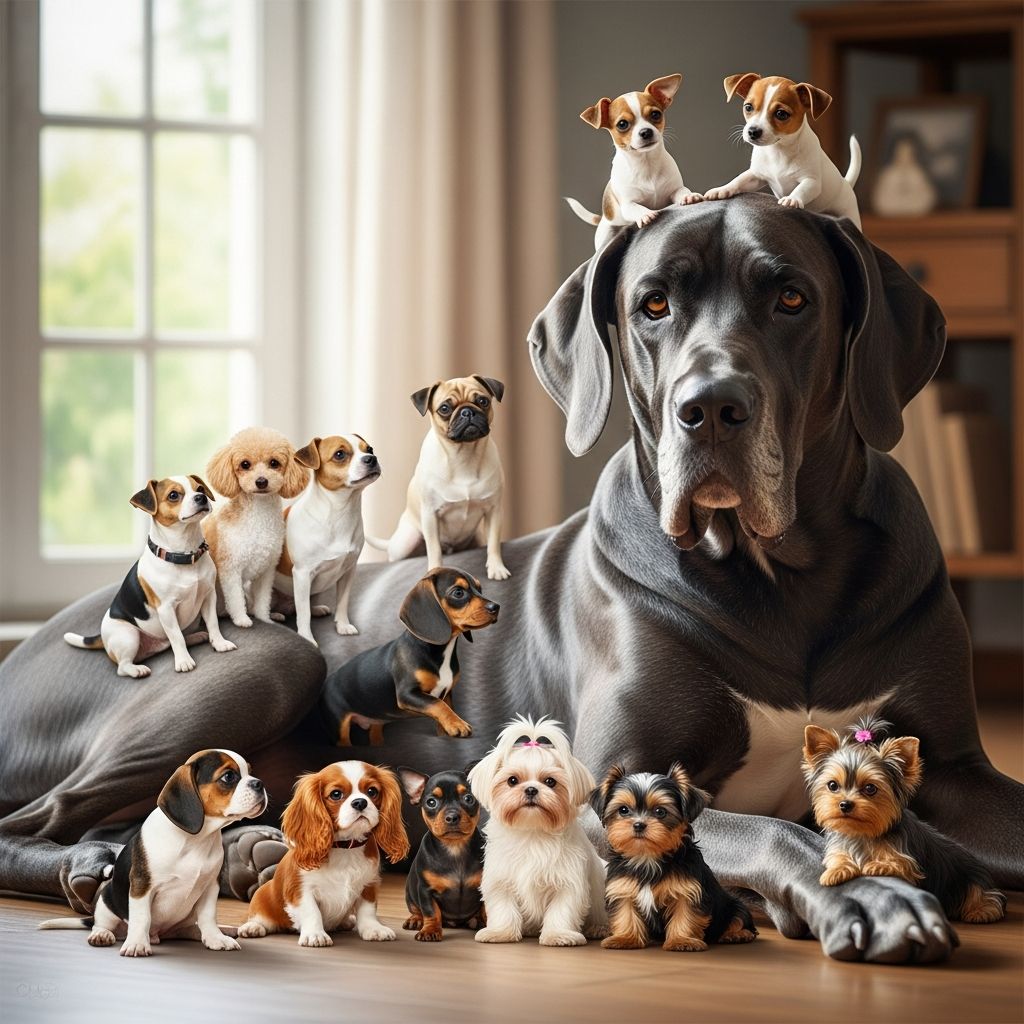
Many dog lovers dream of owning a large dog with a commanding presence, loyalty, and gentle nature. However, not everyone has the space, lifestyle, or living situation to accommodate a full-sized breed. If you fall into this category, the good news is that several small dog breeds possess the temperament, loyalty, and charming personalities typically associated with their larger counterparts. These compact canines offer the best of both worlds: the devotion and character of big dogs packaged in a manageable size perfect for apartments, smaller homes, and busy lifestyles.
The following selection of small dog breeds proves that size doesn’t determine personality or the depth of companionship a dog can provide. Whether you’re seeking a gentle soul, an intelligent companion, or an energetic playmate, these breeds demonstrate that great things truly do come in small packages.
1. Cavalier King Charles Spaniel
The Cavalier King Charles Spaniel is perhaps the quintessential small dog for people who appreciate the gentle, affectionate nature typically found in larger breeds. Weighing between 13 to 18 pounds, these spaniels possess an elegance and grace that belies their modest size. Despite their compact stature, Cavaliers have the heart and temperament of a much larger dog.
These dogs are renowned for their exceptional gentleness and ability to bond deeply with their families. They excel at reading human emotions and seem instinctively aware of when their owners need comfort. Cavaliers get along wonderfully with children, other dogs, and even cats, making them ideal family companions. Their silky coats and expressive eyes add to their charm, and they require moderate exercise and regular grooming to maintain their beautiful appearance. For those who want a dog that’s as loving and loyal as a Golden Retriever but in a smaller package, the Cavalier is an excellent choice.
2. Boston Terrier
Boston Terriers weigh approximately 18 to 25 pounds and are often called “The American Gentleman” due to their distinctive tuxedo-like markings and refined demeanor. Don’t let their formal appearance fool you—these dogs are bundles of joy and entertainment. Boston Terriers possess the playful spirit and people-pleasing nature of much larger breeds, combined with the portability of a small dog.
These intelligent and lively dogs are easy to train and eager to please their owners. They adapt exceptionally well to apartment living and are happy to accompany you on short walks or enjoy indoor playtime with children. Boston Terriers are affectionate with family members and generally friendly with other pets. Their compact size and low grooming requirements make them manageable for first-time dog owners who want a dog with personality that rivals many larger breeds.
3. Pug
Weighing around 15 pounds, Pugs are small but mighty in personality. These charming little dogs can weigh upwards of 20 pounds depending on individual variation, and they make excellent companions for families with varying energy levels. Pugs are known for their laid-back attitude and genuine affection for their humans. They’re content to be lap dogs, enjoying cuddles and television time with their families while still maintaining an amusing, sometimes comical personality.
Pugs are notably non-aggressive and get along well with children, cats, and other dogs. They don’t require extensive exercise—just a couple of short walks daily keeps them content and healthy. Their adaptability to various living situations, combined with their genuine love for human companionship, makes them perfect for people who want a devoted companion without the challenges of managing a large, high-energy dog. Their wrinkled faces and expressive eyes make them irresistible additions to any household.
4. Beagle
Beagles typically weigh between 18 to 30 pounds, placing them in the small to medium category. Despite their modest size, these dogs possess the sturdy, determined nature often associated with larger hound breeds. Beagles were originally bred for hunting, which gives them an impressive work ethic and keen sense of smell that rivals dogs many times their size.
These intelligent and loving dogs adore spending time with their people, playing games, and going for adventures. Beagles are smart and responsive to training when properly motivated, and they make terrific family pets for active households. They thrive on family interaction and require adequate exercise to prevent boredom and destructive behavior. Their pack-dog mentality means they genuinely enjoy being part of a family unit and being included in daily activities. For those who want a dog with the hunting spirit and work ethic of larger breeds in a more manageable size, the Beagle is an ideal choice.
5. Cocker Spaniel
Cocker Spaniels are slightly larger small dogs, typically weighing between 25 to 30 pounds. These beautiful dogs combine the athletic grace and gentle temperament of sporting dogs with a size that remains manageable for most households. Cocker Spaniels are renowned for their loyalty, intelligence, and genuine desire to please their owners.
With their feathered coats and soulful eyes, Cockers are both beautiful and devoted companions. They love participating in family activities and are particularly good with children. These dogs require regular exercise and mental stimulation to keep them happy and prevent behavioral issues. Their eagerness to please makes them relatively easy to train. For dog lovers who appreciate the athletic nature and gentle temperament of larger sporting dogs but prefer a more compact companion, the Cocker Spaniel offers the perfect balance.
6. Miniature or Toy Poodle
Poodles come in various sizes, and the Miniature and Toy varieties offer exceptional intelligence and athletic ability in small packages. Despite their refined appearance and distinctive grooming styles, Poodles are highly intelligent, active, and fun-loving dogs. They possess the trainability and eagerness to please that make larger Poodles such popular family dogs.
These dogs shed little and, with regular grooming, can maintain their elegant appearance. Poodles are known for their silly sense of humor and playful approach to life, retaining their youthful spirit well into adulthood. They thrive on mental stimulation and respond excellently to training. For those who want a smart, athletic dog with the personality of a much larger dog, the Miniature or Toy Poodle provides exceptional companionship in a small, manageable package.
7. Scottish Terrier or West Highland Terrier
Scottish Terriers and West Highland Terriers typically weigh between 15 to 20 pounds, but their personalities suggest a much larger dog. These sturdy little dogs possess the independent spirit, determination, and confidence often associated with large working dogs. Despite their small stature, they have big personalities and distinctive characters that make them memorable companions.
These terriers are alert, loyal, and affectionate with their families while maintaining an independent streak that keeps them interesting. They require regular exercise and mental stimulation to prevent boredom. Their wiry coats require regular grooming to maintain their distinctive appearance. For those who appreciate dogs with significant personality, fearlessness, and distinctive character, these terrier breeds deliver big-dog attitude in small-dog packaging.
8. French Bulldog
French Bulldogs typically weigh between 20 to 28 pounds and have become increasingly popular among apartment dwellers and urban dog lovers. These compact, muscular dogs possess the determination and character of much larger breeds. French Bulldogs are known for their charming personality, stubbornness, and genuine affection for their owners.
These dogs are playful and entertaining, with a humorous approach to life that endears them to their families. They adapt well to various living situations and don’t require extensive exercise, making them suitable for people with varied activity levels. French Bulldogs form strong bonds with their families and are generally good with children and other pets. Their unique personality and compact size make them excellent choices for those seeking a dog with character and charm in a manageable package.
9. Sheltie (Shetland Sheepdog)
Shetland Sheepdogs typically weigh between 15 to 25 pounds and are renowned for their intelligence, loyalty, and eagerness to please. These beautiful, elegant dogs were originally bred as herding dogs, and they retain the intelligence and work ethic of much larger herding breeds. Shelties are exceptionally trainable and respond wonderfully to positive reinforcement.
These dogs are devoted family companions that bond deeply with their owners. They’re playful and energetic, requiring regular exercise and mental stimulation. Shelties excel in obedience training and agility competitions, proving that size doesn’t limit athletic or intellectual capability. For those who want a smart, loyal, athletic dog that’s responsive to training, the Sheltie offers excellent companionship in a smaller, more manageable size.
10. Pembroke Welsh Corgi
Pembroke Welsh Corgis typically weigh between 24 to 30 pounds and possess surprising athleticism for their low-to-ground build. These charming dogs were originally bred to herd cattle, and they retain the intelligence, courage, and confidence of working dogs. Corgis have big personalities housed in compact, sturdy bodies.
These dogs are loyal, affectionate, and playful with their families. They’re intelligent and respond well to training, though they can display a bit of independent thinking. Corgis require regular exercise and mental stimulation to keep them happy and prevent destructive behavior. Their unique appearance, combined with their distinctive personality and working-dog heritage, makes them excellent companions for those seeking a dog with character and presence in a smaller package.
11. Maltese or Havanese
Maltese and Havanese dogs typically weigh between 4 to 13 pounds, representing the smallest end of our list. Despite their diminutive size, these breeds possess surprising courage, loyalty, and affection. Havanese, in particular, are known for their adaptability and genuine desire to be close to their owners.
These small companion dogs are intelligent, responsive to training, and excel at forming bonds with their families. They’re adaptable to various living situations and don’t require extensive exercise, making them suitable for apartments and senior citizens. Their portability and affectionate nature make them excellent lap dogs. For those who want a devoted, intelligent companion that offers loyalty and affection despite their tiny size, these breeds are perfect choices.
Key Considerations When Choosing a Small Dog with Big Personality
Living Space and Environment
One of the primary advantages of choosing a small dog breed is their adaptability to various living situations. Most small breeds excel in apartment living and homes with limited yard space. However, don’t assume that size alone determines a dog’s happiness or suitability for your lifestyle. Many small dogs require significant mental stimulation and daily exercise despite their compact size.
Exercise and Activity Needs
Small dogs often have energy levels comparable to their larger counterparts. Breeds like Beagles, Shelties, and Boston Terriers require regular exercise and mental stimulation to maintain behavioral health. Underestimating a small dog’s exercise needs can lead to destructive behavior and other behavioral problems. Plan accordingly by committing to daily walks, playtime, and mental enrichment activities.
Training and Socialization
Small dogs benefit from the same training and socialization as larger breeds. Early socialization with people, other dogs, and various environments helps ensure that your small dog develops into a confident, well-adjusted companion. Consistent training establishes boundaries and reinforces good behavior regardless of size.
Health Considerations
Small dog breeds can have specific health concerns related to their size and breeding history. Research breed-specific health issues and work with reputable breeders or rescue organizations to find healthy dogs. Regular veterinary care, appropriate nutrition, and preventive health measures are essential for all dogs, regardless of size.
Frequently Asked Questions
Q: Can small dogs live safely with large dogs?
A: Yes, small dogs can live safely with large dogs if both animals are properly socialized and their personalities are compatible. Each situation should be evaluated individually rather than applying blanket rules. The key is introducing them carefully and monitoring their interactions while ensuring the small dog always has a safe space to retreat if needed.
Q: Do small dogs have big personalities?
A: Absolutely. Many small dog breeds possess remarkable personalities that belie their modest size. Terriers, for example, display courage and determination typical of much larger dogs. Personality is not determined by size but by breed characteristics, individual temperament, and socialization.
Q: Are small dogs suitable for families with children?
A: Many small dog breeds are excellent family companions. Breeds like Cavalier King Charles Spaniels, Boston Terriers, and Beagles are known for their gentleness with children. However, supervision is always important, and teaching children to interact respectfully with dogs of any size is essential.
Q: How do small dogs’ heart rates differ from large dogs?
A: Small breed dogs’ hearts beat between 100-140 times per minute, while large breed dogs’ resting heart rates range from 60-100 times per minute. This variation is normal and reflects the higher metabolic rate of smaller dogs.
Q: What grooming requirements do small dog breeds have?
A: Grooming requirements vary by breed. Poodles and Cavalier King Charles Spaniels require regular professional grooming, while Boston Terriers and Pugs need minimal grooming. Research your chosen breed’s specific grooming needs before making a commitment.
Q: Are small dog breeds easier to train than large dogs?
A: Trainability depends on individual breed characteristics and temperament rather than size. Poodles and Shelties are highly trainable regardless of size, while some small terrier breeds can display independent thinking. Consistent, positive training methods work effectively with dogs of all sizes.
References
- The Best Dog Breeds for Families with Young Children — Benton Veterinary. https://www.scacvetstreet.com/site/blog/2022/04/01/dog-breed-young-children
- Cat-Friendly Dog Breeds — Business Insider. October 2018. https://www.businessinsider.com/dogs-that-are-good-with-cats-2018-10
- Can Little Dogs Live Safely With Big Dogs? — Vetstreet, Dr. Marty Becker. November 29, 2012. https://www.vetstreet.com/dr-marty-becker/can-little-dogs-live-safely-with-big-dogs
- Small Dog Basics: Everyday Issues for People With Small Breeds — Vetstreet. https://www.vetstreet.com/our-pet-experts/small-dog-basics-everyday-issues-for-people-with-small-breeds
- 25 Cool Dog Facts — Petfinder. https://www.petfinder.com/dogs-and-puppies/information/dog-facts/facts-about-new-dog/
Similar Articles








Read full bio of Sneha Tete