

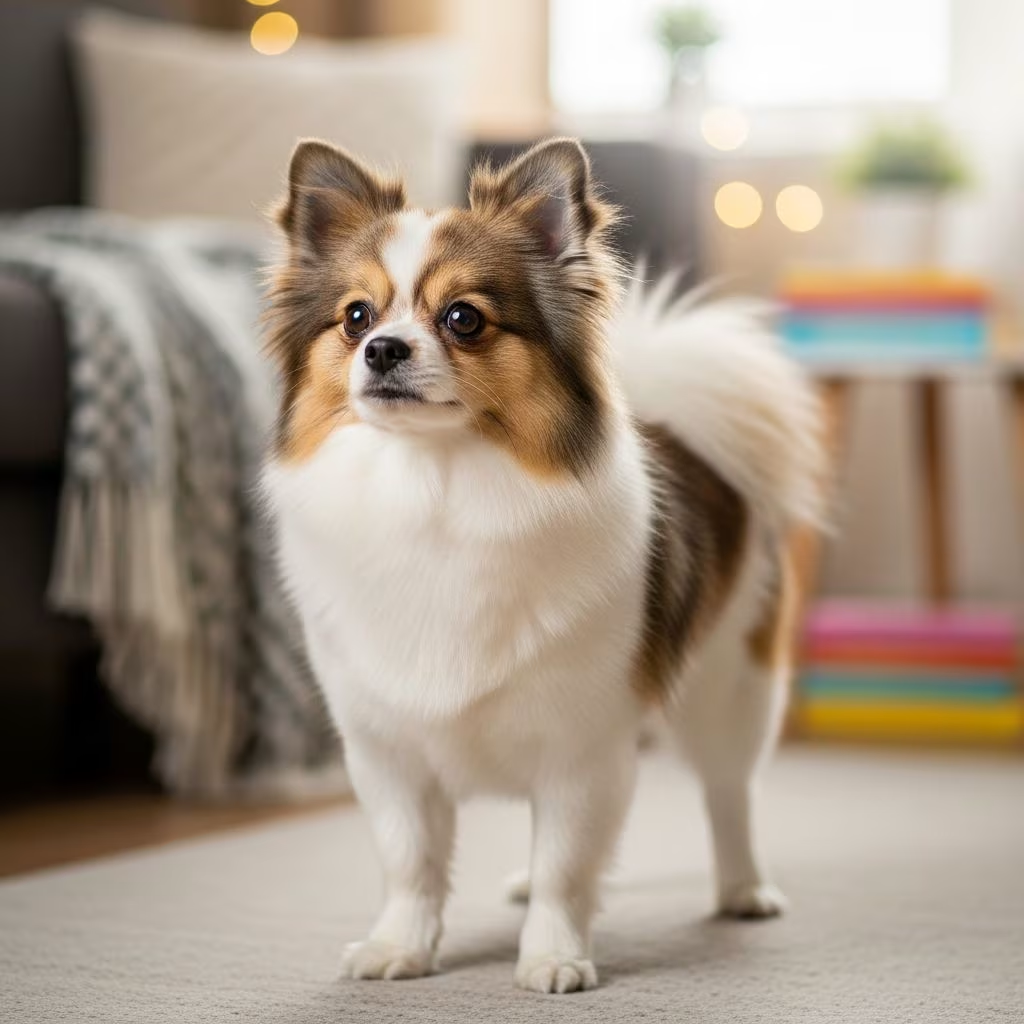
The world of small dog breeds offers remarkable diversity despite their compact size. These diminutive canines possess personalities and characteristics that vary dramatically from breed to breed, challenging the common misconception that small equals simple. Whether you’re a first-time dog owner, living in an apartment, or seeking a portable companion, understanding the nuanced differences among small breeds is essential to finding a match that truly fits your lifestyle and expectations.
Defining Small Dog Breeds: Size and Beyond
Small dog breeds typically weigh under 20 pounds and stand between 6 to 12 inches in height. However, defining these breeds extends beyond mere measurements. Small dogs are characterized by their energetic personalities, keen intelligence, and impressive adaptability. Despite their diminutive stature, many small breeds possess the same protective instincts, loyalty, and playfulness as their larger counterparts, fundamentally challenging the perception that size determines a dog’s character.
Within the small dog category exists a spectrum of sizes. The tiniest breeds, such as Chihuahuas and Pomeranians, weigh between 2 to 7 pounds, while others approach the 20-pound threshold. This size variation within the small breed classification means that care requirements, exercise needs, and handling considerations can differ significantly even among dogs classified as “small.”
Universal Traits Found Across Small Breeds
Though individual variation exists, small dog breeds share several common characteristics that appeal to their enthusiasts:
- Intelligence and Trainability: Most small breeds demonstrate keen intelligence and quick learning capacity. This mental acuity makes them responsive to training but also means they require consistent mental stimulation to prevent behavioral issues from developing.
- Energy Despite Size: Contrary to assumptions about tiny dogs being sedentary lap dogs, many small breeds are surprisingly energetic. Regular daily walks and interactive play sessions are essential for maintaining their physical and mental health.
- Strong Bonding Capacity: Small dogs typically form intense attachments to their owners and thrive on being integrated into family life. They often prefer close proximity to their humans and become genuinely distressed when separated for extended periods.
- Protective Instincts: Breeds like Chihuahuas and Miniature Pinschers are renowned for their disproportionate protective behavior. Their diminutive size doesn’t diminish their willingness to alert their owners to perceived threats, making them effective watchdogs despite limited physical capabilities.
Temperament Spectrum: From Spirited to Gentle
Small dog breeds exhibit a remarkable range of temperaments, and understanding these differences is crucial for matching a breed to an owner’s preferences and living situation.
Spirited and Independent Personalities
Certain small breeds are known for their bold, confident attitudes and independent thinking. Miniature Schnauzers are alert, spirited, and friendly, yet distinctly vocal—excellent alert dogs that may prove problematic in noise-sensitive environments. Yorkshire Terriers, despite their glamorous appearance, possess all the terrier attitude implied by their heritage. These confident dogs don’t recognize their size limitations and require firm, consistent training combined with clear boundaries.
Dachshunds exemplify this spirited category perfectly, possessing intellects as large as their personalities. Originally bred to hunt small game in underground burrows, they maintain their investigative drive and surprising courage. West Highland Terriers showcase similar independence, earning the nickname of having “independence as their middle name.” Pomeranians display boisterous, bright, and bubbly personalities that compensate for their small frame with the attitude of much larger breeds.
Gentle and Family-Oriented Breeds
Other small breeds combine manageable temperaments with remarkable adaptability and family-friendliness. Cocker Spaniels—technically small to medium—are gentle, happy, and eager to please. Shih Tzus are affectionate, friendly lap dogs that thrive in family environments. French Bulldogs possess calm, affectionate dispositions making them excellent companions for both individuals and families.
These gentler breeds typically offer:
- Moderate to low exercise needs satisfiable through regular walks and indoor play
- Relatively quiet dispositions without excessive barking tendencies
- Calm indoor behavior when their exercise requirements are adequately met
- Excellent adaptability to smaller living spaces
Selecting Breeds for Specific Living Situations
Apartment-Friendly Small Dogs
Not all small breeds suit apartment living equally. Certain breeds struggle significantly in confined spaces due to high energy levels, vocal tendencies, and working instincts that create frustration without adequate outlets. Jack Russell Terriers, Miniature Schnauzers, West Highland White Terriers, and Beagles are classified as challenging apartment breeds because they require substantial daily exercise and possess notable barking behaviors.
Conversely, breeds with moderate exercise needs, calm indoor behavior, and quiet dispositions adapt more successfully to apartment environments. Consider breeds known for their relaxed nature and lower activity requirements when apartment living is your circumstance.
Family-Appropriate Considerations
While small size might suggest universal child-friendliness, the reality demands careful consideration. Truly family-appropriate small breeds typically display gentle, patient temperaments that tolerate child interaction well, possess sturdy builds capable of handling supervised normal play, and exhibit friendly, social personalities welcoming family activities.
Conversely, Yorkshire Terriers, Chihuahuas, Italian Greyhounds, and Papillons require careful consideration when children are present. These breeds work best with older children who understand gentle handling, require constant supervision during child-dog interactions, and benefit from training addressing both canine and human participants. Small size should never be confused with child-suitability—fragility demands respect and appropriate management.
Training and Owner Experience Requirements
Small breed ownership isn’t universally simple. Some breeds actively challenge owners through independent thinking, strong personalities, and specialized needs requiring experienced management.
Beginner-Friendly Breeds typically offer friendly, forgiving temperaments tolerating training mistakes, demonstrate eagerness to please making training more straightforward, adapt to different management approaches, and communicate clearly with easily readable body language.
Breeds Better Suited for Experienced Owners include Jack Russell Terriers, Shiba Inus, Miniature Schnauzers, and Dachshunds. These breeds challenge owners through independent thinking requiring skilled, consistent training; strong personalities needing confident leadership; specialized needs or tendencies requiring knowledge and experience; and less forgiveness toward inconsistent training or unclear boundaries.
Popular Small Breed Profiles
| Breed | Weight Range | Key Characteristics | Exercise Needs |
|---|---|---|---|
| Chihuahua | 2-6 pounds | Loyal, protective, confident | Moderate |
| Pomeranian | 3-7 pounds | Playful, intelligent, fluffy | Moderate to High |
| Yorkshire Terrier | 4-7 pounds | Confident, bold, territorial | Moderate |
| Toy Fox Terrier | 4-10 pounds | Spunky, agile, loyal | Moderate |
| Miniature Dachshund | Variable | Playful, curious, stubborn | Moderate |
| Shih Tzu | Variable | Affectionate, friendly, lap dog | Low to Moderate |
| French Bulldog | Variable | Calm, affectionate, friendly | Low to Moderate |
Grooming and Maintenance Across Breeds
Small breed grooming requirements vary dramatically based on coat type. Pomeranians with their thick double coats require regular grooming and daily exercise whether through playtime or short walks. French Bulldogs require minimal grooming and are relatively low maintenance. Shih Tzus possess luxurious coats demanding regular grooming maintenance, though their sweet nature makes the effort worthwhile. Toy Fox Terriers with short coats are generally easy to groom.
Health Considerations for Small Breeds
Small dog breeds may face specific health predispositions that owners should understand. Regular veterinary care, appropriate exercise, and mental stimulation contribute significantly to their overall wellness. Certain breeds prone to dental issues benefit from regular professional cleaning and at-home care. Weight management is particularly crucial, as small breed obesity develops quickly and creates substantial health complications relative to body size.
Selecting Your Ideal Small Dog Companion
Choosing a small breed requires honest assessment of your lifestyle, living situation, experience level, and expectations. Consider whether you prefer an energetic, independent companion or a calm, eager-to-please friend. Evaluate your living space and noise tolerance levels. Assess your willingness to invest in training, grooming, and exercise. Honestly evaluate your comfort with breeds requiring experienced ownership versus those forgiving of novice mistakes.
Small dogs offer remarkable companionship, portability, and personality despite—or perhaps because of—their diminutive stature. Understanding the diverse characteristics, temperaments, and care requirements within the small breed classification enables informed decision-making that results in satisfying, long-term partnerships between owners and their canine companions.
Frequently Asked Questions
How much exercise do small breeds actually need?
Exercise requirements vary significantly among small breeds. While some breeds like French Bulldogs and Shih Tzus need moderate to low activity levels satisfiable through indoor play and short walks, others like Jack Russell Terriers and Miniature Schnauzers require substantial daily exercise. Assess individual breed characteristics rather than assuming all small dogs have similar activity needs.
Are small dogs good for first-time owners?
Some small breeds are excellent for first-time owners, offering friendly, forgiving temperaments and eager-to-please attitudes. However, certain breeds like Jack Russell Terriers and Shiba Inus challenge even experienced owners through independent thinking and strong personalities. Choose breeds matching your experience level rather than assuming size equals simplicity.
Can small breeds live in apartments?
Apartment suitability depends on breed temperament and energy levels rather than size alone. Some small breeds excel in apartments, while others struggle due to high energy, vocal tendencies, and working instincts creating frustration without adequate exercise outlets. Research specific breed characteristics before assuming small size guarantees apartment compatibility.
Are small dogs safe around children?
Small breed compatibility with children depends on temperament and size fragility. While some breeds are genuinely family-appropriate with sturdy builds, others require older children understanding gentle handling. Always supervise child-dog interactions and provide appropriate training for both participants.
What’s the smallest dog breed?
Chihuahuas are widely recognized as the smallest dog breed, weighing between 2 to 6 pounds. Their portability, adorable personalities, loyalty, and protective nature make them immensely popular despite their tiny stature.
References
- The Complete Guide to Small Dog Breeds: Personality, Care, and Finding Your Perfect Match — Wag Bar. Accessed February 2026. https://www.wagbar.com/the-complete-guide-to-small-dog-breeds-personality-care-and-finding-your-perfect-match
- Miniature Dogs: A Complete Guide to Small Dog Breeds — Schnuzzle. Accessed February 2026. https://schnuzzle.com/blogs/news/miniature-dogs-a-complete-guide-to-small-dog-breeds
- Top Health and Personality Traits of 6 Popular Small Dog Breeds — Muenster Pet. Accessed February 2026. https://muensterpet.com/blogs/blog/top-health-and-personality-traits-of-6-popular-small-dog-breeds
- Understanding the Smallest Dog Breed by Weight: A Guide to Tiny Companions — Houndsy. Accessed February 2026. https://www.houndsy.com/blogs/modern-tails/understanding-the-smallest-dog-breed-by-weight-a-guide-to-tiny-companions



