

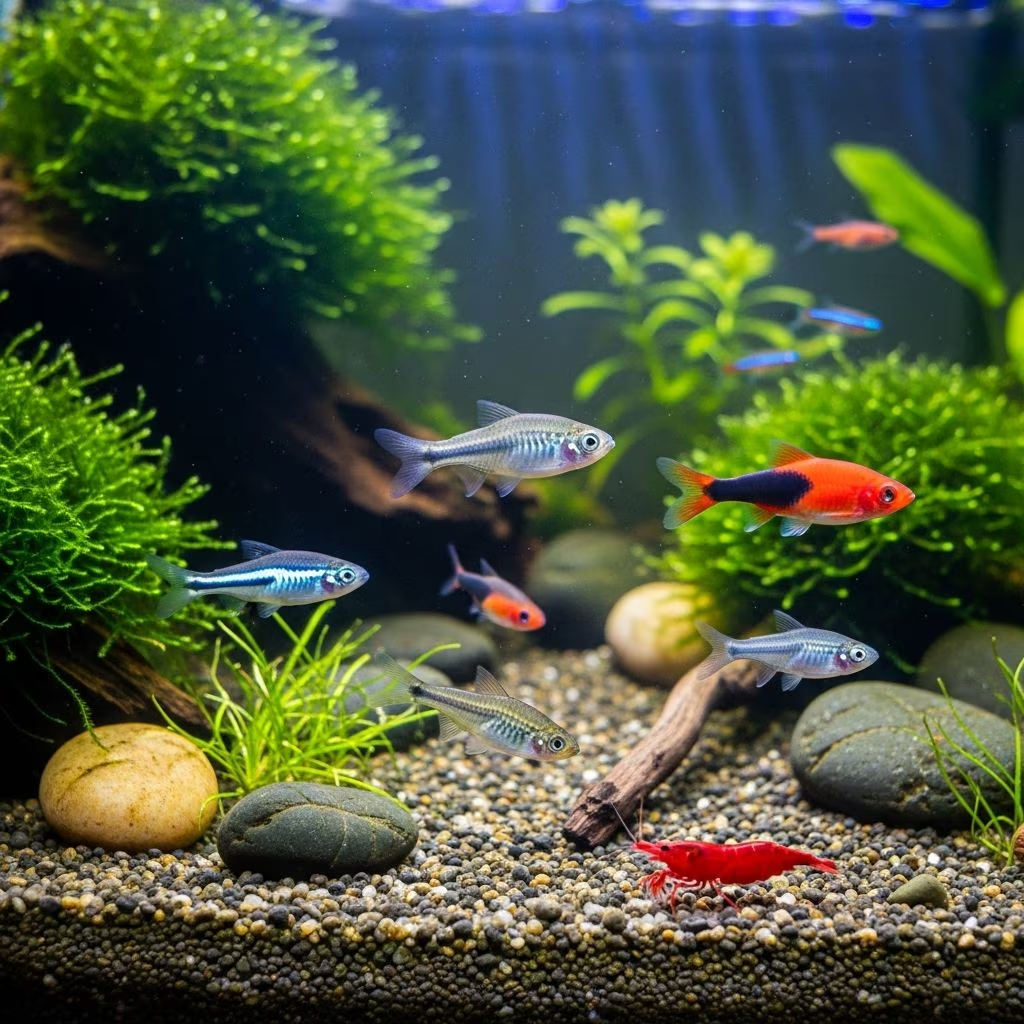
Small Aquarium Fish: The Complete Guide to Nano Tank Species
Small aquariums present a unique opportunity for fish enthusiasts to create vibrant, thriving ecosystems in limited spaces. Whether you\u2019re a beginner or an experienced aquarist, selecting the right small fish species is crucial for maintaining a healthy and visually stunning tank. This comprehensive guide explores the best small aquarium fish species, their specific care requirements, and how to successfully keep them in nano environments.
Small aquarium fish, often referred to as nano fish, are specially adapted species that thrive in compact tanks while displaying remarkable colors, behaviors, and personalities. These fish offer aquarists the flexibility to create beautiful aquascapes without requiring massive tank volumes, making them ideal for apartments, offices, or anyone seeking a low-maintenance aquatic hobby.
Why Choose Small Aquarium Fish?
Small aquarium fish offer numerous advantages that make them increasingly popular among aquarists. These species require less space, reducing the overall cost of setup and maintenance. They consume less food, produce less waste, and often exhibit fascinating behaviours that rival larger species. Additionally, small fish tanks are more manageable in terms of water quality control and can be positioned in various locations throughout your home or office.
The variety available in nano fish species ensures that there\u2019s an option for every preference and experience level. From colorful schooling fish to interactive bottom dwellers, small aquarium fish provide endless possibilities for creative aquascaping and biological diversity.
Top Small Aquarium Fish Species
Pygmy Corydoras: The Tiny Bottom Dwellers
Pygmy Corydoras are exceptional choices for small aquariums, representing some of the tiniest catfish available in the hobby. These social and active fish excel at keeping the bottom of your tank clean by foraging through substrate for leftover food particles. Their hardy nature and adaptability to various water conditions make them perfect for both beginners and experienced aquarists.
Care Requirements:
- Temperature Range: 70-80°F
- pH Level: 6.5-8.0
- Water Hardness: Soft to hard
- Minimum Group Size: 6 or more
- Tank Size: 5-10 gallons minimum for a group
These corydoras are affordable and thrive when kept in groups, displaying natural schooling behaviours and increased activity levels. They require sinking foods to ensure proper nutrition, as they spend most of their time on the tank bottom.
Clown Killifish: The Rocket-Like Swimmers
Clown Killifish are colorful top-dwelling fish that resemble miniature rockets as they dart through the water column. Males display stunning coloration, while females present more subtle hues. These fish are known for their jumping abilities, making a secure, well-fitting aquarium lid essential for safety.
Care Requirements:
- Temperature Range: 68-80°F
- pH Level: 6.5-8.2
- Water Hardness: Almost any hardness tolerated
- Feeding: Small floating foods, baby brine shrimp, frozen Cyclops
- Breeding Difficulty: Relatively easy
Clown Killifish are relatively easy to breed in home aquariums, making them excellent for aquarists interested in reproduction projects. They prefer small floating foods and show active feeding behaviour throughout the day.
Celestial Pearl Danios (Galaxy Rasbora): A Timeless Classic
Celestial Pearl Danios, commonly known as Galaxy Rasboras, are among the most stunning small fish available for nano aquariums. Their intricate patterns and striking colors bring unparalleled elegance to any aquatic environment. These mid-water swimmers are ideal for creating diverse, multi-dimensional nano tank setups.
Care Requirements:
- Temperature Range: 68-78°F
- pH Level: 6.5-8.0
- Water Hardness: Soft to hard
- Minimum Group Size: 6 or more
- Breeding: Relatively easy with proper conditions
These fish thrive in cooler water conditions compared to many tropical species and are relatively straightforward to breed when maintained in groups. Their mid-water swimming habits make them perfect centerpieces for nano aquascapes.
White Cloud Mountain Minnows: The Hardy Beauties
White Cloud Mountain Minnows are often overlooked yet represent some of the best small fish in the hobby. Available in normal, gold, and long-finned varieties, these fish demonstrate remarkable hardiness and can even survive in outdoor ponds during freezing temperatures. Their adaptability to various water conditions makes them perfect for beginners.
Care Requirements:
- Temperature Range: 30-90°F (extremely hardy)
- pH Level: Above 6.5
- Water Hardness: Any hardness
- Minimum Group Size: A pair can spawn if kept alone
- Breeding: Easy, will often spawn naturally
Their exceptional temperature tolerance sets them apart from most tropical species. These fish are easy to breed and will readily produce fry under appropriate conditions, making them educational for aquarists interested in reproduction.
Chili Rasbora: Tiny Fish with Fiery Colors
Chili Rasboras are renowned for their intense red coloration, which becomes increasingly vibrant in well-maintained tanks with optimal water conditions. These tiny fish prefer mid-water areas and thrive in heavily planted setups where they display natural foraging behaviours.
Care Requirements:
- Temperature Range: 72-82°F
- pH Level: 6.5-8.0
- Water Hardness: Soft to moderately hard
- Minimum Group Size: 6 or more
- Breeding Difficulty: Challenging
While these fish are easy to maintain, breeding them successfully presents a significant challenge. Chili Rasboras prefer densely planted environments that provide shelter and natural food sources, enhancing their coloration and overall health.
Fancy Guppies and Endlers: A Rainbow of Options
Guppies and their smaller relatives, Endlers, are excellent choices for small tank enthusiasts. They come in a vast array of colors and patterns, with new variations regularly developed through selective breeding. These fish are incredibly easy to breed and represent perfect starter species for aquarists interested in genetics and selective breeding.
Care Requirements:
- Temperature Range: 72-82°F
- pH Level: 7.0-8.5
- Water Hardness: Moderately hard to very hard with minerals
- Breeding: Extremely easy, constant reproduction
- Group Composition: More females than males recommended
Guppies thrive in hard water with elevated pH levels, making them adaptable to various water conditions. A single pair can produce numerous fry, requiring careful management if population control is desired.
Apistogramma (Dwarf Cichlids): Small But Mighty
If you\u2019re seeking more interactive and rewarding small fish, Apistogramma dwarf cichlids are excellent choices. These fish exhibit fascinating behaviours and complex social structures while remaining small enough for nano aquariums. They reward dedicated aquarists with potential breeding opportunities and engaging interactions.
Care Requirements:
- Temperature Range: 82-85°F (warm water preferred)
- pH Level: 6.5-8.0
- Water Hardness: Soft to moderate
- Minimum Tank Size: 10-15 gallons for a pair
- Feeding: Quality pellets, live/frozen foods
Apistogramma require specific water conditions, particularly soft, warm water, but reward keepers with complex behaviours, territorial displays, and successful breeding experiences. Their personalities make them far more interactive than many other small fish species.
Additional Small Aquarium Fish Options
Tetras for Nano Tanks
Tetras represent popular choices for small aquariums, with Neon Tetras being among the most iconic freshwater fish. These schooling fish should be kept in groups of at least six, though larger groups display better coloration and reduced aggression. Their small size and vibrant colors make them visually striking additions to nano setups.
Otocinclus Catfish (Otto Fish)
Otocinclus catfish, commonly called Otto fish, grow to only two inches and excel at controlling algae growth on tank glass and decorations. These schooling fish prefer groups of six or more and are perfect for aquarists seeking functional algae control in small spaces.
Zebra Danios
Zebra Danios are popular beginner choices known for their active swimming patterns and striking appearance. These small minnows swim rapidly and almost constantly, providing dynamic movement throughout the tank. They\u2019re available in various types at most aquarium retailers.
Water Parameters and Tank Setup for Small Fish
| Fish Species | Temperature (°F) | pH Range | Water Hardness | Minimum Group Size |
|---|---|---|---|---|
| Pygmy Corydoras | 70-80 | 6.5-8.0 | Soft to Hard | 6+ |
| Clown Killifish | 68-80 | 6.5-8.2 | Any | 3-5 |
| Celestial Pearl Danio | 68-78 | 6.5-8.0 | Soft to Hard | 6+ |
| White Cloud Minnow | 30-90 | 6.5+ | Any | Pair+ |
| Chili Rasbora | 72-82 | 6.5-8.0 | Soft to Moderate | 6+ |
| Fancy Guppies | 72-82 | 7.0-8.5 | Moderate to Very Hard | 1M + 2-3F |
| Apistogramma | 82-85 | 6.5-8.0 | Soft to Moderate | Pair |
Essential Setup Considerations
Tank Size and Dimensions
Small aquariums typically range from 5 to 20 gallons, with 10-gallon tanks offering optimal balance between manageability and biological stability. Ensure your tank has appropriate dimensions rather than just volume; longer, wider tanks provide better swimming space than tall, narrow configurations.
Filtration and Water Quality
Proper filtration is critical in small tanks where bioload accumulates quickly. Use gentle filters that won\u2019t create excessive current, as many small fish prefer calm water environments. Regular water changes (20-30% weekly) maintain stable water parameters essential for nano fish health.
Heating and Temperature Stability
Small aquariums fluctuate in temperature rapidly. Invest in reliable heaters and thermometers to maintain stable conditions. Most tropical small fish require temperatures between 72-78°F for optimal health and coloration.
Substrate and Décor
Choose fine-grained substrate for bottom-dwelling species like Corydoras. Include plants (live or artificial), caves, and hiding spaces to reduce stress and encourage natural behaviours. Heavily planted tanks benefit species like Chili Rasboras and Apistogramma.
Breeding Small Aquarium Fish
Many small fish species breed readily in home aquariums, offering fascinating educational opportunities. Guppies, White Cloud Minnows, and Clown Killifish breed relatively easily, while Apistogramma and Chili Rasboras present greater challenges but reward dedicated keepers with successful reproduction.
Successful breeding typically requires optimal water conditions, proper sex ratios, appropriate diet (often requiring live or frozen foods), and sufficient space for fry development. Research specific species requirements before attempting breeding projects.
Feeding Small Aquarium Fish
Quality nutrition is fundamental to maintaining vibrant coloration and excellent health in small fish. Provide high-quality flake foods, micro pellets, and supplement with live or frozen foods such as baby brine shrimp, Daphnia, and Cyclops. Bottom-dwelling species require sinking tablets or pellets to ensure adequate nutrition.
Feed small portions multiple times daily, removing uneaten food within minutes. Overfeeding causes water quality deterioration, particularly problematic in small tanks with limited biological capacity.
Compatible Tank Mates
Creating peaceful community tanks requires careful species selection. Generally compatible combinations include bottom dwellers (Corydoras, Otocinclus) with mid-water swimmers (Tetras, Rasboras) and top swimmers (Killifish, Guppies). Avoid aggressive species and monitor behaviour during initial introductions.
Never exceed recommended stocking levels. A common guideline suggests one inch of fish per gallon, though small species typically require less space than this rule suggests. Research specific compatibility before combining species.
Common Mistakes to Avoid
Overstocking is the primary cause of failure in small aquariums. Resist the temptation to add too many fish, even when space appears available. Additionally, avoid frequent water parameter changes, maintain consistent feeding schedules, and resist adding medications or treatments without confirming necessity.
Inadequate research before purchasing fish leads to incompatible combinations and unsuitable care conditions. Always research species requirements thoroughly before acquiring new fish for your nano aquarium.
Frequently Asked Questions
Q: What is the minimum tank size for small aquarium fish?
A: Most small fish species thrive in 5-10 gallon tanks, though 10+ gallons provide better stability. Always verify specific species requirements, as some larger small fish need 15+ gallons.
Q: Can I keep small fish in unheated tanks?
A: Most tropical small fish require heating to maintain 72-78°F. White Cloud Mountain Minnows tolerate cooler temperatures but appreciate consistent conditions. Always research your specific species’ temperature requirements.
Q: How often should I change water in small aquariums?
A: Weekly 20-30% water changes maintain healthy parameters in small tanks. Some heavily planted systems with lower bioload can extend intervals to 10-14 days, but weekly changes provide safer margins.
Q: Are small fish appropriate for beginners?
A: Yes, many small fish species are excellent for beginners. Guppies, White Cloud Minnows, and Danios are particularly forgiving. However, small tank volume requires diligent maintenance compared to larger systems.
Q: How can I prevent algae in small tanks?
A: Combine proper lighting schedules (8-10 hours daily), regular water changes, manual removal, and algae-eating fish like Otocinclus. Avoid overfeeding, which contributes to algae growth through excess nutrients.
Q: What live foods are best for breeding small fish?
A: Newly hatched brine shrimp, Microworms, and Infusoria provide excellent nutrition for fry. Daphnia and Cyclops serve well for juvenile to adult small fish. Cultured live foods ensure reliable availability.
Q: Can I combine different small fish species?
A: Yes, with careful planning. Combine peaceful species occupying different tank levels—bottom dwellers, mid-water swimmers, and top dwellers. Research compatibility thoroughly and introduce species gradually while monitoring behaviour.
References
- The Best Small Fish for Your Aquarium: A Guide to Stunning Nano Fish — Aquarium Coop. 2024. https://www.aquariumcoop.com/blogs/aquarium/the-best-small-fish-for-your-aquarium-a-guide-to-stunning-nano-fish
- Best Beginner Fish by Tank Size — Aqueon. 2024. https://www.aqueon.com/articles/best-beginner-fish-by-tank-size
- How to Look After Your Tropical Fish — Aquacadabra. 2024. https://aquacadabra.com/blogs/news/how-to-look-after-your-tropical-fish



