

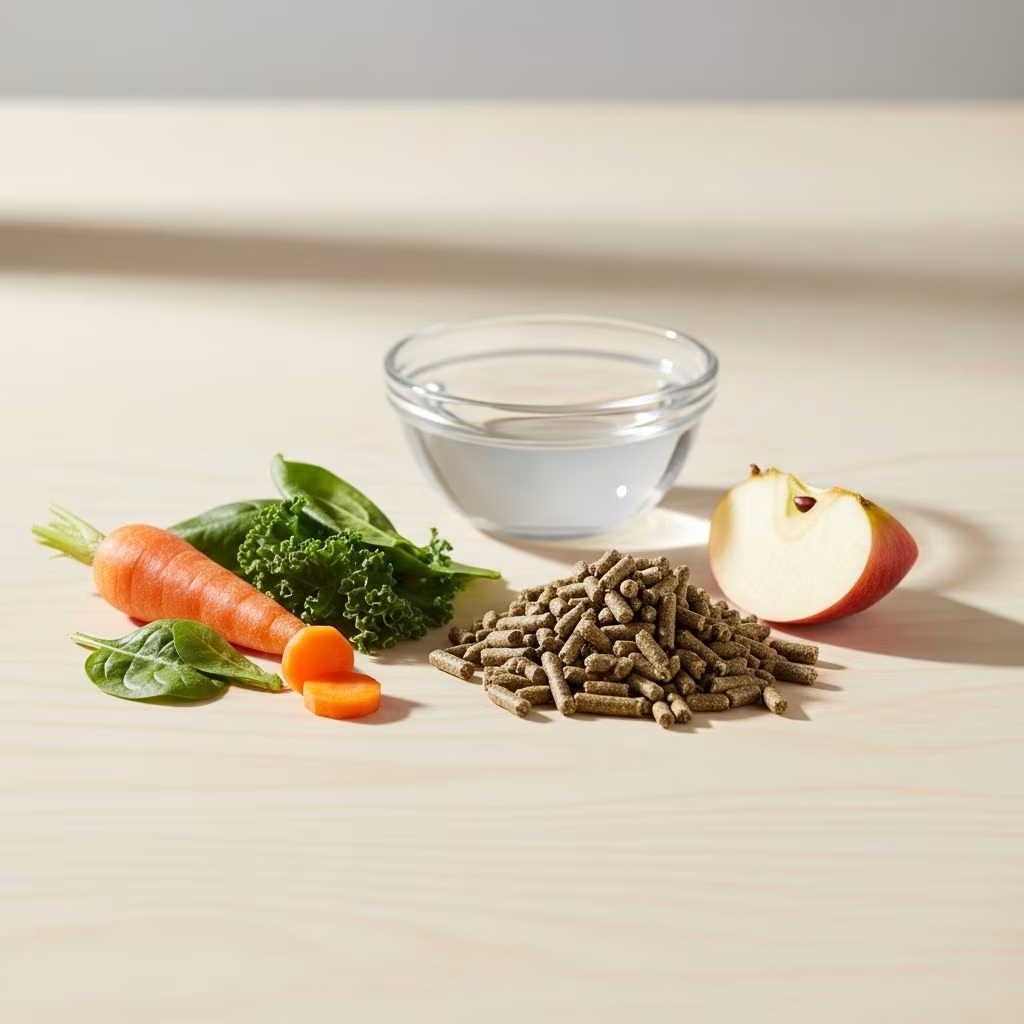
Proper nutrition forms the foundation of health for small animals such as dogs, cats, rabbits, and rodents. Delivering the right balance of nutrients supports growth, reproduction, maintenance, and disease prevention. This guide delves into the core components of pet diets, drawing from established veterinary principles to help owners make informed choices.
Why Nutrition Matters for Pets
Nutrition directly influences an animal’s vitality, immune function, and longevity. Deficiencies or imbalances can lead to issues like obesity, skeletal disorders, or organ failure. For instance, complete and balanced diets are vital for specific life stages, ensuring pets receive tailored support.
Owners must consider factors like age, breed, activity level, and health status when selecting food. Commercial products formulated to meet standards from bodies like AAFCO provide reliable options, but understanding basics empowers customization where needed.
The Six Key Nutrient Classes
Small animal diets revolve around six primary nutrient groups: water, proteins, fats, carbohydrates, vitamins, and minerals. Each plays distinct roles in metabolism and bodily functions.
Water: The Overlooked Essential
Water is the most critical nutrient, comprising 60-70% of body weight in pets. It facilitates digestion, temperature regulation, and nutrient transport. Dehydration can occur rapidly, especially in cats, which drink less voluntarily. Provide constant access to clean, fresh water from multiple sources to boost intake.
- Daily needs: Dogs require about 50-60 mL/kg body weight; cats need 40-60 mL/kg.
- Tips: Use fountains for cats; monitor intake during illness or hot weather.
Proteins: Building Blocks of Life
Proteins supply amino acids for tissue repair, enzyme production, and hormone synthesis. Essential amino acids like taurine (crucial for cats) cannot be synthesized by the body and must come from diet.
Growing puppies need at least 22.5% protein (dry matter basis) or 56.3 g/1000 kcal ME per AAFCO; adult dogs require 18%. Kittens demand 30% or 75 g/1000 kcal ME, adults 26%. High-quality sources include meat, fish, and eggs.
| Life Stage | Dogs (g protein/1000 kcal ME) | Cats (g protein/1000 kcal ME) |
|---|---|---|
| Growing/Pregnant | 45-56 (NRC/AAFCO) | 45-75 (NRC/AAFCO) |
| Adult Maintenance | 20-45 | 40-65 |
Fats: Energy and More
Fats deliver concentrated energy (2.25x carbohydrates/proteins) and essential fatty acids like omega-3 (DHA, EPA) and omega-6 for skin, coat, and inflammation control. Sources: fish oil, flaxseed, soybean oil.
Large-breed puppies benefit from controlled fat to prevent joint issues. DHA supports neurological development.
Carbohydrates: Energy with Benefits
Often undervalued, carbohydrates provide quick energy and fiber for gut health. They become conditionally essential during high-demand periods like lactation.
Fiber ferments into short-chain fatty acids (SCFAs) like butyrate, fueling colon cells (70% of energy needs) and promoting beneficial bacteria. Soluble fibers (inulin) vs. insoluble (cellulose) affect digestibility.
- Fermentable fibers: Beet pulp, psyllium.
- Benefits: Aid weight management, stool quality.
Vitamins: Regulators of Metabolism
Vitamins are organic compounds needed in trace amounts for metabolic processes. Fat-soluble (A, D, E, K) store in tissues; water-soluble (B-complex, C) require regular intake.
Synthetic forms are common in feeds. Cats need preformed vitamin A; dogs synthesize some B vitamins via gut microbes.
Minerals: Structural and Functional Roles
Macrominerals (Ca, P, Na, K, Mg) are needed in grams; trace minerals (Fe, Zn, Cu, I, Se) in milligrams/micrograms.
Calcium:phosphorus ratio is key (1:1 to 2:1 for dogs/cats). Imbalances cause bone issues. Active vitamin D regulates absorption.
| Mineral | Function | Sources |
|---|---|---|
| Calcium | Bone health | Bone meal, dairy |
| Phosphorus | Energy metabolism | Meat, grains |
| Zinc | Immune support | Meat, supplements |
Types of Pet Foods and Feeding Strategies
Pet foods vary by moisture: dry (3-11% water), semi-moist (25-35%), canned (60-87%). Dry kibble suits convenience; wet food aids hydration.
Ingredients: Grains (corn, wheat), proteins (chicken, fish), byproducts (beet pulp).
- Complete & Balanced: Meets all needs per life stage.
- Palatability: Ensures consumption.
Group feeding risks under/overfeeding; measure portions on dry matter basis.
Life Stage Nutrition Needs
Growth Phase
Puppies/kittens need higher protein, energy, DHA for brain/eye development. Frequent small meals.
Adult Maintenance
Balanced calories prevent obesity. Activity-matched portions.
Senior and Special Needs
Reduced calories, joint support (glucosamine), kidney-friendly (low phosphorus).
Common Nutrition Pitfalls and Solutions
Avoid table scraps; they imbalance diets. Transition foods gradually over 7-10 days.
- Obesity: Most common issue; calculate kcal needs: RER = 70 x (BW_kg)^0.75.
- Allergies: Novel proteins help.
Formulating Balanced Homemade Diets
Use “cut and fit” method: Base with protein/fiber, add minerals/vitamins, fill with energy. Consult vets/nutritionists; supplements ensure balance.
FAQs
Can cats thrive on vegan diets?
No, taurine deficiency risks heart disease. Carnivorous needs require animal proteins.
How much should I feed my dog?
Base on weight, activity: e.g., 2-3% BW daily, adjusted for treats.
Is raw feeding safe?
Risks bacterial contamination; balance challenging without expertise.
What fiber is best for constipation?
Psyllium or beet pulp for bulk/moisture.
Do puppies need milk?
Weaning formula initially; lactose intolerance common later.
References
- Nutrition: Basics – Veterinary Preventive Medicine — University of Minnesota. 2023. https://pressbooks.umn.edu/vetprevmed/chapter/chapter-10-nutrition-basics/
- Nutritional Requirements of Small Animals — MSD Veterinary Manual. 2024. https://www.msdvetmanual.com/management-and-nutrition/nutrition-small-animals/nutritional-requirements-of-small-animals
- Nutritional Reference Manual — TC Vet. 2022. https://www.tcvet.net/sites/site-3731/documents/pet-nutrition-ref-manual-secured.pdf
- Small Animal Nutrition 101 — Tomlinson’s Feed. 2023. https://tomlinsons.com/blogs/articles/small-animal-nutrition-101
- Overview of Nutrition: Small Animals — Merck Veterinary Manual. 2024. https://www.merckvetmanual.com/management-and-nutrition/nutrition-small-animals/overview-of-nutrition-small-animals



