

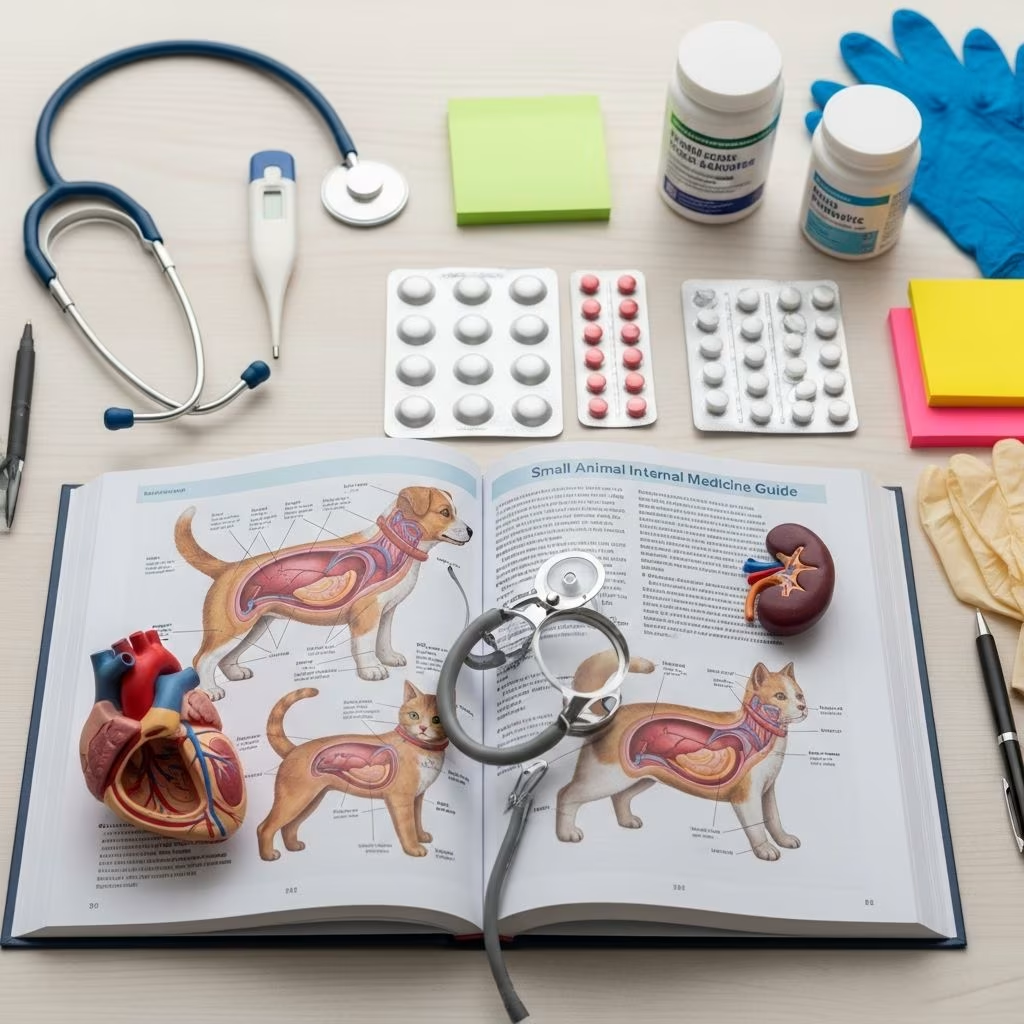
Small animal internal medicine focuses on diagnosing and managing non-surgical conditions affecting dogs and cats’ internal systems. These specialists play a crucial role in handling complex, chronic, and acute illnesses that general practitioners may refer for advanced care.
Pathway to Becoming a Specialist
Aspiring small animal internal medicine experts begin with a veterinary degree, followed by rigorous postgraduate training. This starts with a one-year rotating internship, building on foundational skills from veterinary school through diverse case exposure.
The core of specialization is a three-year residency in small animal internal medicine. Residents engage in intensive clinical practice, mastering diagnostics, treatments, and procedures under supervision. This phase hones skills in patient evaluation, therapy planning, and multidisciplinary collaboration.
Certification requires passing comprehensive exams administered by the American College of Veterinary Internal Medicine (ACVIM). Successful candidates earn Diplomate status, signifying expertise. Ongoing requirements include continuing education, research publication, and adherence to college standards to maintain certification.
- Internship: 1 year of broad clinical rotations.
- Residency: 3 years focused on internal medicine cases.
- Exams: Rigorous testing on all subdisciplines.
- Research: Peer-reviewed publication mandatory.
Core Areas of Focus
Internal medicine spans multiple organ systems, addressing diseases that impact pets’ quality of life. Specialists tackle conditions from hormonal imbalances to infectious outbreaks, often integrating nutrition, pharmacology, and minimally invasive techniques.
| System | Common Conditions | Diagnostic Approaches |
|---|---|---|
| Gastrointestinal | IBD, pancreatitis, megaesophagus | Endoscopy, ultrasound |
| Endocrine | Diabetes, hyperthyroidism, Addison’s | Blood tests, stimulation trials |
| Renal/Urology | CKD, stones, incontinence | Cystoscopy, biopsies |
| Respiratory | Asthma, pneumonia, nasal disease | Rhinoscopy, CT imaging |
| Hematology/Immunology | Anemia, clotting issues, immune-mediated | Bone marrow aspirates, flow cytometry |
Gastroenterology covers esophageal disorders, inflammatory conditions, and pancreatic issues. Patients may present with vomiting, diarrhea, or weight loss unresponsive to basic treatments.
Advanced Diagnostic Tools and Techniques
Specialists leverage cutting-edge technology for precise diagnosis. Endoscopy allows visualization of the GI tract, airways, and urinary system without major surgery. Ultrasound-guided procedures like cystocentesis and fine-needle aspirates are routine.
- Endoscopic Procedures: Gastroduodenoscopy, colonoscopy, bronchoscopy for direct biopsy and sampling.
- Imaging: Advanced ultrasound, fluoroscopy for dynamic assessments.
- Interventional: Balloon dilation for strictures, I-131 for hyperthyroidism.
- Laparoscopy: Minimally invasive exploration of abdominal cavities.
These methods minimize risks while maximizing information, enabling tailored treatment plans. For instance, cystoscopy aids in ectopic ureter identification, often resolving incontinence.
Treatment Strategies and Management
Therapy emphasizes medical management, including customized diets, medications, and supportive care. Specialists adjust protocols based on response, monitoring via serial diagnostics.
For endocrine diseases like diabetes mellitus, insulin regimens are fine-tuned with glucose curves. Infectious cases, such as leptospirosis or FIV, require targeted antimicrobials and supportive therapies.
Collaboration with surgeons occurs when procedures like stent placement are needed, but primary focus remains non-surgical. Pain management and anesthesia monitoring are integral during interventions.
Contributions to Veterinary Science
Beyond clinics, specialists drive progress through research and education. They lead clinical trials for novel therapies, publish findings, and present at conferences, disseminating knowledge to practitioners.
Residency programs at universities like Colorado State and Ohio State train future experts, fostering innovation in areas like nephrology and infectious diseases.
Consulting with primary vets ensures cutting-edge care reaches community practices, elevating overall standards.
When to Seek a Specialist
Referrals occur for unresolved issues: persistent vomiting, unexplained weight loss, polyuria, coughing, or abnormal bloodwork. Early specialist involvement can prevent progression of chronic diseases like CKD or liver failure.
- Chronic diarrhea or vomiting despite treatment.
- Endocrine signs: increased thirst, hair loss.
- Respiratory distress or nasal discharge.
- Renal parameters elevating on routine screens.
- Fever of unknown origin or lethargy.
Role of Veterinary Teams
Internal medicine services involve technicians skilled in specialized nursing, from fluid therapy to endoscopy assistance. In teaching hospitals, students and interns contribute under supervision, enhancing comprehensive care.
FAQs
What conditions do small animal internal medicine specialists treat?
They manage diseases of the GI tract, liver, kidneys, endocrine glands, respiratory system, and immune disorders in dogs and cats.
How long does training take?
Typically 4 years post-veterinary school: 1-year internship plus 3-year residency, followed by exams.
Do they perform surgery?
No, they focus on medical management but collaborate with surgeons for necessary interventions.
Is I-131 therapy safe?
Yes, it’s a targeted treatment for feline hyperthyroidism, administered by certified specialists.
Can my pet see a specialist without referral?
Many clinics accept direct appointments, though referrals streamline care.
Future Directions in the Field
Emerging trends include regenerative medicine, advanced immunomodulators, and AI-assisted diagnostics. Specialists are pivotal in adapting these to companion animals, improving outcomes for complex cases.
References
- Small Animal Internal Medicine – VetSpecialists.com — VetSpecialists. Accessed 2026. https://www.vetspecialists.com/specialties/small-animal-internal-medicine
- What Is Small Animal Internal Medicine? — Marqueen Veterinary. Accessed 2026. https://marqueenveterinary.com/what-is-small-animal-internal-medicine/
- Small Animal Internal Medicine – Veterinary Teaching Hospital — Colorado State University College of Veterinary Medicine & Biomedical Sciences. Accessed 2026. https://vetmedbiosci.colostate.edu/vth/services/small-animal-internal-medicine/
- Small Animal Internal Medicine – AIMVT — Academy of Internal Medicine for Veterinary Technicians. Accessed 2026. https://www.aimvt.com/small-animal-internal-medicine.html
- Small Animal Internal Medicine Residency — The Ohio State University College of Veterinary Medicine. Accessed 2026. https://vet.osu.edu/education/programs/residencies/small-animal-internal-medicine-residency



