

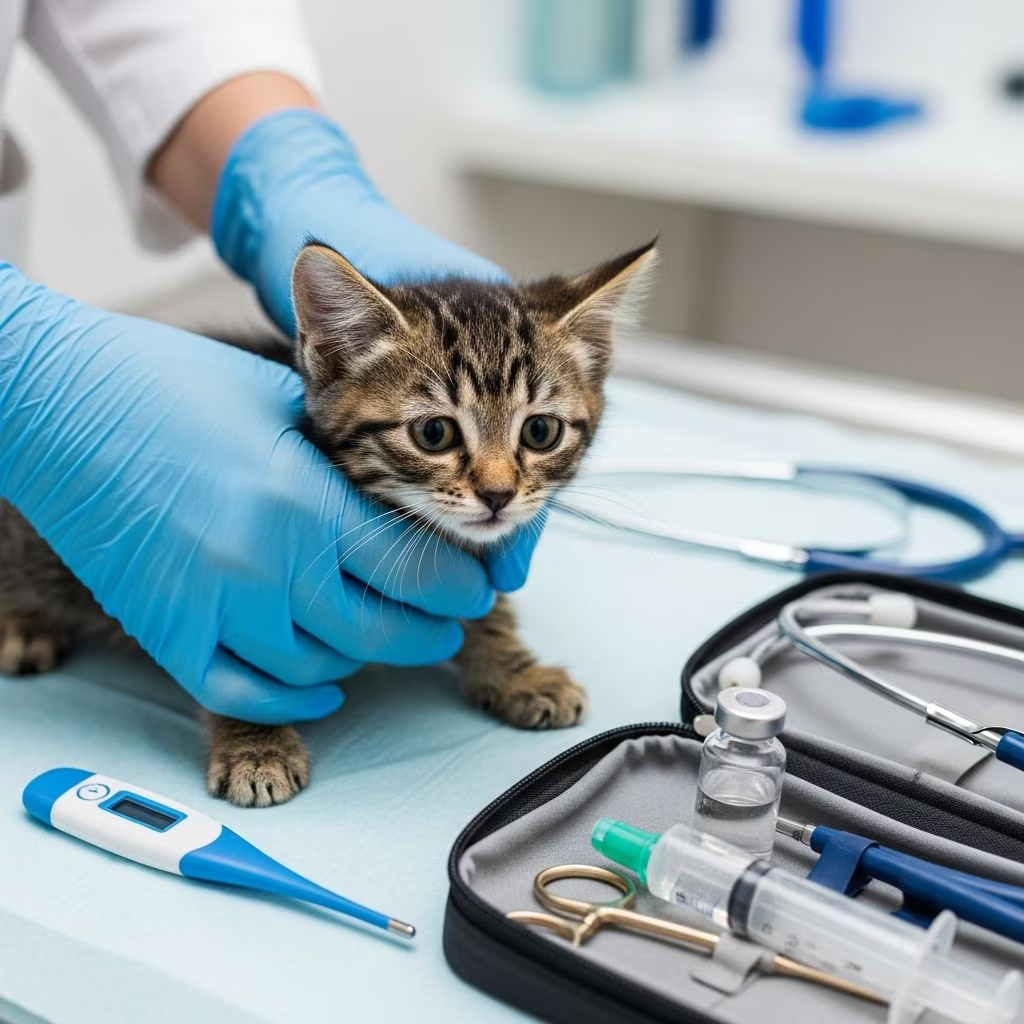
In the fast-paced world of veterinary emergency care, the initial moments after a pet arrives can determine its survival. Triage serves as the cornerstone of this process, enabling veterinary teams to quickly evaluate and prioritize patients based on the severity of their conditions. This article delves into the fundamental principles of triage and resuscitation for small animals, offering practical insights for veterinarians, technicians, and pet owners alike.
Understanding the Core of Veterinary Triage
Triage in veterinary medicine involves a rapid evaluation to sort patients by urgency, ensuring that those in immediate peril receive attention first. This systematic method draws from human emergency protocols but adapts to the unique needs of dogs, cats, and other small animals. The goal is to identify life-threatening issues swiftly while gathering essential history from owners.
Upon arrival, staff conduct a brief but thorough check focusing on key indicators. This includes observing the animal’s demeanor, collecting owner-reported symptoms, and measuring baseline vitals. Such assessments help categorize cases into priority levels, preventing delays for critical patients amid busy caseloads.
- Visual Inspection: Look for obvious distress like labored breathing, pale gums, or collapse.
- Owner History: Note onset of symptoms, recent changes, and medical background.
- Quick Vitals: Heart rate, respiratory effort, temperature, and mucous membrane color.
Key Components of the Initial Assessment
The triage process begins within seconds of arrival, ideally under 90 seconds for optimal efficiency. Trained technicians or veterinarians perform this using a standardized approach to avoid oversight. Primary focus areas include airway, breathing, circulation, disability, and exposure—often abbreviated as ABCDE.
| Parameter | Normal Range (Dogs) | Normal Range (Cats) | Critical Abnormalities |
|---|---|---|---|
| Heart Rate | 60-160 bpm | 140-220 bpm | <200 bpm (bradycardia) or>180 bpm (tachycardia with weak pulses) |
| Respiratory Rate | 10-30 breaths/min | 20-40 breaths/min | >60 breaths/min or increased effort |
| Temperature | 99-102.5°F | 100-102.5°F | <94°F (hypothermia) or >104°F (hyperthermia) |
| Mucous Membranes | Pink, moist | Pink, moist | Pale, blue, or tacky |
| Capillary Refill Time | 1-2 seconds | 1-2 seconds | >2 seconds (poor perfusion) |
These metrics guide immediate decisions. For instance, abnormal breathing prompts oxygen support, while poor perfusion signals fluid resuscitation needs.
Prioritizing Patients: Triage Categories Explained
Veterinary facilities often employ a color-coded or numbered system to classify urgency. Red or Level 1 denotes imminent threats to life, demanding instant intervention. Orange or Level 2 indicates urgent needs with potential short waits, while yellow and green represent stable cases.
- Level 1 (Critical): Respiratory arrest, cardiac instability, severe trauma, or unresponsive states. Act immediately with CPR or advanced support.
- Level 2 (Urgent): Significant vomiting, fractures, or bleeding that could worsen rapidly.
- Level 3 (Stable): Minor wounds, chronic flares, or infections not immediately life-threatening.
- Level 4 (Routine): Non-emergent issues like parasite concerns or mild lameness.
Reassessment occurs continuously, as conditions can shift quickly. This dynamic process ensures resources align with evolving needs.
Stabilization Techniques for High-Priority Cases
Once triaged, critical patients enter resuscitation protocols. Oxygen therapy tops the list for respiratory compromise, delivered via flow-by, masks, or cages to minimize stress. For circulatory shock, intravenous fluids restore volume—crystalloids like lactated Ringer’s at 20-90 ml/kg bolus rates, monitored closely to avoid overload.
Neurological emergencies, such as seizures, require anticonvulsants like diazepam after stabilizing glucose levels. Trauma victims benefit from pain control and hemorrhage management, often using direct pressure or tourniquets judiciously.
- Secure airway and provide oxygen if saturation <94%.
- Establish IV access for fluids and medications.
- Address pain and monitor for secondary complications.
- Prepare for diagnostics like radiographs once stable.
Role of Telephone Triage in Preparation
Pre-arrival phone assessments set the stage for efficient in-clinic triage. Staff inquire about symptom duration, changes en route, and vital details to pre-categorize. Logs of these calls serve as legal records, aiding continuity of care.
This step reduces surprises, allowing teams to ready equipment—like oxygen setups or crash carts—for incoming cases. Owners receive guidance on safe transport, such as keeping pets warm or avoiding feeding.
Team Coordination in Emergency Response
Effective triage demands a cohesive team. A dedicated triage technician handles initial evaluations, escalating to veterinarians as needed. Protocols standardize responses, fostering confidence and speed.
Training emphasizes recognizing subtle signs, like subtle lethargy signaling hypovolemia. Regular drills simulate high-volume scenarios, honing re-triage skills amid fluctuating priorities.
Common Pitfalls and How to Avoid Them
Overlooking subtle changes or underestimating trauma can prove fatal. Always treat hit-by-car cases as Level 1 due to hidden injuries like diaphragmatic hernias. Owner bias toward downplaying symptoms requires objective vital checks to override.
Resource limitations in smaller clinics necessitate stabilization for referral. Ensure patents IV lines, stable vitals, and owner instructions for transit.
Post-Triage Care Pathways
After initial stabilization, patients proceed to full exams, diagnostics, and tailored treatments. Communication with owners updates on plans, costs, and prognoses, building trust.
For stable cases, exam rooms allow monitoring while awaiting veterinary review. This phased approach optimizes outcomes without compromising urgency.
Frequently Asked Questions (FAQs)
What should I do if my pet shows emergency signs at home?
Call your vet immediately for guidance. Keep the pet calm, warm, and transport safely without forcing food or water.
How long does triage typically take?
Under 90 seconds for initial assessment, with immediate action for critical cases.
Can my pet’s breed affect triage priority?
Yes, brachycephalic breeds may escalate faster in respiratory distress.
What if my pet was fine earlier but worsened?
Report changes promptly; rapid deterioration often signals high urgency.
Is oxygen always needed in emergencies?
No, but it’s first-line for breathing issues to boost saturation safely.
Advancing Veterinary Emergency Protocols
Ongoing education refines triage accuracy. Integrating point-of-care ultrasound enhances detection of effusions or cardiac issues. Evidence-based updates ensure protocols evolve with research, improving survival rates.
Pet owners play a vital role by recognizing early warnings like persistent vomiting or collapse, seeking prompt care. Collaborative efforts between clinics and emergency centers streamline referrals, enhancing overall efficacy.
References
- Basic triage in dogs and cats: Part I — PMC/NCBI. 2023-12-01. https://pmc.ncbi.nlm.nih.gov/articles/PMC10783570/
- Understanding Emergency Veterinary Triage — Partner Veterinary Emergency & Specialty. 2025-09-18. https://partnervesc.com/2025/09/18/understanding-emergency-veterinary-triage/
- Triage at the Emergency Vet — BluePearl Pet Hospital. 2024-01-15. https://bluepearlvet.com/pet-blog/triage-emergency-vet/
- Preparing your team for patient emergencies — dvm360. 2023-05-10. https://www.dvm360.com/view/preparing-your-team-for-patient-emergencies-how-it-takes-a-team-to-triage-effectively-and-efficiently
- Initial Triage and Resuscitation of Small Animal Emergency Patients — Merck Veterinary Manual. 2025-02-01. https://www.merckvetmanual.com/emergency-medicine-and-critical-care/evaluation-and-initial-treatment-of-small-animal-emergency-patients/initial-triage-and-resuscitation-of-small-animal-emergency-patients



