

Rapid eating in dogs stems from instinctual behaviors, competition, or health factors, posing risks like choking and gastric dilatation-volvulus (GDV). This guide examines causes, dangers, and solutions to encourage mindful mealtimes.
Understanding Why Dogs Bolt Their Food
Dogs often consume meals at breakneck speed due to deeply ingrained survival mechanisms. Their wolf ancestors needed to eat quickly to secure food amid rivals, a trait persisting in modern pets despite abundant supplies.
- Competitive Dynamics: In multi-pet homes, dogs perceive others as threats, hastening intake to protect portions.
- Past Scarcity: Rescue dogs or strays carry habits from uncertain food access, inhaling food out of ingrained fear.
- Schedule Irregularities: Inconsistent feeding fosters anxiety, prompting gulps to preempt future hunger.
Excitement amplifies this, turning meals into frenzied events where dogs barely chew.
Health Triggers Behind Voracious Appetites
Beyond behavior, medical issues drive hasty consumption. Conditions increasing hunger demand attention from veterinarians.
| Condition | Symptoms Linked to Fast Eating | Action Needed |
|---|---|---|
| Diabetes | Insatiable hunger despite meals | Blood tests for glucose levels |
| Cushing’s Disease | Excessive appetite, thirst | Hormone evaluation |
| Parasites | Malnutrition sensation | Fecal exam, deworming |
| Thyroid Issues | Altered satiety signals | Thyroid panel |
Medications like steroids also spike hunger, mimicking these effects. Poor nutrition from low-quality kibble leaves dogs unsatisfied, fueling rapid cycles.
Dangers of Devouring Meals Whole
Swallowing food unchewed invites severe complications. Excess air intake distends stomachs, heightening bloat risk—especially in large breeds.
- Choking and Gagging: Minimal mastication blocks airways.
- Vomiting/Diarrhea: Overloaded digestion rebels.
- GDV/Bloat: Stomach twists post-expansion, potentially fatal without urgent surgery.
- Aggression: Resource guarding escalates around bowls.
Deep-chested breeds face amplified GDV threats; symptoms like restlessness and drooling signal emergencies.
Practical Methods to Moderate Eating Pace
Targeted tools and routines transform gluttonous habits. Start gradually to avoid frustration.
Specialized Feeding Gear
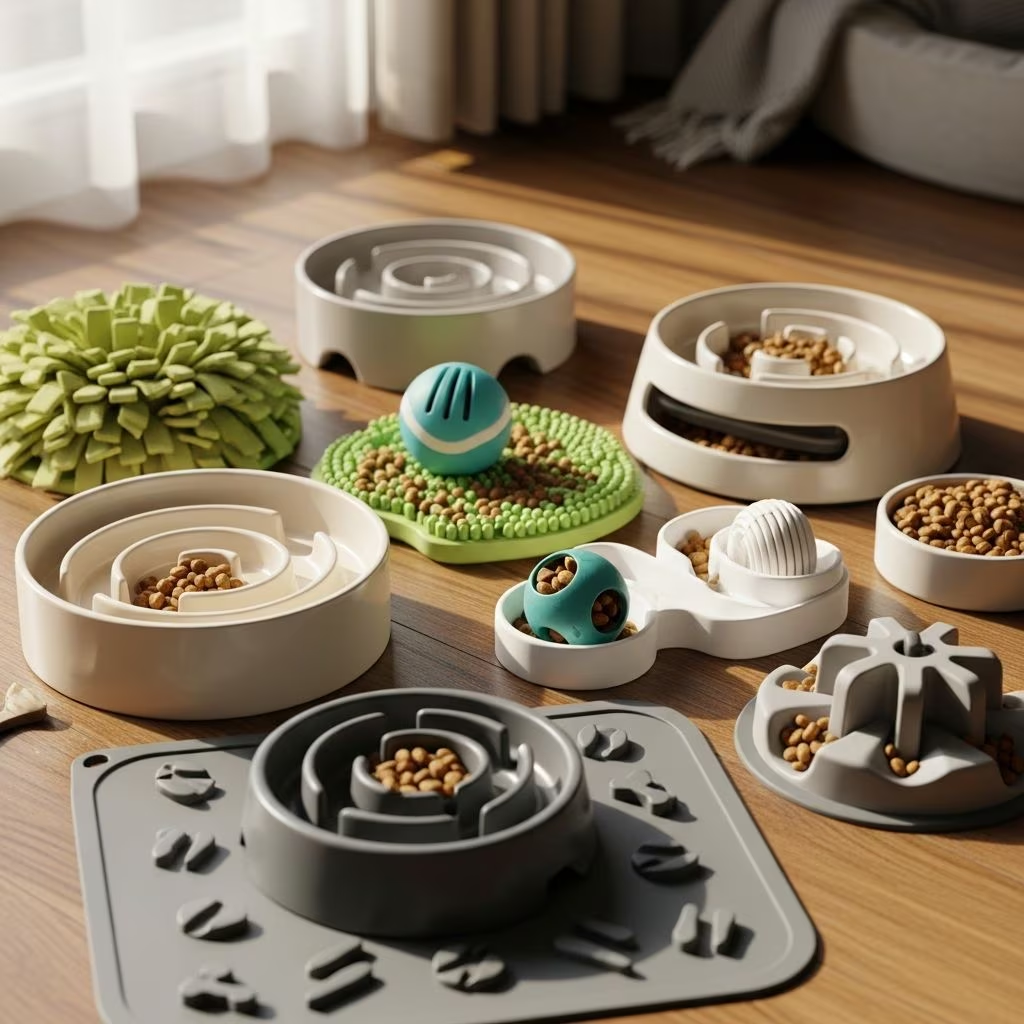
- Slow Feeder Bowls: Raised barriers force deliberate bites, extending meals by minutes.
- Puzzle Toys: Dispensers release kibble via nudges, engaging minds.
- Maze Mats: Embed food in grooves for licking/pawing retrieval.
Feeding Schedule Tweaks
Divide daily rations into 3-4 smaller sessions. Feed separately in multi-dog homes to eliminate rivalry. Hand-feeding portions builds patience and bonds.
Food Transition Strategies
Mix kibble with wet food or soak in water for softer, slower chewing. Larger pieces deter gulping; toppers like veggies add volume without calories.
Building Long-Term Healthy Habits
Consistency curbs instincts over time. Mental stimulation via walks or training reduces stress-eating. Monitor progress; persistent speed warrants vet checks for unresolved issues.
Track intake with journals noting speed, stool quality, and energy. Adjust based on responses—some dogs thrive on raw diets promoting natural pacing.
Common Myths About Speedy Eaters
- Myth: All Fast Eaters Are Greedy. Often instinct or health-driven, not personality.
- Myth: Bigger Bowls Help. Worsens gulping; obstacles are key.
- Myth: It Self-Resolves. Rescue behaviors linger without intervention.
FAQs: Dog Eating Speed Essentials
Why does my dog eat kibble but not treats fast?
Treats demand savoring; bowls trigger survival mode.
Can fast eating cause obesity?
Indirectly, via poor digestion absorbing uneven calories.
Is water gulping risky too?
Yes, mimics food bloat risks.
How long to retrain a speed eater?
Weeks with daily practice; patience yields results.
Best slow feeder for puppies?
Gentle puzzles avoiding frustration.
Nutrition’s Role in Satiety
High-fiber, protein-rich foods signal fullness faster. Avoid fillers; opt for AAFCO-approved formulas balancing macros. Probiotics aid gut health, stabilizing digestion post-reform.
Experiment cautiously; sudden changes upset stomachs. Consult vets for breed-specific needs, like large dogs prone to GDV.
References
- How Eating Too Fast Affects Your Dog’s Health — Good Dog People. 2023. https://gooddogpeople.com/blogs/dog-talk/how-eating-too-fast-affects-your-dog-s-health
- Why Do Dogs Eat Their Food So Fast? Understanding Fast Eating Behavior in Dogs — Houndsy. 2023. https://www.houndsy.com/blogs/modern-tails/why-do-dogs-eat-their-food-so-fast-understanding-fast-eating-behavior-in-dogs
- Is your dog eating too fast? Find out how to fix it! — Petsnutritionist. 2023. https://petsnutritionist.com/dog-eating-too-fast/
- Why Does Your Dog Eat So Fast? — Under the Weather Pet. 2023. https://www.undertheweatherpet.com/blogs/under-the-weather/why-does-your-dog-eat-so-fast
- Why Do Dogs Eat So Fast? — Purina US. 2023. https://www.purina.com/articles/dog/feeding/guides/why-do-dogs-eat-so-fast
- Controlling Your Pet’s Eating Behavior — PetMD. 2023. https://www.petmd.com/dog/nutrition/evr_multi_controlling_pets_eating_behavior
- How to stop your dog from eating its food too fast — Lovet. 2023. https://www.lovet.com/blog/slow-down-dog-eating/



