

Understanding Your Dog’s Fast Eating Habits
Dogs have a natural tendency to eat quickly, often inhaling their food as if it’s their last meal. Whether your pup is a puppy, young adult, middle-aged, or senior canine, many dogs enjoy their meals faster than they should be ingesting them. This behavior stems from their evolutionary history as scavengers and pack animals, where eating quickly was necessary to survive. However, in modern households, this rapid eating can lead to serious health problems including choking, vomiting, bloating, and digestive issues. Understanding why your dog eats too fast is the first step toward finding an effective solution to support their long-term health and wellness.
How Slow Feeder Bowls Work
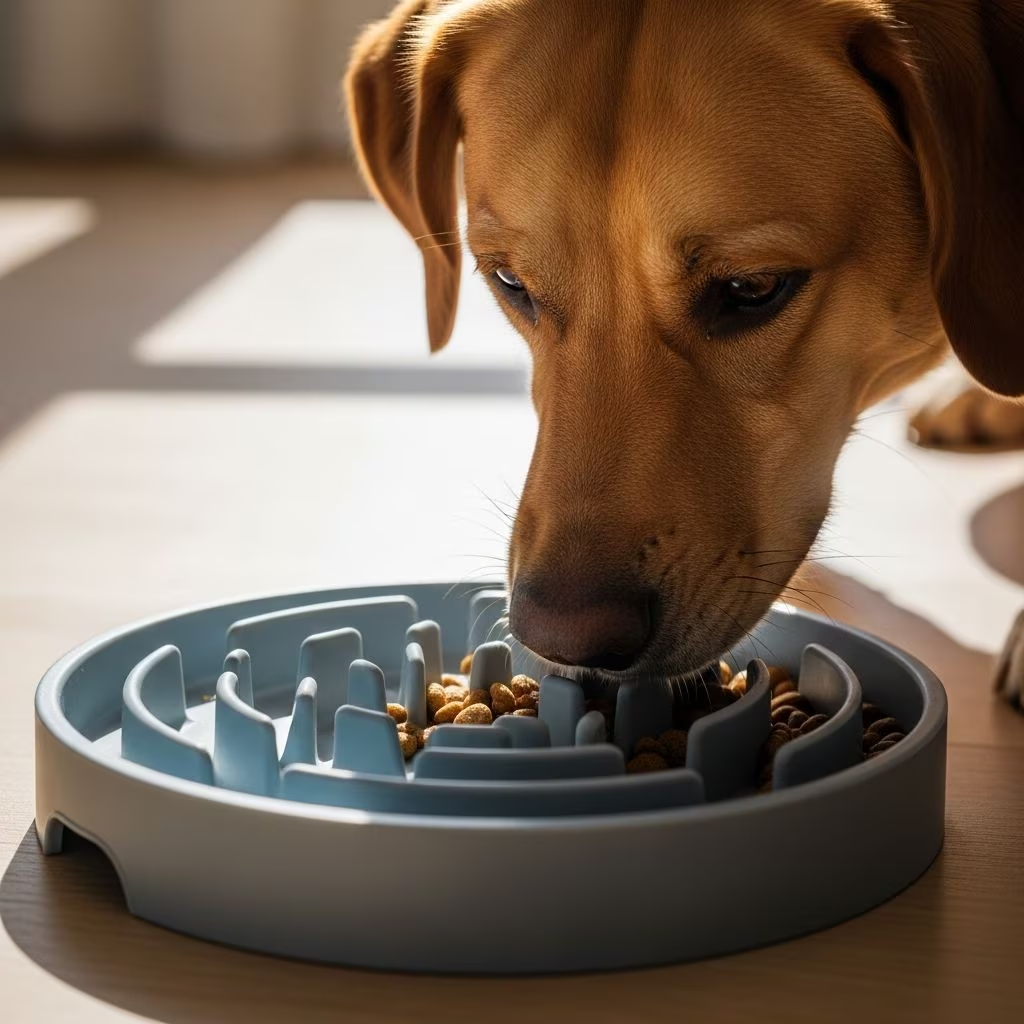
Slow feeder bowls are specially designed feeding dishes with built-in ridges, grooves, and maze-like patterns that physically slow down your dog’s eating pace. Rather than allowing your dog to simply gulp down kibble, these innovative bowls create obstacles and challenging pathways that require your pet to work for their food. The design forces your dog to navigate around barriers, encouraging smaller bites and more thorough chewing. Popular options like the Outward Hound Fun Feeder Slo Bowl feature meal-lengthening ridges and deep grooves that can keep pups engaged for up to 10 times longer at chow time compared to traditional flat bowls. This extended feeding time transforms mealtime from a race into a more mindful, measured eating experience.
Weight Loss Benefits of Slow Feeders
One of the most significant advantages of using a slow feeder bowl is its effectiveness in supporting your dog’s weight management goals. When dogs eat slowly and chew their food properly instead of gulping it down, they consume less overall and feel fuller longer. This is because the chewing process and slower pace give their body more time to register satiety signals, allowing your dog to feel satisfied with smaller portions. Obesity is one of the major health challenges affecting pets in the United States, and slow feeder bowls provide a non-invasive, practical solution. By preventing your dog from inhaling all their food in one sitting, slow feeders make it harder for them to overeat and help establish healthier eating patterns that support sustainable weight loss over time.
When combined with veterinary guidance and a reduction in daily caloric intake by 10–25%, slow feeder bowls become an even more powerful tool in your weight management strategy. Many veterinarians recommend this approach as part of a comprehensive weight-loss plan that also includes increased exercise and portion control.
Key Health Benefits of Slow Feeders
Beyond weight management, slow feeder bowls offer numerous health advantages for your canine companion:
Reducing Bloating and Gas
Bloating occurs when dogs eat too quickly and inhale air along with their food. This excess air creates discomfort and can lead to excessive gas and flatulence. By slowing your dog’s eating pace, slow feeder bowls allow them to consume smaller portions more deliberately, significantly reducing the amount of air swallowed during meals. This helps prevent the uncomfortable bloating that can distress your pet and disrupt your household.
Preventing Choking and Gagging
Fast eaters often gulp large chunks of kibble, increasing their risk of choking. Slow feeder bowls reduce this dangerous behavior by requiring dogs to navigate the bowl’s obstacles, naturally limiting the size of each bite they can take. By forcing your dog to chew more thoroughly, these bowls significantly decrease choking incidents and the associated gagging that can follow rapid eating.
Improving Digestion
Proper chewing is essential for optimal digestion. When dogs eat slowly and chew their food thoroughly, their digestive system has an easier time breaking down the kibble, allowing for better nutrient absorption and overall digestive health. This improved digestion means your dog gets more nutritional benefit from their food, and you may notice fewer digestive issues over time.
Reducing Vomiting
Many dogs vomit after eating because they’ve consumed too much too quickly, or because they’ve inhaled excessive air that their body then needs to expel. Slow feeder bowls address both these issues by controlling portion sizes and limiting air intake, which results in less post-meal vomiting for your pet. This also means less wasted expensive, high-quality dog food and less cleanup for you.
Mental Enrichment and Engagement
For high-energy pets, eating quickly at mealtime represents a missed opportunity for mental enrichment. The challenge of extracting food from the nooks and crannies of a slow feeder bowl adds an element of interest and engagement to the feeding process. This puzzle-like quality keeps your dog mentally stimulated during meals, and pets who receive adequate environmental enrichment often exhibit fewer destructive or anxious behaviors, benefiting both their physical and mental health.
Choosing the Right Slow Feeder Bowl
When selecting a slow feeder bowl for your dog, consider the following factors:
Bowl Design and Material
Slow feeder bowls come in various materials, including ceramic, stainless steel, and plastic. Stainless steel options like the Mr. Peanut’s Non-Skid Stainless Steel Slow Feeder Dog Bowl are durable, easy to clean, and resistant to bacterial growth. Non-skid bases are important to prevent the bowl from sliding around during meals, making it easier for your dog to eat comfortably.
Size and Breed Considerations
Make sure the bowl is appropriately sized for your dog. Bowls that are too small may frustrate your pet, while oversized bowls won’t provide adequate resistance to slow eating. Consider your dog’s breed, size, and the typical amount of food they consume at each meal when making your selection.
Ease of Cleaning
Since slow feeder bowls have ridges, grooves, and maze patterns, they require thorough cleaning to prevent food debris from accumulating in hard-to-reach places. Choose a bowl that’s either dishwasher-safe or easy to hand wash to ensure proper hygiene and food safety.
Alternative Solutions for Fast Eaters
While slow feeder bowls are highly effective, they’re not the only option for addressing rapid eating:
Puzzle Feeders and Interactive Toys
Puzzle feeders engage your dog’s problem-solving skills and naturally slow eating by requiring them to manipulate toys or solve puzzles to release kibble. Dogs often love these because they combine feeding with mental stimulation and play. These toys can make mealtime more interactive and entertaining.
Portioning and Meal Separation
Instead of offering your dog’s entire meal at once, you can divide it into smaller portions and feed them throughout the day. This approach naturally reduces the amount your dog can eat in one sitting and provides multiple opportunities for feeding-related enrichment.
Programmable Pet Feeders
Advanced options like the PetSafe Healthy Pet Simply Feed Programmable Pet Feeder allow you to customize portion sizes and dispense meals up to 12 times per day, giving you precise control over your dog’s eating schedule and quantity. These feeders are particularly helpful for dogs that require strict portion control.
Hiding Food and Scattering
Spreading kibble around the yard or hiding portions in different locations forces your dog to forage, naturally slowing consumption and adding enrichment to their day. This mimics natural feeding behaviors and engages their hunting instincts in a positive way.
Incorporating Slow Feeders into Weight Management
For dogs that need to lose weight, slow feeder bowls should be part of a comprehensive approach that includes veterinary guidance. Slowing down your pet’s meals helps them feel full and content while supporting better digestion. This is especially important when combined with calorie reduction and increased exercise.
If your dog needs to lose a significant amount of weight, your veterinarian may recommend prescription weight-loss diets formulated specifically to promote fat loss while preserving muscle, increase satiety with fiber, and support metabolism. Options such as Hill’s Metabolic + Mobility j/d, Royal Canin Satiety Support, and Purina Pro Plan OM are often recommended by veterinary professionals. These specialized diets are often much more effective than simply cutting portions of regular kibble.
Complementary Strategies for Healthy Eating
Reduce Treats and Choose Low-Calorie Options
While slow feeders help with main meals, it’s also important to reduce or eliminate high-calorie treats. Instead, you can offer low-calorie alternatives including snap peas, carrots, blueberries, air-popped popcorn (unseasoned), and even a piece of your dog’s regular kibble as a treat. Even on a weight-loss plan, you can still give your dog treats—just choose wisely.
Accurate Portion Control
Accurately measure and weigh portions using a dog food scoop to ensure you’re feeding your pup the right amount at each meal. Dogs trying to lose weight typically eat about 10–20% less, depending on your veterinarian’s guidance. The exact amount depends on your dog’s current weight, ideal weight, activity level, and the type of food being used.
Gradual Weight Loss
Just like humans, dogs shouldn’t lose weight quickly. Instead, aim for slow, steady weight loss by decreasing caloric intake and increasing exercise in a way that’s sustainable over the long term. Rapid weight loss can be dangerous and may indicate underlying health problems.
Frequently Asked Questions
Q: Are slow feeder bowls suitable for all dog breeds?
A: Yes, slow feeder bowls can benefit most dogs, but choosing the right size is important. Ensure the bowl is appropriately sized for your breed and eating style. Consult your veterinarian if your dog has specific health conditions.
Q: How long does it take to see weight loss results with a slow feeder bowl?
A: Results vary depending on your dog’s current weight, diet, exercise level, and overall health. When combined with portion control and increased exercise, most dogs begin showing weight loss results within 4-8 weeks. Consistent use is key.
Q: Can I use a slow feeder bowl for wet food?
A: Most slow feeder bowls work best with dry kibble. For wet food, you may need specialized slow feeder bowls designed specifically for wet food, or you can use alternative methods like puzzle feeders or spreading wet food on a flat plate.
Q: Do I need to transition my dog to a slow feeder bowl gradually?
A: Some dogs may initially be frustrated by the obstacles in a slow feeder bowl. You can gradually introduce it by mixing some food into the ridges while also placing some kibble in a traditional bowl nearby, slowly increasing the proportion in the slow feeder.
Q: Can slow feeder bowls help with behavioral issues?
A: Yes, the mental enrichment provided by slow feeder bowls can help reduce anxiety and destructive behaviors associated with boredom. However, for serious behavioral issues, consult a professional dog trainer or veterinarian.
Q: Should I combine slow feeder bowls with other weight management methods?
A: Absolutely. Slow feeder bowls are most effective when combined with portion control, reduced treats, increased exercise, and veterinary guidance. A comprehensive approach yields the best results.
References
- Dog Eats Too Fast? Try This Veterinarian-Recommended Solution — Outward Hound. Accessed November 2025. https://outwardhound.com/furtropolis/product/dog-eats-too-fast
- Slow Feeder Bowl for Dogs: Pros and Cons — Kwik Pets. Accessed November 2025. https://www.kwikpets.com/blogs/dog/slow-feeder-bowl-for-dogs-pros-and-cons
- How To Help Your Dog Lose Weight — Chewy Education. Accessed November 2025. https://www.chewy.com/education/dog/training-and-behavior/how-to-help-dog-lose-weight
- Slow Feeder Dog Bowls — Chewy. Accessed November 2025. https://www.chewy.com/b/slow-feeder-dog-bowl-1424
- 6 Pet Health Accessories to Improve Their Well-Being — Chewy Education. Accessed November 2025. https://www.chewy.com/education/dog/pet-parenting/pet-health-accessories
- Effective Weight Management for Dogs: The Benefits of Slow Feeders — Ashariopets. Accessed November 2025. https://ashariopets.ca/blogs/brand-feature/how-slow-feeders-can-help-with-your-dogs-weight-management
- Does Your Fast Eater Need a Slow Feeder Bowl? — Chewy Education. Accessed November 2025. https://www.chewy.com/education/dog/food-and-nutrition/does-your-fast-eater-need-a-slow-feeder-bowl



