

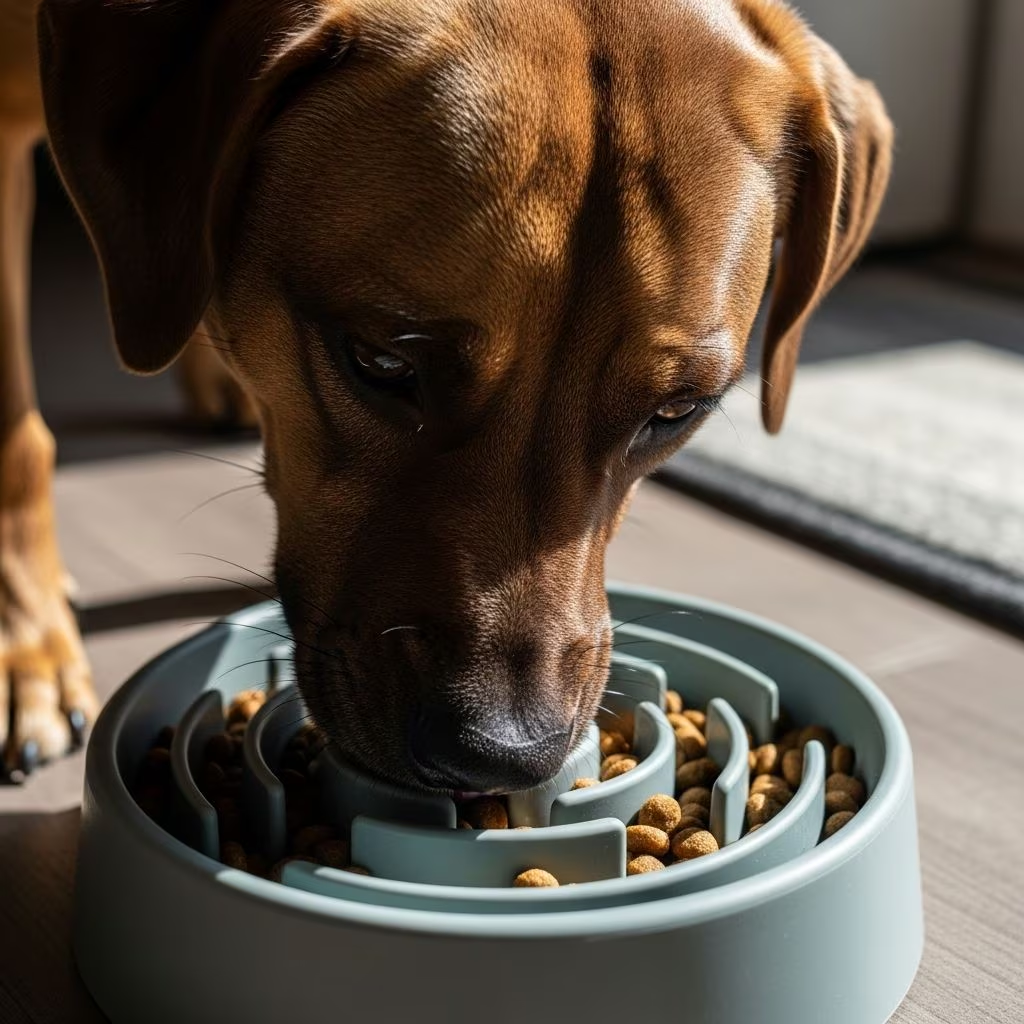
Rapid eating in dogs poses significant health risks, including bloat and choking, but simple interventions can promote safer mealtimes. This guide outlines recognition signs, underlying causes, and actionable solutions to extend meal duration and enhance well-being.
Recognizing Rapid Eating Habits in Your Dog
Dogs that consume food hastily often display clear behavioral cues during meals. Watch for aggressive lunging toward the bowl, audible gulping sounds, or finishing a full portion in under a minute. Physical indicators include post-meal vomiting, excessive drooling, or a bloated abdomen, signaling air ingestion alongside food.
- Anxious demeanor: Pacing or whining before eating suggests competition or past scarcity experiences.
- Quick cleanup: Bowls emptied in seconds indicate habitual speed-eating.
- Health red flags: Regurgitation or discomfort after meals warrants immediate attention.
Multi-dog households amplify these issues, as pets may rush to guard resources. Early detection allows timely adjustments.
Health Dangers of Speedy Meals
Fast eating increases **gastric dilatation-volvulus (GDV)** risk, a life-threatening condition where the stomach twists after filling with air and food. Large, deep-chested breeds like Great Danes face higher susceptibility. Other concerns encompass choking, esophageal damage from undigested chunks, and obesity from poor portion control.
| Risk Factor | Consequences | Prevention Focus |
|---|---|---|
| Bloat (GDV) | Stomach expansion and torsion; emergency surgery needed | Slow intake to limit air swallowing |
| Choking | Airway blockage; potential asphyxiation | Smaller bites via obstacles |
| Digestion Issues | Vomiting, diarrhea, nutrient malabsorption | Extended chewing time |
Studies link slowed feeding to reduced GDV incidence, emphasizing proactive measures. Consult vets for breed-specific vulnerabilities.
Top Solutions for Slower Eating
Implement these vetted techniques, starting with low-effort options and progressing to interactive ones. Combine methods for optimal results.
Specialized Feeding Bowls
**Slow feeder bowls** feature mazes, ridges, and valleys that block direct access, compelling dogs to navigate for each kibble. Available in plastic, stainless steel, or ceramic, they extend meals by 3-5 times without altering diets.
- Select based on size: Deep for large breeds, shallow for small.
- Pros: Durable, dishwasher-safe; Cons: Some dogs outsmart basic designs.
Alternatives include bundt pans or tennis balls in regular bowls to mimic barriers.
Interactive Puzzle Toys and Feeders
Engage your dog’s intellect with food-dispensing devices. Roll kibble inside treat balls or puzzle mats, releasing portions as they nudge and paw. These provide mental enrichment, reducing boredom-driven gulping.
Popular options:
- Treat balls: Roll across floors for gradual dispensing.
- Puzzle boards: Lift flaps or slide panels for rewards.
- Snuffle mats: Hide food in fabric for foraging simulation.
Such toys support behavioral health, especially for high-energy pups.
DIY Feeding Hacks
Budget-friendly home solutions rival commercial products. Spread kibble on cookie sheets to limit mouthfuls, or portion into muffin tins topped with tennis balls.
- Flip a stable bowl upside down for a rolling food chase.
- Scatter on rugs or grass (**scatter feeding**) to trigger natural sniffing.
- Layer dry food under wet in trays for textured resistance.
These foster instinctual hunting, naturally pacing intake.
Hand-Feeding and Training Integration
Deliver kibble piece-by-piece during sessions, transforming meals into bonding and obedience practice. Use a treat pouch for on-the-go portions. This method builds trust while capping speed.
Bonus: Counts toward daily calories, avoiding extra treats.
Meal Frequency and Portion Adjustments
Divide rations into 3-4 smaller servings daily via timed automatic feeders. Programmable devices like app-controlled dispensers release measured amounts, curbing once-a-day binges.
Benefits include steady energy, reduced hunger urgency, and better satiety.
Advanced Strategies for Stubborn Cases
For persistent speed-eaters, layer techniques: Pair slow bowls with scatter feeding or add low-calorie fillers like air-popped popcorn (plain, unsalted). Monitor progress over 1-2 weeks, adjusting as needed.
In competitive homes, separate feeding stations minimize stress. Transition gradually to avoid refusal.
Choosing the Right Tools: Buyer’s Guide
| Method | Cost Range | Best For | Ease of Use |
|---|---|---|---|
| Slow Feeder Bowl | $10-30 | All breeds | High |
| Puzzle Toy | $15-40 | Intelligent dogs | Medium |
| Automatic Feeder | $40-150 | Busy owners | High (setup) |
| DIY Muffin Tin | $0-5 | Budget-conscious | High |
| Hand-Feeding | $0 | Training focus | Low (time) |
Prioritize non-tip bases and size-appropriate openings to prevent frustration. Vet input ensures compatibility.
Frequently Asked Questions (FAQs)
Why does my dog eat so fast?
Often stems from competition, history of food scarcity, or high drive. Single-feeders or anxious pets exacerbate it.
Can slow feeders work for wet food?
Yes, but select shallow designs; mix with kibble for texture.
How long should a meal take?
Aim for 10-20 minutes; consult vets for personalized targets.
Is bloat preventable entirely?
Not always, but slowing eating slashes risk significantly. Seek emergency care for symptoms.
What if my dog ignores new tools?
Introduce with high-value toppers; persistence yields adaptation.
Long-Term Benefits and Monitoring
Consistent slowing yields calmer dogs, improved digestion, and lower vet bills. Track weight, stool quality, and energy post-changes. Annual checkups catch breed predispositions early.
Empower your pet with mindful mealtimes—health starts at the bowl.
References
- How to stop your dog from eating its food too fast — Lovet. 2023. https://www.lovet.com/blog/slow-down-dog-eating/
- My Dog Eats Too Fast: Tips to Prevent Bloat — Christown Animal Hospital. 2020-09. https://christownanimalhospital.com/2020/09/my-dog-eats-too-fast-tips-to-prevent-bloat/
- Dog Eats Too Fast? Tips to Slow Him Down! — PetSafe. N/A. https://www.petsafe.com/blog/my-dog-eats-so-fast-is-that-a-problem/
- Is Your Dog Eating Too Fast? Here’s How to Stop Gulping! — Jiminy’s. N/A. https://jiminys.com/blogs/nutrition/is-your-dog-eating-too-fast-here-s-how-to-stop-gulping
- Chowhound 101: What to Do When Your Dog Eats Too Fast — East Sac Vet. N/A. https://www.eastsacvet.com/blog/chowhound-101-what-to-do-when-your-dog-eats-too-fast/
- 11 Ways to Slow Down Your Dog’s Eating — Chewy. N/A. https://www.chewy.com/education/dog/food-and-nutrition/nutrition-pet-diet-tips-7-ways-to-slow-your-dogs-eating
- 3 Ways to Help Your Dog Slow Down When Eating — Embarkvet. N/A. https://embarkvet.com/resources/how-to-slow-down-dog-eating/



