

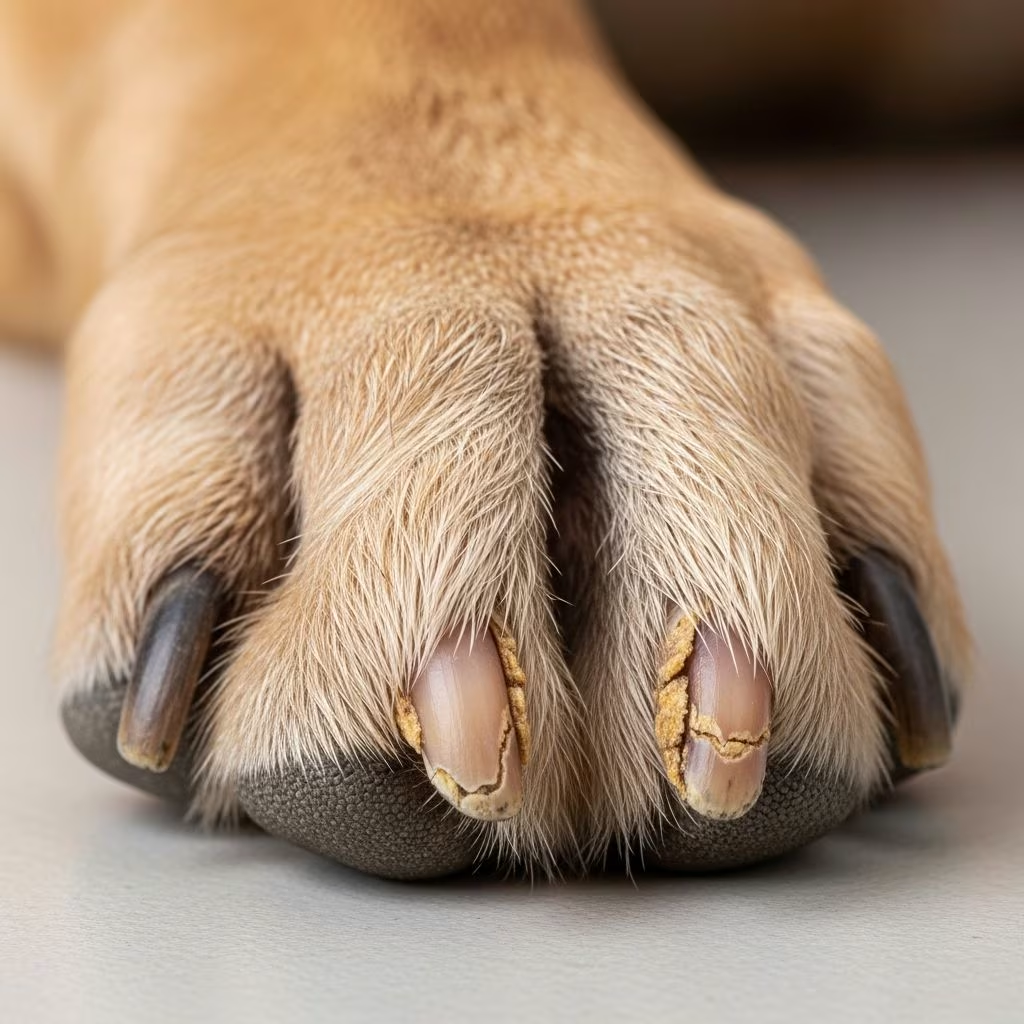
Symmetric lupoid onychodystrophy (SLO) represents a challenging autoimmune condition affecting canine nails, leading to brittleness, splitting, and loss across multiple paws. This guide explores its mechanisms, identification, and care strategies for affected dogs.
Understanding the Basics of Canine SLO
SLO, sometimes called idiopathic onychomadesis, disrupts normal nail development in dogs by targeting the nail matrix and bed. The immune system mistakenly attacks these areas, causing progressive claw deformity and shedding. While not life-threatening, untreated SLO results in chronic pain, infections, and mobility issues.
Unlike trauma-induced nail damage, SLO symmetrically impacts nails on all feet, distinguishing it from localized injuries. Veterinary sources classify it as primarily immune-mediated, with potential genetic influences amplifying risk in susceptible populations.
Primary Causes and Risk Elements
The exact trigger for SLO remains elusive, earning it an idiopathic label, but evidence points to immune dysregulation. The dog’s defenses erroneously target keratin-producing cells in the nail bed, halting healthy growth.
- Genetic Predisposition: Breeds like German Shepherds, Rottweilers, Gordon Setters, Bearded Collies, and Labrador Retrievers show higher incidence, linked to specific dog leukocyte antigen (DLA) Class II homozygosity.
- Immune-Mediated Factors: Associations with autoimmune thyroiditis suggest overlapping autoimmune tendencies, where antithyroid antibodies may cross-react with nail proteins.
- Environmental Contributors: Potential roles for dietary sensitivities, toxin exposure, or nutrient gaps (e.g., omega-3s, biotin, zinc) warrant investigation, though evidence varies.
Large breeds aged 2-6 years face elevated risk, though cases span puppies to seniors.
Recognizing Early Warning Signs
Owners often first notice excessive paw licking or chewing, signaling discomfort before visible changes. Nails then loosen, split (onychorrhexis), separate from the bed (onycholysis), or slough entirely (onychomadesis).
| Stage | Symptoms | Common Observations |
|---|---|---|
| Early | Paw licking, subtle lameness | No initial inflammation; mimics allergies |
| Progressive | Nail brittleness, splitting, bleeding | All paws affected symmetrically |
| Advanced | Complete nail loss, regrowth deformities | Swelling, discharge, secondary infections |
Regrown nails appear crumbly, discolored, and prone to re-breaking, perpetuating a painful cycle. Dogs may limp, avoid weight-bearing, or develop swollen nail folds (paronychia).
Diagnostic Approaches for Accurate Identification
Veterinarians start with a thorough history and physical exam, noting symmetrical involvement and absence of trauma. Key differentials include fungal infections, allergies, or hypothyroidism.
- Clinical Evaluation: Assess nail texture (trachyonychia), separation, and pain response.
- Biopsy Confirmation: Nail bed samples reveal interface dermatitis with lymphocytic infiltration, hallmark of SLO.
- Exclusion Testing: Rule out infections via cytology/culture; screen thyroid via T4/TSH levels.
- Genetic Screening: DLA typing in predisposed breeds supports hereditary links.
Early diagnosis prevents complications like osteomyelitis from chronic exposure.
Core Treatment Strategies
Management focuses on immunosuppression, symptom relief, and nail support. No cure exists, but remission is achievable in most cases with consistent therapy.
- Immunosuppressants: Tetracycline/niacinamide combinations (500 mg tetracycline + 250 mg niacinamide, 3x daily) yield 80-90% success rates by modulating immunity.
- Steroids: Prednisone (1-2 mg/kg daily, tapered) for severe cases, monitored for side effects.
- Topical Care: Soaks in Epsom salts or chlorhexidine; protective boots/wax coatings prevent splitting.
Fatty acid supplements (e.g., omega-3s) aid nail integrity, while biotin/zinc address potential deficiencies.
Supportive Care and Home Management
Beyond meds, daily paw hygiene curbs infections. Trim loose nails carefully, apply emu oil or paw balms for moisture, and use padded boots during walks.
Nutrition Tips:
- Hypoallergenic diets if food triggers suspected.
- Omega-rich foods (fish oil) for anti-inflammatory benefits.
- Avoid environmental irritants like harsh chemicals.
Monitor thyroid function annually in at-risk dogs.
Prognosis and Long-Term Outlook
With prompt intervention, 70-90% of dogs achieve stable remission, regrowing functional nails. Relapses occur upon treatment cessation, necessitating lifelong management. Breeds with strong genetic ties may require indefinite low-dose therapy.
Untreated, SLO leads to deformed claws, persistent pain, and bone involvement, severely impacting quality of life.
Prevention Insights for At-Risk Breeds
While unpreventable in idiopathic cases, proactive steps mitigate severity:
- Genetic testing for DLA markers in breeding stock.
- Balanced diets rich in nail-support nutrients.
- Thyroid screening in middle-aged large breeds.
Frequently Asked Questions (FAQs)
What breeds are most prone to SLO?
German Shepherds, Rottweilers, Gordon Setters, Bearded Collies, and similar large breeds show genetic susceptibility.
Can SLO resolve without treatment?
Rarely; most cases progress without intervention, leading to complications.
Is SLO painful for dogs?
Yes, nail separation and exposure cause significant discomfort, often shown by licking and limping.
How long until nails regrow after SLO treatment?
4-12 weeks, with initial fragility; full strength may take months.
Does diet influence SLO outcomes?
Possibly; omega fatty acids, biotin, and elimination trials benefit some dogs.
Expert Tips for Owners
Consult a veterinary dermatologist for biopsy-confirmed cases. Track symptoms via photos for progress reports. Join breed-specific forums for shared experiences, but prioritize vet guidance.
References
- Symmetric Lupoid Onychodystrophy in Dogs — VCA Animal Hospitals. 2023. https://vcahospitals.com/know-your-pet/symmetric-lupoid-onychodystrophy-in-dogs
- Symmetric Lupoid Onychodystrophy in Dogs: What to Know — MedVet. 2023. https://www.medvet.com/lupoid-onychodystrophy-in-dogs/
- Lupoid Onychodystrophy in Dogs — WagWalking. 2023. https://wagwalking.com/condition/lupoid-onychodystrophy
- Symmetric lupoid onychodystrophy (SLO) — PMC – NIH. 2023-08-01. https://pmc.ncbi.nlm.nih.gov/articles/PMC10426235/
- SLO in Dogs: A Vet’s Guide — ToeGrips. 2023. https://toegrips.com/slo-in-dogs/
- A pivotal pedicure: Understanding SLO — DVM360. 2023. https://www.dvm360.com/view/pivotal-pedicure-understanding-slo
- The Lowdown on SLO — My Pet Nutritionist. 2023. https://mypetnutritionist.com/post/the-lowdown-on-slo/



