

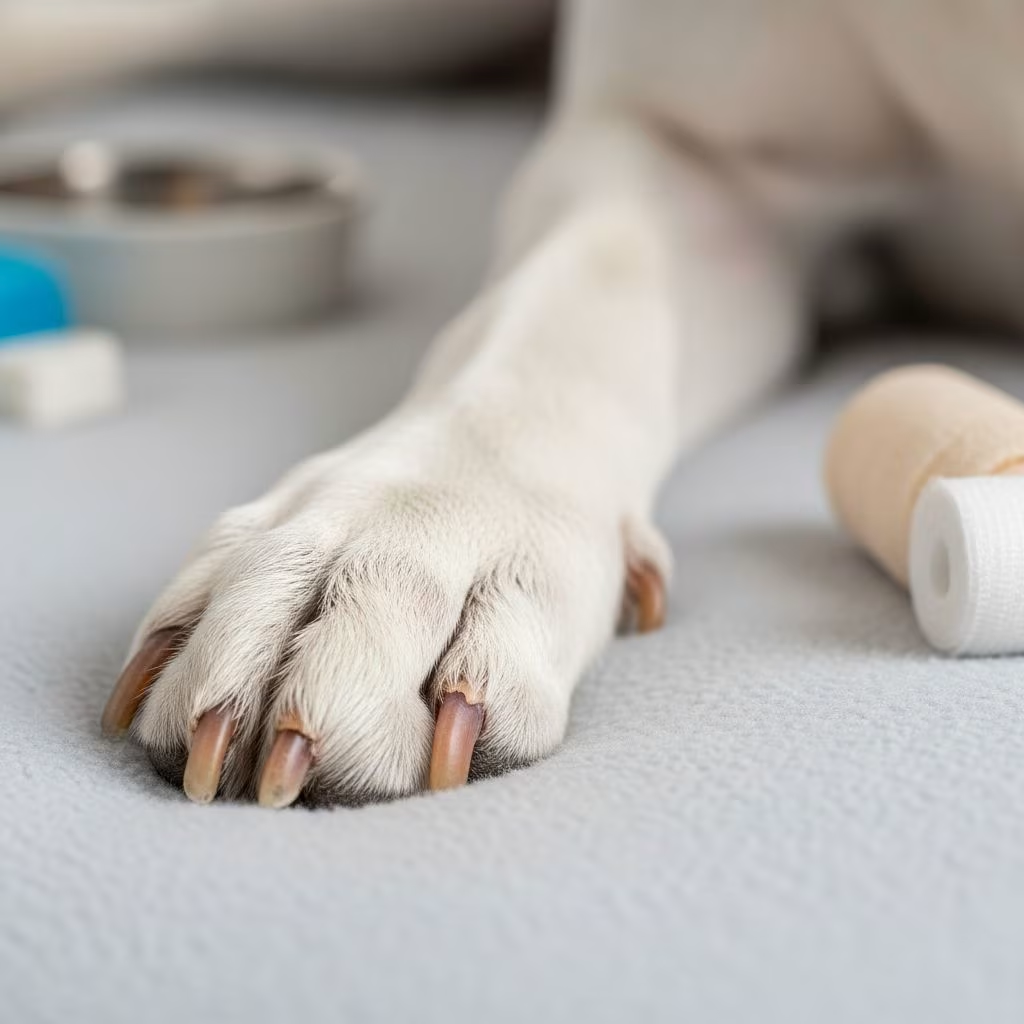
Symmetric lupoid onychodystrophy (SLO) represents a challenging autoimmune condition primarily targeting the nails of dogs, leading to painful deformities and loss. This disease, while not life-threatening, significantly impacts mobility and comfort, necessitating prompt veterinary intervention.
Understanding the Nature of SLO
SLO, sometimes referred to as idiopathic onychomadesis, disrupts normal nail matrix function, where new nail cells form. The immune system mistakenly attacks this area, resulting in weak, malformed claws that slough off symmetrically across multiple paws. Unlike infections or injuries, SLO persists without addressing the underlying autoimmunity, often recurring if unmanaged.
Typically emerging in dogs aged 2 to 6 years, SLO spares no breed entirely but shows higher incidence in larger ones. Genetic factors, particularly dog leukocyte antigen (DLA) variations, contribute to susceptibility, explaining breed predispositions.
Breeds Most Vulnerable to SLO
Certain breeds face elevated risks due to hereditary immune traits. German Shepherds, Rottweilers, Gordon Setters, Bearded Collies, and Labrador Retrievers frequently present with SLO symptoms. Boxers, Akitas, and Golden Retrievers also appear in case reports, highlighting a pattern in medium-to-large breeds.
- German Shepherds: Common due to genetic immune dysregulation.
- Gordon Setters: Homozygosity for DLA Class II genes increases odds.
- Rottweilers: Frequently reported in clinical settings.
- Bearded Collies: Chromosomal changes on CFA12 and 17 implicated.
- Other breeds: Labradors, Golden Retrievers, Akitas, Boxers.
Owners of these breeds should monitor paw health closely, especially during early adulthood.
Recognizing Early Warning Signs
The onset of SLO often begins subtly, mimicking minor irritations. Dogs may excessively lick or chew paws, signaling discomfort from onychalgia (nail pain). Lameness follows as nails loosen, split (onychorrhexis), or detach (onycholysis) from the bed.
Progression accelerates: nails become brittle, discolored, and crumbly, sloughing off entirely over weeks. Regrowth yields deformed claws prone to bleeding, secondary infections, and swelling around nail folds (paronychia). Affected dogs limp, hesitate on hard surfaces, or avoid pressure on paws.
| Stage | Symptoms | Common Observations |
|---|---|---|
| Early | Paw licking, mild lameness | No visible trauma; subtle nail changes |
| Moderate | Nail splitting, separation | Bleeding, swelling at base |
| Advanced | Complete nail loss, regrowth deformities | Infection risk, persistent pain |
Unlike allergies or yeast issues, SLO symmetrically affects corresponding nails on all feet, a hallmark feature.
Unraveling the Root Causes
SLO’s idiopathic label stems from unclear triggers, but evidence points to immune-mediated destruction of nail matrix cells. Genetic predispositions amplify this via DLA Class II homozygosity in vulnerable breeds.
Potential contributors include:
- Autoimmune thyroiditis: Up to 17% of cases link to hypothyroidism, possibly via cross-reacting antibodies.
- Food sensitivities: Rare remissions follow elimination diets, suggesting inflammatory roles.
- Nutritional gaps: Deficiencies in omega-3s, biotin, or zinc weaken nails.
- Environmental factors: Toxins or infections may trigger flares.
Chromosomal anomalies on canine chromosomes 12 and 17 in Bearded Collies further support heritability, though exact genes remain elusive.
Diagnostic Approaches for Confirmation
Veterinarians rule out mimics like fungal infections, trauma, or tumors via physical exams and history. Nail biopsies reveal interface dermatitis with lymphocytic infiltration, confirming immune involvement.
Key steps include:
- Clinical assessment of symmetric nail changes.
- Radiographs to exclude bone issues.
- Cytology or culture for secondary infections.
- Thyroid panels for concurrent hypothyroidism.
- Histopathology as gold standard.
Early diagnosis prevents chronic pain and deformities.
Proven Treatment Protocols
Management combines immunosuppression, antimicrobials, and supportives. Doxycycline (5-10 mg/kg twice daily) tetracyclines modulate immunity and combat infections, yielding 80-90% response rates.
Alternatives:
- Tetracyclines + Niacinamide: Synergistic for refractory cases.
- Corticosteroids: Prednisone for acute flares, tapered to minimize side effects.
- Immunosuppressants: Azathioprine or cyclosporine if unresponsive.
Protective boots, padded bedding, and Epsom soaks soothe during regrowth. Nail trims prevent snags.
Nutritional and Supplemental Support
Supplements fortify nails: essential fatty acids (fish oil, 100 mg EPA/DHA per 10 lbs), biotin (5-10 mg/day), zinc (2 mg/kg), and vitamin E bolster matrix health.
Hypoallergenic diets trial for 8-12 weeks may resolve cases tied to sensitivities.
Long-Term Management and Prognosis
With consistent therapy, most dogs achieve remission, regrowing functional nails within months. Relapses occur upon tapering meds, requiring lifelong low-dose maintenance.
Prognosis excels with compliance: 70-80% maintain good quality of life. Monitor for thyroid issues biannually.
Prevention Tips for At-Risk Dogs
While genetic, proactive steps help:
- Regular paw inspections.
- Balanced diet rich in nail nutrients.
- Avoid trauma; use booties on rough terrain.
- Thyroid screening for predisposed breeds.
Frequently Asked Questions (FAQs)
Is SLO painful for dogs?
Yes, nail separation and exposure cause significant discomfort, often leading to licking and limping.
Can SLO be cured completely?
Not curative, but manageable; many dogs live normally with ongoing care.
How quickly does SLO progress?
Weeks to months, starting with one nail and spreading symmetrically.
Are puppies affected by SLO?
Rarely; most cases hit adults 3-8 years old.
Does diet influence SLO?
Possibly; omega fatty acids and hypoallergenic foods aid recovery.
References
- Symmetric Lupoid Onychodystrophy in Dogs — VCA Animal Hospitals. 2023. https://vcahospitals.com/know-your-pet/symmetric-lupoid-onychodystrophy-in-dogs
- Symmetric Lupoid Onychodystrophy in Dogs: What to Know — MedVet. 2023. https://www.medvet.com/lupoid-onychodystrophy-in-dogs/
- Lupoid Onychodystrophy in Dogs — WagWalking. 2023. https://wagwalking.com/condition/lupoid-onychodystrophy
- Symmetric lupoid onychodystrophy (SLO) — PMC – NIH. 2023-08-01. https://pmc.ncbi.nlm.nih.gov/articles/PMC10426235/
- SLO in Dogs: A Vet’s Guide — ToeGrips. 2023. https://toegrips.com/slo-in-dogs/
- A pivotal pedicure: Understanding SLO — DVM360. 2023. https://www.dvm360.com/view/pivotal-pedicure-understanding-slo
- The Lowdown on SLO — My Pet Nutritionist. 2023. https://mypetnutritionist.com/post/the-lowdown-on-slo/



