

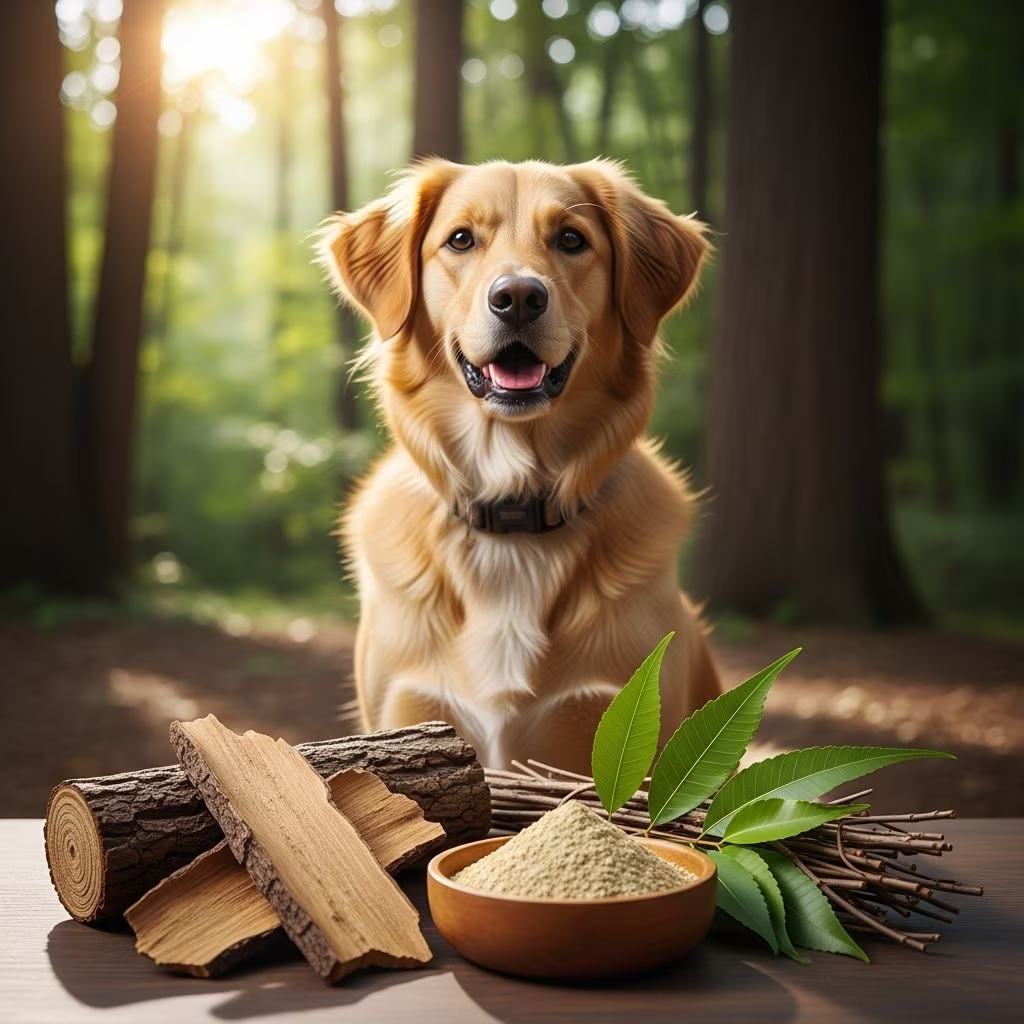
Slippery elm, derived from the inner bark of the Ulmus rubra tree, offers dogs a gentle, natural way to address various health concerns through its unique mucilage properties. When mixed with water, it forms a gel-like substance that coats and protects irritated tissues, making it a popular herbal supplement among pet owners seeking holistic alternatives.
Understanding Slippery Elm’s Core Properties
The key to slippery elm’s effectiveness lies in its composition. Rich in mucilage, a polysaccharide that swells in water to create a soothing gel, it acts as a demulcent to calm inflamed mucous membranes. It also provides nutritive value with vitamins like A, B-complex, C, and K, plus minerals such as calcium, magnesium, and sodium. These elements contribute to its roles as an astringent, which tightens tissues; an emollient for skin softening; and an anti-inflammatory agent reducing swelling and pain.
Beyond basics, slippery elm functions as a prebiotic by feeding beneficial gut bacteria, promoting microbiome balance essential for overall health. Its fiber content supports bowel regularity, while antioxidants help neutralize free radicals. Veterinary herbalists have long praised these multifaceted actions for addressing both acute and chronic canine issues.
Boosting Digestive Wellness in Canines
Digestion tops the list of slippery elm’s applications for dogs. The mucilage coats the stomach and intestinal linings, shielding them from irritants like acid, bacteria, or allergens. This is particularly helpful for conditions causing vomiting, diarrhea, or constipation.
- Diarrhea relief: The gel absorbs excess water in the gut, firming stools without harsh binders.
- Constipation aid: As a mild laxative, it lubricates the tract, easing passage for comfortable bowel movements.
- Colitis and IBD management: By reducing inflammation, it calms flare-ups in inflammatory bowel disease.
For dogs with chronic pancreatitis or food sensitivities, slippery elm protects damaged tissues and stabilizes digestion. Studies, like one on phyto-saccharide mucilage for vomiting and diarrhea in pets, show expedited symptom relief, underscoring its practical value.
Enhancing Respiratory and Throat Comfort
Dogs prone to coughs, bronchitis, or kennel cough benefit from slippery elm’s ability to soothe respiratory passages. The mucilage forms a protective layer over irritated throats and airways, reducing cough frequency and easing breathing.
In cases of collapsed trachea or acid reflux-induced coughing, it minimizes mucosal inflammation. Pet owners report quicker recovery when using it alongside conventional treatments, though always under veterinary supervision.
Supporting Urinary and Bladder Function
Bladder issues like cystitis or infections respond well to slippery elm. Its soothing gel coats the urinary tract, alleviating irritation and balancing pH levels thanks to magnesium content. This helps deter bacterial adhesion, potentially shortening infection duration.
For older dogs with incontinence or stones, the astringent effect tightens tissues, improving control. Combined with hydration, it promotes urinary health without antibiotics in mild cases.
Combating Inflammation and Joint Discomfort
Slippery elm’s anti-inflammatory pentosans target joint pain from arthritis, as well as lung, kidney, and throat inflammations. By curbing swelling, it enhances mobility and comfort, especially in senior dogs.
Topically, mix powder into a paste for hot spots, burns, or wounds. The emollient properties draw out infections while astringents promote drying and healing, accelerating recovery.
Immune System and Nutrient Optimization
The gut barrier strengthened by slippery elm traps pathogens, bolstering immunity. Prebiotic fibers enhance calcium and nutrient uptake, vital for bone health and vitality. Stable blood sugar from its use aids weight management, preventing obesity-related issues.
Safe Dosage Guidelines for Dogs
Dosage varies by dog size and condition. Start low to monitor tolerance.
| Dog Weight | Dosage (Powder, tsp per day) | Frequency |
|---|---|---|
| Under 10 lbs | 1/4 | 1-2 times |
| 10-50 lbs | 1/2-1 | 1-2 times |
| Over 50 lbs | 1-2 | 1-2 times |
Mix with warm water or broth to form a slurry; administer via syringe or food. For acute issues, use every 4-6 hours; chronic, once daily. Consult a vet for tailored advice, especially with medications.
Easy Homemade Recipes with Slippery Elm
Digestive Tea: Boil 1 tsp powder in 1 cup water, cool, add to meals.
Wound Paste: Combine 1 tbsp powder with honey and water; apply sparingly.
Immune Booster Broth: Simmer with bone broth, pumpkin, and probiotics for gut support.
These recipes leverage slippery elm’s synergy with wholesome ingredients for enhanced results.
Potential Precautions and Interactions
Slippery elm is generally safe but may slow absorption of oral drugs—space by 1-2 hours. Avoid in pregnancy or with known allergies. Source sustainably harvested, organic powder to prevent contamination. Overuse risks nutrient malabsorption; cycle with breaks.
Puppies under 8 weeks and dogs with severe conditions need vet clearance. Monitor for loose stools indicating excess fiber.
Frequently Asked Questions
Is slippery elm safe for daily use in dogs?
Yes, in moderation for most dogs, but consult your vet for long-term plans to avoid dependency.
Can slippery elm replace vet-prescribed medications?
No, it complements treatments; never substitute without professional input.
How quickly does slippery elm work for diarrhea?
Effects often appear within 24-48 hours, with full relief in days.
Where to buy quality slippery elm for pets?
Opt for human-grade, organic powders from reputable herbal suppliers.
Does it help with allergies in dogs?
Indirectly, by supporting gut health linked to immune responses.
Integrating Slippery Elm into Your Dog’s Routine
Incorporate slippery elm thoughtfully for proactive care. Pair with a balanced diet, probiotics, and exercise for holistic benefits. Track responses in a journal to refine usage. While anecdotal and observational evidence abounds, ongoing research like mucilage studies validates its role in veterinary practice.
For multi-dog homes or breeds prone to GI woes (e.g., Bulldogs, Labs), it proves invaluable. Transition gradually, prioritizing professional oversight for safety.
References
- The Wonderful Ways Slippery Elm Enhances Canine Health — WonderLabs. 2023. https://wonderlabs.com/blog/the-wonderful-ways-slippery-elm-enhances-canine-health/
- Slippery Elm: How Can it Benefit Your Dog? — WagWalking. 2024. https://wagwalking.com/wellness/slippery-elm-how-can-it-benefit-your-dog
- Love Benefits of Slippery Elm For Your Dog — Taranet. 2013 (study cited). https://www.taranet.co.uk/Animal%20Care%20Events/blog-2/files/b3d53dc2d395260589dc5c6e0964cfa1-40.html
- What is Slippery Elm and How Does it Benefit Dogs? — Dragonfly Products. 2024. https://dragonflyproducts.co.uk/blogs/dog-health/slippery-elm-dogs
- 6 Benefits of Slippery Elm For Dogs and Cats — Scrumbles. 2023. https://scrumbles.co.uk/blogs/nutrition/6-benefits-of-slippery-elm-for-dogs-and-cats
- 9 Ways Slippery Elm Can Help Your Dog — Dogs Naturally Magazine. 2024. https://www.dogsnaturallymagazine.com/the-soothing-qualities-of-slippery-elm/



