

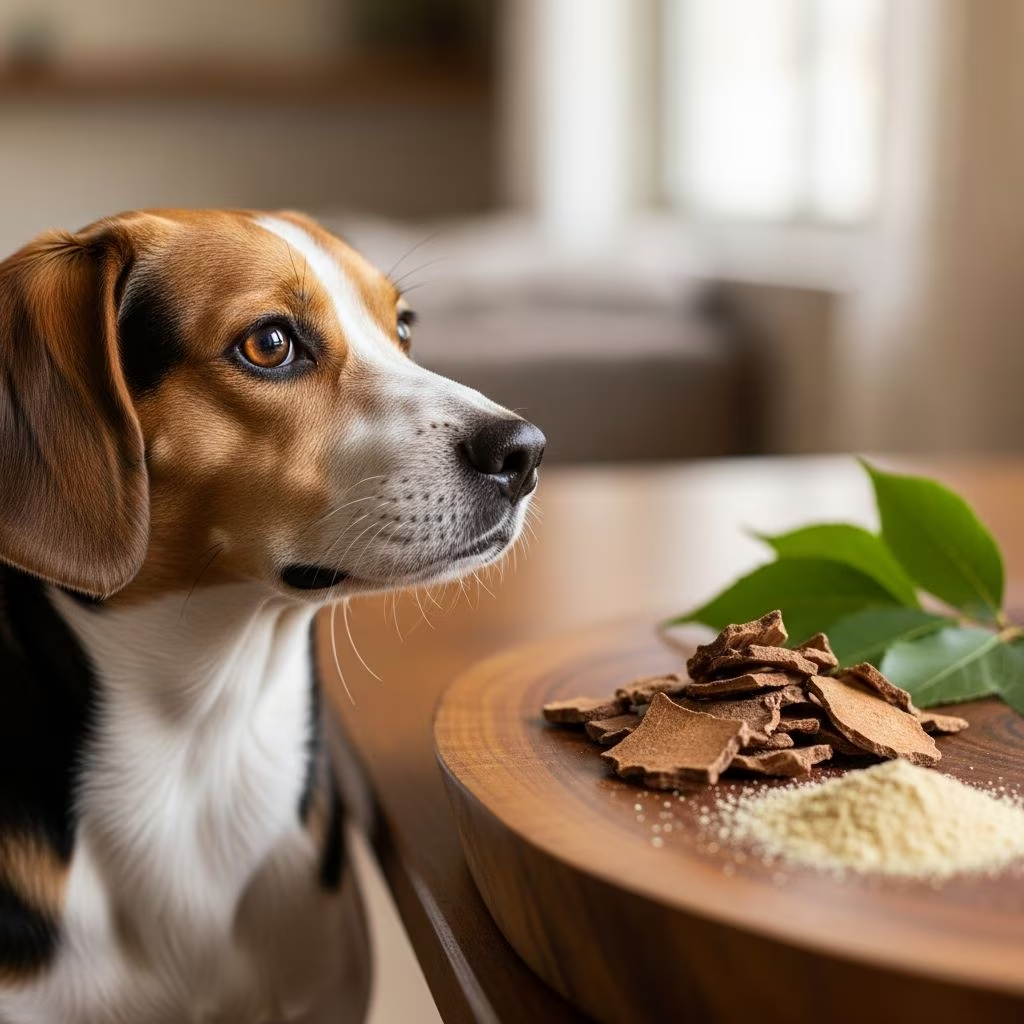
Slippery elm bark, derived from the inner bark of the Ulmus rubra tree, has emerged as a popular natural remedy among dog owners seeking gentle solutions for various health concerns. Its primary active component, mucilage, forms a gel-like substance when mixed with water, providing a protective coating for irritated tissues in the digestive tract, respiratory system, and skin. This makes it particularly valuable for managing common canine ailments without relying solely on synthetic medications.
Understanding the Science Behind Slippery Elm’s Effects
At its core, slippery elm works through multiple mechanisms that benefit canine physiology. The mucilage acts as a demulcent, creating a soothing barrier over mucous membranes to reduce inflammation and irritation. It also exhibits astringent properties, which help tighten tissues and control excess fluid loss, while its nutrient profile—including vitamins A, B-complex, C, and K, plus minerals like calcium and magnesium—supports overall nourishment.
Research and observational data highlight its prebiotic role, feeding beneficial gut bacteria to promote microbiome balance. This indirectly aids nutrient absorption, immune function, and even mood regulation via the gut-brain axis. Anti-inflammatory and antioxidant effects further contribute to its versatility, addressing issues from joint discomfort to oxidative stress.
Key Health Benefits for Canines
Slippery elm’s applications span several bodily systems, making it a multifaceted supplement. Below is a breakdown of its primary uses, supported by pet health insights.
- Gastrointestinal Support: It excels at alleviating diarrhea, constipation, vomiting, and nausea by lubricating the gut lining and regulating bowel movements. For chronic conditions like inflammatory bowel disease (IBD) or colitis, the protective coating reduces flare-ups.
- Respiratory Relief: By coating the throat and airways, it eases coughs, bronchitis, and sore throats associated with kennel cough or collapsed trachea.
- Skin and Wound Care: As a topical paste, it soothes hot spots, burns, boils, and abrasions while promoting faster healing through emollient and astringent actions.
- Urinary Tract Aid: It calms bladder inflammation in cystitis cases, helping balance urinary pH and combat infections.
- Joint and Inflammatory Conditions: Anti-inflammatory compounds may ease arthritis pain and swelling.
- Additional Perks: Supports weight management by stabilizing blood sugar, aids pancreatitis recovery, and may reduce anxiety through gut health improvements.
Safe Dosage Guidelines for Different Dog Sizes
Administering slippery elm requires precise dosing to avoid digestive overload from its high fiber content. Use powdered bark form for easiest mixing. General guidelines per day, divided into 2-3 doses:
| Dog Weight | Dosage (Powdered Bark) | Preparation Notes |
|---|---|---|
| Under 10 lbs | 1/8 tsp | Mix with warm water to form gel |
| 10-50 lbs | 1/4-1/2 tsp | Combine with food or broth |
| Over 50 lbs | 1 tsp | Stir into meals; monitor stool |
Start low and observe for 24-48 hours. For acute issues, use for 3-5 days; chronic conditions may need ongoing low-dose use under vet supervision. Always source organic, sustainably harvested bark to minimize contaminants.
Practical Recipes and Administration Tips
Incorporate slippery elm seamlessly into your dog’s routine with these original recipes:
- Gut-Soothing Broth: Simmer 1/4 tsp powder in 1 cup bone broth for 5 minutes. Cool and serve over kibble. Ideal for diarrhea recovery.
- Anti-Inflammatory Tea: Steep 1/2 tsp in hot water for 10 minutes, strain, and add to meals once cooled. Great for coughs or reflux.
- Wound Paste: Mix 1 tsp powder with warm water to a thick paste. Apply to clean wounds 2x daily, cover lightly.
- Pancreatitis Support Mix: Blend 1/4 tsp into low-fat pumpkin puree. Feed as a topper for digestive ease.
Pro Tip: Warm liquids activate mucilage best; cold water works but less effectively. Store powder in a cool, dry place.
Potential Risks and When to Avoid Use
While generally safe, slippery elm isn’t suitable for all dogs. Its mucilage can bind to oral medications, reducing absorption—administer supplements 1-2 hours apart. Rare side effects include loose stools from overdosage or allergic reactions like itching.
Contraindications:
- Pregnant or nursing dogs (limited data).
- Dogs on blood thinners (astringent effects).
- Acute blockages or obstructions.
Consult a veterinarian, especially for puppies, seniors, or those with pre-existing conditions. Sustainable harvesting is crucial as wild populations decline.
Real-World Success Stories from Pet Owners
Many guardians report transformative results. One owner noted their senior Lab’s chronic diarrhea resolved after a week of slippery elm tea, avoiding vet-prescribed antibiotics. Another used the paste on a hot spot, seeing healing in days without scarring. These anecdotes align with holistic vet recommendations for its gentle efficacy.
Integrating Slippery Elm into a Holistic Wellness Plan
Pair slippery elm with probiotics, high-quality diets, and stress reduction for amplified benefits. Track progress with a journal noting stool quality, energy, and appetite. Regular vet check-ups ensure compatibility with broader health strategies.
For long-term gut health, rotate with other prebiotics like chicory root, maintaining variety to support microbiome diversity.
Frequently Asked Questions (FAQs)
Is slippery elm toxic to dogs?
No, it’s non-toxic and well-tolerated when dosed correctly.
How quickly does it work for diarrhea?
Effects often appear within 24-48 hours for acute cases.
Can I give it to puppies?
Yes, in tiny doses (1/16 tsp max), but vet approval first.
Does it interact with flea preventatives?
Possible; space by 2 hours.
Where to buy quality slippery elm?
Opt for organic from reputable pet supplement brands.
Slippery elm empowers dog owners with a time-tested, natural tool for irritation relief. By understanding its properties and using it judiciously, you can enhance your pet’s comfort and vitality safely.
References
- Slippery Elm: How Can it Benefit Your Dog? — PetCloud. 2023. https://www.petcloud.com.au/d/blog/slippery-elm-how-can-it-benefit-your-dog/
- Slippery Elm: How Can it Benefit Your Dog? — WagWalking. 2023. https://wagwalking.com/wellness/slippery-elm-how-can-it-benefit-your-dog
- What is Slippery Elm and How Does it Benefit Dogs? — Dragonfly Products. 2023. https://dragonflyproducts.co.uk/blogs/dog-health/slippery-elm-dogs
- 6 Benefits of Slippery Elm for Dogs and Cats — Scrumbles. 2023. https://scrumbles.co.uk/blogs/nutrition/6-benefits-of-slippery-elm-for-dogs-and-cats
- 9 Ways Slippery Elm Can Help Your Dog — Dogs Naturally Magazine. 2023. https://www.dogsnaturallymagazine.com/the-soothing-qualities-of-slippery-elm/
- Using Slippery Elm for Dogs for Digestive Upset — Adored Beast. 2023. https://blog.adoredbeast.com/using-slippery-elm-for-dogs-for-digestive-upset/
- Slippery Elm Bark (Ulmus rubra) — ThorneVet. 2023. https://thornevet.com/glossary/slippery-elm-bark-ulmus-rubra/



