

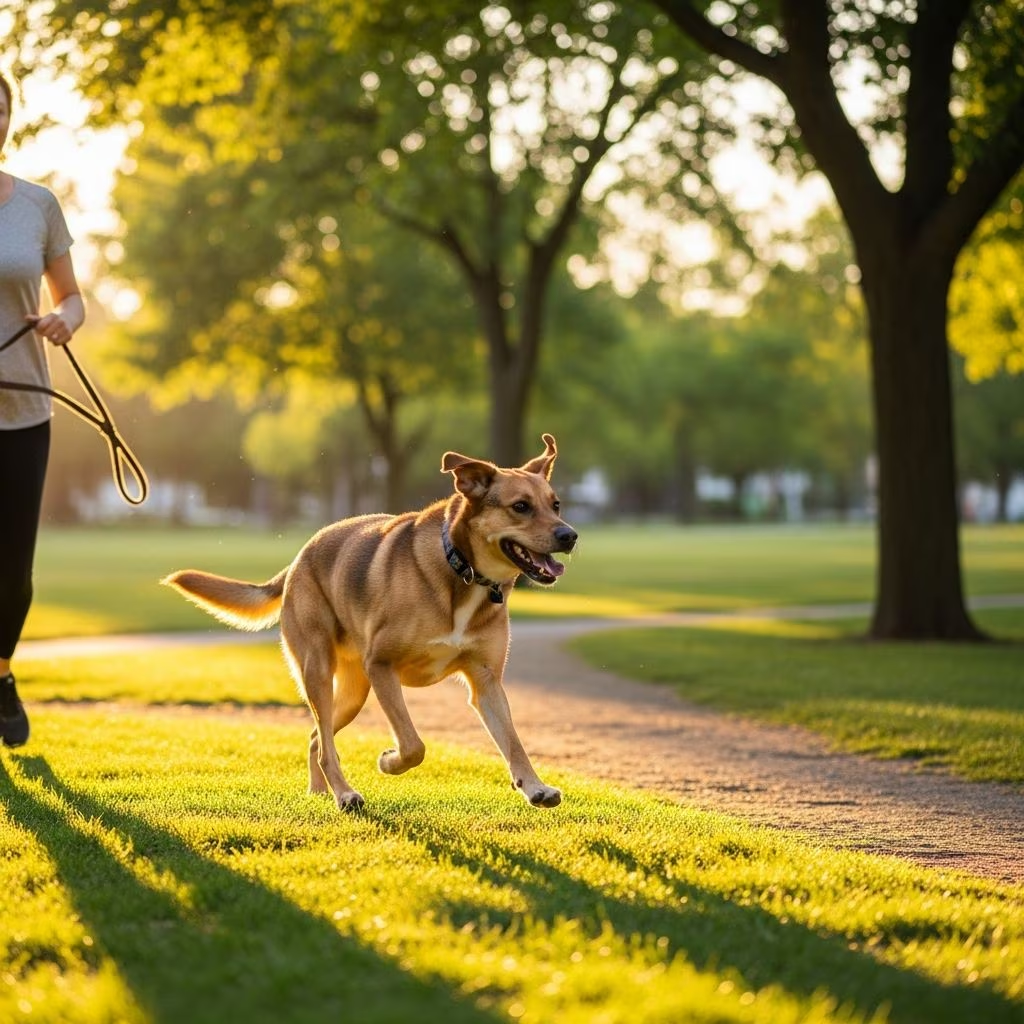
Overweight dogs face numerous health challenges, including joint problems, diabetes, and reduced lifespan. A structured weight loss program combining dietary adjustments and increased physical activity can transform your pet’s well-being. This guide outlines practical steps to initiate and maintain your dog’s weight reduction journey effectively.
Assessing Your Dog’s Weight Status
Before starting any weight loss effort, evaluate your dog’s current condition accurately. Use the Body Condition Score (BCS) system, a standardized 9-point scale where 1 is emaciated and 9 is severely obese. An ideal score ranges from 4 to 5, with visible waistline and palpable ribs without excess fat.
- Run your hands along your dog’s sides; you should feel ribs with slight fat cover.
- Observe from above: a defined waist should be visible.
- Check from the side: an abdominal tuck toward the hips is essential.
Consult your veterinarian for a precise BCS and to rule out underlying conditions like hypothyroidism or Cushing’s disease that could contribute to weight gain.
Consulting Your Veterinarian for a Personalized Plan
A veterinary professional is crucial for safe weight management. They will determine your dog’s ideal target weight based on breed, age, and frame size, then calculate Resting Energy Requirements (RER) and Daily Energy Requirements (DER).
For weight loss, aim for a 1-2% body weight reduction per week, or 1-5% per month, to avoid muscle loss or metabolic slowdown. Your vet may recommend therapeutic diets formulated for obesity, which are lower in fat and higher in fiber and nutrients to ensure satiety and nutritional balance despite reduced calories.
Selecting the Optimal Weight Loss Diet
Choose foods specifically designed for canine weight reduction. These typically contain around 300 calories per cup, with increased protein to preserve lean muscle, high fiber for fullness, and reduced energy density.
| Diet Feature | Benefit | Example Calories/Cup |
|---|---|---|
| Lower Fat Content | Reduces overall calorie intake | 250-350 |
| High Fiber | Promotes feeling full longer | N/A |
| Concentrated Nutrients | Meets needs on fewer calories | N/A |
| Increased Protein | Maintains muscle mass | N/A |
Avoid generic low-calorie foods without veterinary approval, as they may lack balanced nutrition. Transition gradually over 7-10 days to prevent digestive upset: start with 25% new food mixed with 75% old, increasing incrementally to 100%.
Mastering Portion Control and Feeding Schedules
Precise measurement is key; use a kitchen scale to weigh food rather than scooping, as volumes vary. Calculate daily intake as 70-90% of maintenance calories for gradual loss. For example, a dog needing 1000 maintenance calories might get 700-900 for dieting.
Implement scheduled meals 2-3 times daily instead of free-feeding to regulate metabolism and prevent overeating. Remove uneaten food after 15-30 minutes.
- Weigh food daily for accuracy.
- Divide total into multiple small meals for better satiety.
- Account for treats: limit to 10% of daily calories, using low-cal options like green beans or carrots.
In multi-dog homes, feed separately and supervise to avoid theft.
Incorporating Exercise into Daily Routine
Physical activity burns calories, builds muscle, and boosts metabolism. Start slow, especially for sedentary or older dogs, aiming for 30 minutes daily, adjustable based on fitness level.
Combine aerobic and strength exercises:
- Brisk walks: 20-40 minutes, increasing pace over time.
- Play sessions: Fetch, tug-of-war, or swimming for low-impact cardio.
- Mind games: Puzzle feeders or food-dispensing toys to engage mentally while moving.
- Strength training: Gentle hills or stairs for hindquarter work.
Monitor for signs of fatigue; consult your vet for breed-specific or health-limited plans.
Smart Treats and Managing Begging Behaviors
Treats can derail progress, so opt for voluminous, low-calorie alternatives. Subtract treat calories from meal allowances.
| High-Cal Treat (Avoid) | Calories | Low-Cal Swap | Calories |
|---|---|---|---|
| Milk bone (1) | 25 | Green beans (handful) | 5 |
| Cheese cube | 50 | Apple slices (no seeds) | 10 |
| Regular biscuit | 30 | Carrot sticks | 5 |
Combat begging by ignoring pleas, offering water, or using distractions. Crate during family meals and enlist household consistency.
Tracking Progress and Adjusting the Plan
Weigh your dog every 1-2 weeks using a consistent scale, ideally at the vet monthly for accuracy. Track in a log with photos and BCS updates. Expect plateaus; adjust calories by 10-20% if needed under vet guidance.
Once target weight is reached, gradually increase calories to maintenance levels while sustaining exercise to prevent regain.
Potential Challenges and Solutions
Common hurdles include family non-compliance, slow progress, or medical plateaus. Solutions:
- Educate household on the plan’s importance.
- Reassess with vet if no loss after 4 weeks.
- Address hunger with fiber-rich veggies or extended walks.
Senior dogs or those with arthritis may need hydrotherapy or joint supplements alongside dieting.
Long-Term Weight Maintenance Strategies
Sustained health requires lifelong habits. Annual vet check-ups, consistent routines, and early intervention for creep keep weight stable. Celebrate milestones with non-food rewards like new toys.[10]
Frequently Asked Questions
How fast should my dog lose weight?
Safely at 1-2% of body weight weekly; slower for very obese dogs.
Can I use human food for dieting?
Limited low-cal veggies yes, but prioritize vet-formulated kibble for balance.
What if my dog refuses the new food?
Enhance with warm water or vet-approved toppers; transition slower.
Is exercise enough without diet change?
No, caloric restriction is primary; exercise supports.
How do I handle multiple dogs?
Separate feeding areas and times.
References
- Dog Weight Loss: Start Your Dog’s Healthy Journey — Association for Pet Obesity Prevention. 2023. https://www.petobesityprevention.org/weight-loss-dogs
- Creating a Weight Reduction Plan for Dogs — VCA Animal Hospitals. 2024. https://vcahospitals.com/know-your-pet/creating-a-weight-reduction-plan-for-dogs
- How to Make Your Dog Lose Weight: A Comprehensive Guide — Houndsy. 2023. https://www.houndsy.com/blogs/modern-tails/how-to-make-your-dog-lose-weight-a-comprehensive-guide-for-pet-parents
- A Pet’s Guide To Weight Loss — Desert Hills Animal Hospital. 2024. https://www.deserthillsah.com/blog/a-pet-s-guide-to-weight-loss
- Obesity and weight loss in dogs — Cornell University College of Veterinary Medicine. 2025. https://www.vet.cornell.edu/departments-centers-and-institutes/riney-canine-health-center/canine-health-topics/obesity-and-weight-loss-dogs



