Slimming Down Senior Dogs: Proven Strategies
Discover effective, vet-approved methods to help your aging canine shed excess pounds safely and improve their quality of life.
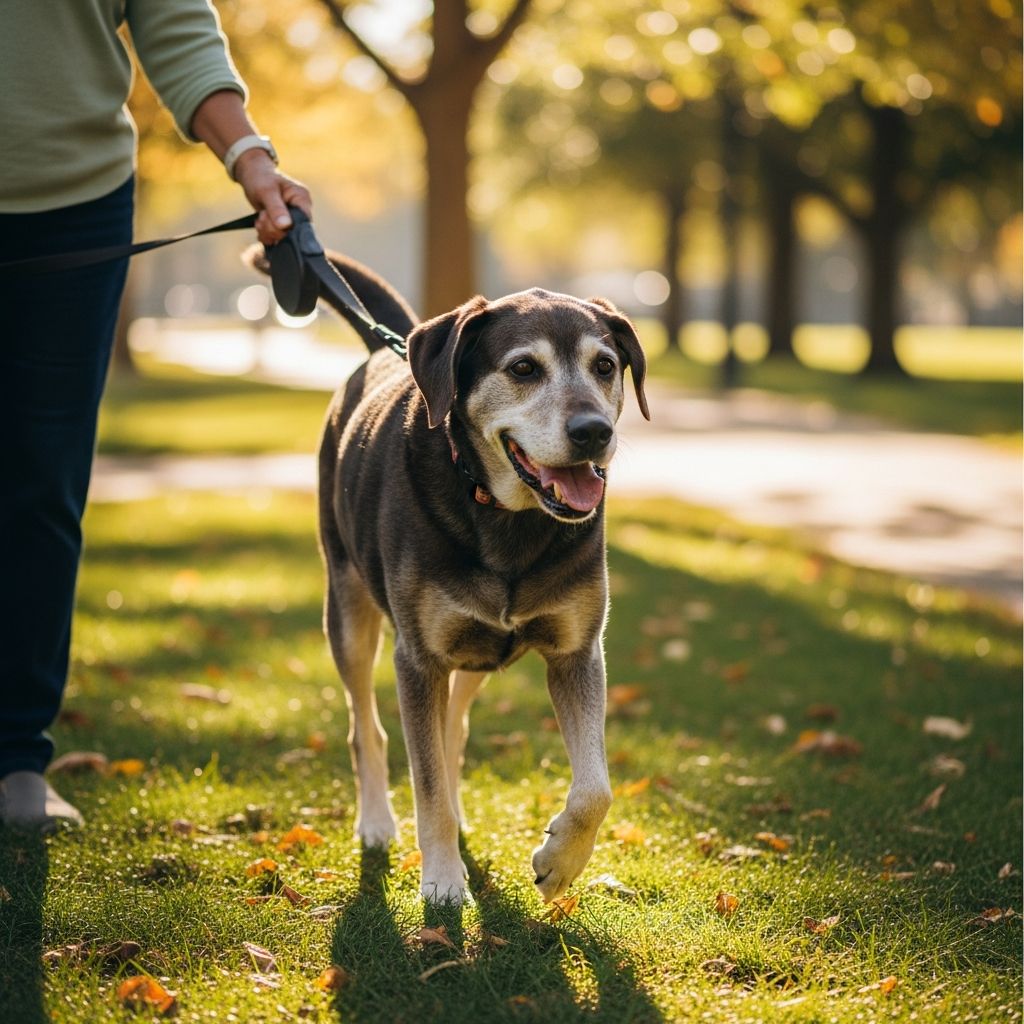
As dogs enter their golden years, maintaining an ideal weight becomes crucial for their overall well-being. Excess pounds can strain joints, exacerbate arthritis, and shorten lifespan, but targeted interventions can reverse this trend. This guide outlines comprehensive approaches to help older canines achieve a leaner, more active body without compromising nutrition or comfort.
Understanding Weight Challenges in Aging Canines
Senior dogs often face slowed metabolism, reduced activity levels, and hormonal shifts that promote fat accumulation. According to veterinary guidelines, obesity affects over 50% of pets, with seniors particularly vulnerable due to diminished muscle mass and energy expenditure. Regular body condition scoring—feeling ribs with minimal fat cover and observing a visible waistline—helps identify issues early.
Consulting a veterinarian is the first step. They assess factors like breed, current health conditions (e.g., hypothyroidism or diabetes), and calculate resting energy requirements (RER) using formulas based on ideal body weight. For instance, a 50-pound dog might need 800-1000 calories daily for maintenance, reduced by 20-30% for weight loss.
Optimizing Nutrition for Gradual Fat Reduction
Diet forms the cornerstone of any weight management plan. Transition to foods with lower energy density—fewer calories per volume—to allow satisfying portions. Therapeutic diets emphasize high protein (to preserve muscle), increased fiber (for fullness), and reduced fat.
- Portion Precision: Measure kibble daily using a kitchen scale; avoid free-feeding to prevent overconsumption.
- Meal Frequency: Divide rations into 3-4 smaller meals to stabilize blood sugar and curb hunger.
- Calorie Tracking: Account for all sources, including scraps, which should never exceed 10% of intake.
Incorporate fiber-rich additions like rinsed green beans or pumpkin to bulk meals without extra calories, promoting satiety. For picky seniors, mix in low-cal veggies such as carrots or cucumbers.
Sample Daily Calorie Guide for Senior Dogs
| Ideal Weight (lbs) | Maintenance Calories | Weight Loss Calories (80% of Maintenance) |
|---|---|---|
| 20 | 400-500 | 320-400 |
| 50 | 800-1000 | 640-800 |
| 80 | 1200-1400 | 960-1120 |
Note: Adjust based on vet advice; recheck every 2-4 weeks.
Increasing Physical Activity Safely
Exercise burns calories and builds muscle, countering sarcopenia (age-related muscle loss). Aim for 30 minutes of brisk daily activity, tailored to mobility.
- Brisk Walks: Power-walk at a pace that slightly elevates your heart rate; avoid leisurely strolls.
- Low-Impact Options: Swimming or underwater treadmills suit arthritic joints, providing cardio without stress.
- Home Workouts: Use puzzle feeders or move bowls to encourage movement; hide kibble around the yard for foraging.
Start slow—5-10 minute sessions—and gradually increase. Monitor for fatigue, limping, or heavy panting, especially in hot weather.
Smart Treat Management and Behavior Hacks
Treats often sabotage efforts, yet they’re key for training. Opt for voluminous, low-calorie rewards: apple slices (no seeds), blueberries, or green beans. Break commercial treats into tiny pieces.
- Factor treats into the daily calorie budget.
- Replace food rewards with praise, toys, or playtime.
- When begging occurs, redirect to a short walk or fetch session.
Family-wide commitment prevents sneaky handouts. Educate all household members on goals and alternatives.
Monitoring Progress and Health Check-Ins
Weigh your dog biweekly on a consistent scale; expect 1-2% body weight loss per week for safety. Track waist measurements and BCS monthly. If plateauing, recalculate needs or switch foods under vet guidance.
Bloodwork ensures no underlying issues like organ dysfunction. Annual senior wellness exams catch problems early.
Common Pitfalls and How to Avoid Them
Many owners overlook subtle gains or inconsistent measuring. Self-feeders enable bingeing—ditch them. Post-meal exercise too soon burns needed calories; wait 30 minutes. Emotional eating from boredom? Increase mental stimulation with scent games.
Long-Term Maintenance for Lifelong Health
Once target weight is reached, gradually increase calories while sustaining habits. Annual vet recalibrations account for further aging. A lean senior enjoys better mobility, fewer vet visits, and extended vitality.
Frequently Asked Questions (FAQs)
Can senior dogs lose weight too quickly?
No—aim for 1-2% weekly to protect muscle and organs. Rapid loss risks weakness.
What if my dog refuses diet food?
Mix gradually over 7-10 days; add warm water or toppers like fish oil for appeal.
Is swimming good for overweight seniors?
Yes, it’s joint-friendly and builds endurance without impact.
How do I know my dog’s ideal weight?
Vet uses BCS charts; ribs palpable, waist visible from above.
Are veggies safe daily treats?
Limited yes—carrots, beans; avoid onions, grapes.
References
- How to Help Your Dog Live a Longer, Healthier Life — Grey Muzzle. 2023. https://www.greymuzzle.org/resources/health-and-well-being/keeping-senior-dogs-shape-how-help-your-dog-live-longer-healthier
- Weight Loss in Older Dogs: When to Worry — Westmoreland Animal Hospital. 2024-07-22. https://www.westmorelandah.com/site/blog/2024/07/22/weight-loss-older-dogs
- Dog Weight Loss Information — Pet Obesity Prevention. 2024. https://www.petobesityprevention.org/weight-loss-dogs
- Preventing Obesity in Senior Dogs — American Kennel Club. 2024. https://www.akc.org/expert-advice/health/preventing-obesity-in-senior-dogs/
- Weight Loss in Older Dogs: When to Worry — Alondra Animal Hospital. 2024-08-15. https://www.alondraah.com/site/blog/2024/08/15/weight-loss-older-dogs
- Choosing Food for Your Senior Dog — Cornell University College of Veterinary Medicine. 2024. https://www.vet.cornell.edu/departments-centers-and-institutes/riney-canine-health-center/canine-health-topics/choosing-food-your-senior-dog
- Creating a Weight Reduction Plan for Dogs — VCA Animal Hospitals. 2024. https://vcahospitals.com/know-your-pet/creating-a-weight-reduction-plan-for-dogs
Similar Articles






Read full bio of medha deb