
Slim Down Your Pup: Low-Fat Diets for Dogs
Discover how low-fat dog foods promote safe weight loss, boost vitality, and prevent health issues for overweight pets.
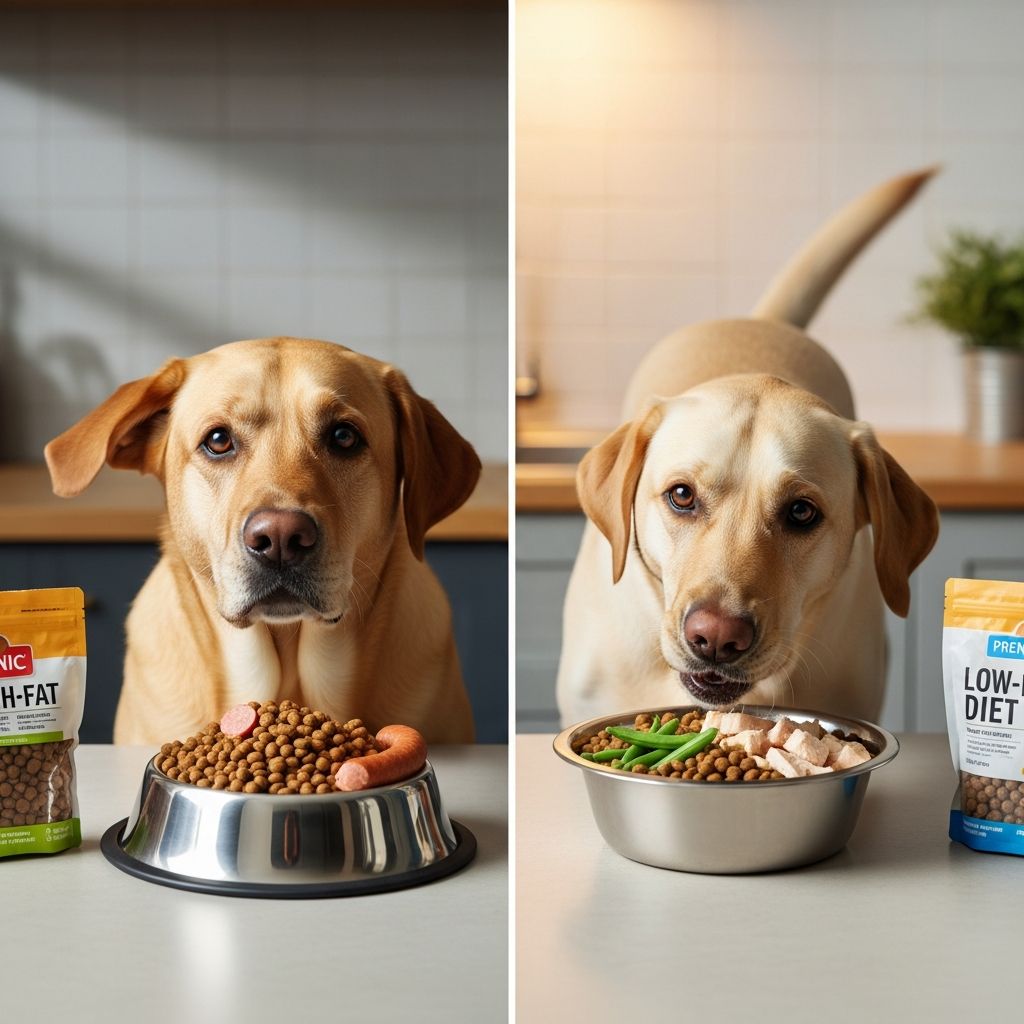
Overweight dogs face serious health risks, but a carefully chosen low-fat diet can help them achieve a healthier weight while maintaining essential nutrition. These specialized formulas reduce calorie intake without sacrificing protein or vital nutrients, promoting gradual fat loss and increased energy.
Why Dogs Gain Weight and the Dangers Involved
Dogs become overweight due to excess calories from treats, table scraps, or insufficient exercise combined with high-fat regular foods. Obesity stresses joints, hearts, and organs, leading to conditions like diabetes, arthritis, and reduced lifespan. A low-fat approach counters this by lowering energy density while keeping meals satisfying.
Statistics show nearly 60% of dogs in developed countries are overweight, amplifying risks for pancreatitis and liver issues. Early intervention with diet changes prevents these problems and restores mobility.
Core Principles of Low-Fat Canine Nutrition
Low-fat dog foods typically contain under 10-12% fat, focusing instead on high-quality proteins from lean sources like turkey, fish, or venison. These proteins preserve muscle during weight loss, unlike carb-heavy diets that lead to muscle wasting. Fiber from sources like beet pulp or miscanthus grass adds bulk, promoting fullness without extra calories.
- Protein Priority: At least 25-30% to support muscle and sustained energy.
- Fiber Boost: Soluble and insoluble types for digestion and satiety.
- Controlled Carbs: Limited to prevent blood sugar spikes.
- Essential Fats: Balanced omega-3/6 for anti-inflammatory benefits.
Medium-chain triglycerides from coconut oil can even enhance fat burning, distinguishing quality formulas from generic low-cal options.
Health Benefits Beyond Weight Reduction
Switching to low-fat kibble or wet food improves more than just the scale reading. Dogs often show better digestion, fewer bouts of loose stools, and shinier coats due to balanced nutrients. Energy levels rise as excess weight lifts pressure from joints, enabling longer walks and play sessions.
| Benefit | How It Helps | Example Impact |
|---|---|---|
| Joint Relief | Less fat reduces inflammation | Fewer limps, more agility |
| Digestive Ease | Lower fat eases stomach load | Regular bowels, less gas |
| Heart Health | Omega balance fights oxidative stress | Stronger endurance |
| Immune Support | Antioxidants counter obesity effects | Fewer illnesses |
For breeds prone to pancreatitis, like Miniature Schnauzers, these diets are lifesavers, preventing flare-ups triggered by fatty meals.
Selecting the Right Low-Fat Formula
Not all ‘light’ labels guarantee results. Check AAFCO statements for complete nutrition, then scan guarantees: aim for 300-350 kcal/cup, 8-12% fat, and 4-6% fiber. Avoid fillers like corn syrup; prioritize whole ingredients.
Consult vets for tailored advice, especially if your dog has conditions like diabetes or IBD. Prescription diets with L-carnitine aid fat metabolism, but over-the-counter options from reputable brands work well for mild cases.
Safe Transition Strategies for Success
Abrupt changes cause digestive upset, so mix new food gradually over 7-10 days: 25% new on day 1, increasing to 100%. Monitor stool and appetite; adjust portions using body condition scoring—ribs palpable but not visible.
- Weigh your dog weekly.
- Calculate needs: 20-30 kcal per pound of ideal weight daily.
- Divide into 2-3 meals to stabilize hunger.
- Track progress; aim for 1-2% body weight loss weekly.
Incorporate low-cal treats like carrot sticks or green beans—under 10% of calories—to keep training fun without derailing goals.
Boosting Results with Exercise and Lifestyle Tweaks
Diet alone isn’t enough; pair it with 30-60 minutes of daily activity. Swimming suits joint-heavy breeds, while leashed walks build endurance. Puzzle toys dispense kibble, turning meals into mental workouts that burn calories.
Home tweaks matter: elevate bowls to engage core muscles, use slow feeders to extend eating time, and limit free-feeding to control intake precisely.
Real-Life Transformations: Dog Owners Share Wins
Take Max, a Labrador who dropped 15 pounds in four months on a high-protein, low-fat kibble plus daily hikes. His owner noted boundless zoomies and no more labored breathing. Similarly, elderly Beagles regain youthfulness, chasing toys they ignored when heavy.
These stories underscore sustainability: once at goal weight, transition to maintenance formulas or continue low-fat if prone to regain.
Potential Pitfalls and How to Avoid Them
Too much fiber risks constipation; balance with water intake. Low-fat doesn’t mean zero fat—essential fatty acids prevent dry skin. Watch for begging; increase volume with veggies if needed, but recalculate calories.
If no progress after a month, reassess with a vet—thyroid issues or meds might interfere. Never use human diets; onions, grapes, and excess salt harm dogs.
FAQs on Low-Fat Dog Diets
Q: How long until I see weight loss?
A: Expect 1-2% loss per week; full results in 2-6 months depending on starting weight.
Q: Can puppies eat low-fat food?
A: No, growing dogs need higher fat for development; use adult formulas post-growth.
Q: Is wet food better than dry for weight loss?
A: Both work if calorie-controlled; wet aids hydration, dry supports teeth.
Q: What if my dog refuses the new food?
A: Warm it, add bone broth, or mix with old food longer; consult vet if persistent.
Q: Can active dogs use these diets?
A: Yes, high-protein versions fuel exercise without excess calories.
Long-Term Maintenance for Lasting Health
Reaching ideal weight is step one; preventing rebound requires vigilance. Annual vet weigh-ins, consistent routines, and portion awareness keep pounds off. Celebrate with non-food rewards like new toys, fostering a lean, lively companion for years.
Low-fat diets transform lives, turning couch potatoes into playful partners. With patience and the right formula, your dog can thrive at a healthy size.
References
- Why Low-Calorie Dog Food is Key to Helping Overweight Dogs Lose Weight Safely — Clinivet. 2023-05-15. https://clinivet.com/blogs/news/why-low-calorie-dog-food-is-key-to-helping-overweight-dogs-lose-weight-safely
- Understanding What is a Low Fat Diet for Dogs: A Comprehensive Guide — Houndsy. 2024-02-10. https://www.houndsy.com/blogs/modern-tails/understanding-what-is-a-low-fat-diet-for-dogs-a-comprehensive-guide
- What are the differences between light dog food and a diet for obesity? — Vets & Clinics. 2023-11-20. https://vetsandclinics.com/en/library/what-are-the-differences-between-light-dog-food-and-a-diet-for-obesity
- Low-Fat Dog Food for Weight Management — Whole Dog Journal. 2024-08-05. https://www.whole-dog-journal.com/food/low-fat-dog-food-for-weight-management/
- Weight Management Dog Food — Hill’s Pet. 2025-01-12. https://www.hillspet.com/dog-care/healthcare/dog-weight-management
Similar Articles








Read full bio of medha deb




