
Slicker Brushes for Dogs: Complete Selection Guide
Find the ideal slicker brush for your dog's coat type and grooming needs.
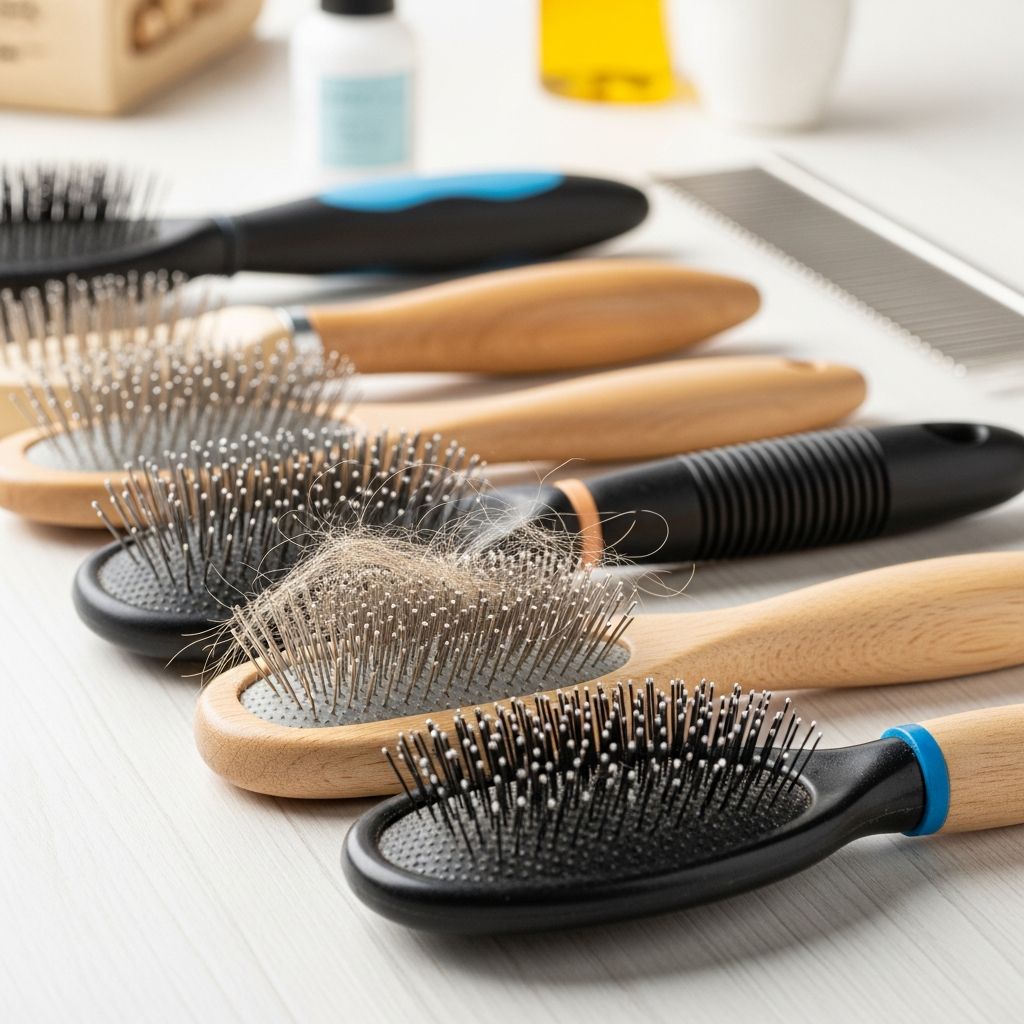
Slicker Brushes for Dogs: A Comprehensive Selection Guide
Maintaining your dog’s coat requires the right tools, and a quality slicker brush is one of the most versatile options available for pet owners. Whether you have a long-haired companion, a double-coated breed, or a dog with a cottony texture, understanding how to select the appropriate slicker brush can significantly improve your grooming routine and your dog’s overall coat health.
Understanding Slicker Brush Design and Functionality
A slicker brush consists of fine, short wires positioned closely together on a flat or slightly curved surface. This unique design makes it exceptionally effective for removing tangles, mats, and loose hair from your dog’s coat. Unlike other grooming tools that may only address surface-level grooming, slicker brushes penetrate deeper into the coat structure, making them ideal for routine maintenance and preventing matting problems before they become severe.
The effectiveness of a slicker brush lies in its ability to work through multiple layers of fur simultaneously. The dense wire arrangement allows you to reach undercoat areas that contribute significantly to shedding and matting. This makes slicker brushes particularly valuable during seasonal transitions when dogs shed more heavily.
Matching Slicker Brushes to Your Dog’s Coat Type
Not all slicker brushes perform equally across different coat types. Understanding your dog’s specific coat characteristics will help you select a brush that works efficiently without causing discomfort.
Medium to Long-Coated Dogs
Dogs with medium to long hair, such as Doodles, Shih Tzus, Collies, and Spaniels, benefit tremendously from slicker brushes. These breeds often experience tangling and matting, particularly in areas with friction like armpits and behind ears. A standard slicker brush with regular pin density handles these coats effectively, removing debris and preventing mats from forming.
Double-Coated Breeds
Dogs with double coats, including Australian Shepherds and Siberian Huskies, require special consideration. These breeds have two distinct coat layers—a dense undercoat and an outer guard coat. For dogs with extremely thick double coats or those with cottony coat texture, such as Poodles, a slicker brush with reduced pin density may be more appropriate. This variation allows you to work through the coat more effectively without excessive tugging or pulling.
Wire-Haired and Rough-Coated Dogs
Rough-coated breeds like Border Collies and Shelties, as well as wire-haired dogs like German Wirehaired Pointers and Wire Fox Terriers, can benefit from slicker brushes as part of a comprehensive grooming toolkit. These coats may be single or double, and medium to long in length. While slicker brushes work well for these breeds, combining them with pin brushes and grooming rakes provides more complete coat management.
Design Variations: Curved Versus Flat Backs
One important decision when selecting a slicker brush involves choosing between curved and flat-backed designs. Each offers distinct advantages depending on your grooming style and preferences.
Flat-backed slicker brushes provide even pressure across the coat and deliver a straighter finish. This design works well if you prefer consistent results and want maximum control during grooming sessions. The flat surface allows for controlled, deliberate strokes.
Curved-backed slicker brushes follow the natural contours of a dog’s body, making them more ergonomic for most grooming applications. Many professional groomers prefer curved designs because they adapt to body shape and reduce the likelihood of accidentally irritating sensitive skin areas. The curved design also facilitates line brushing—a technique where you section the coat and brush layer by layer—and allows for more precision work around delicate areas.
The Self-Cleaning Feature: Practical Advantage or Added Complexity?
Some modern slicker brushes incorporate self-cleaning mechanisms that automatically retract or push out collected hair with the press of a button. These features appeal to many pet owners looking for convenience during grooming sessions.
Self-cleaning brushes typically feature a thicker visual base than traditional slickers to accommodate the mechanical components. This design consideration may affect how the brush feels in your hand and its overall weight. Some users find the added heft tiring during extended grooming, while others appreciate not having to manually remove hair from the brush throughout their session.
The choice between self-cleaning and traditional designs depends on personal preference and whether convenience justifies the additional cost and weight.
Evaluating Handle Comfort and Ergonomics
The handle design significantly impacts your grooming experience, especially if you brush your dog regularly or for extended periods. A comfortable handle reduces hand fatigue and makes grooming more enjoyable for both you and your pet.
Look for handles with soft, cushioned materials that provide adequate grip without requiring excessive hand tension. Some brushes feature contoured handles designed to fit naturally in your palm, while others offer neutral designs suitable for any hand size. Weight distribution also matters—a well-balanced brush concentrates weight in the brush head rather than the handle, reducing strain on your wrist and hand.
If you have smaller hands, larger, heavier brushes may cause discomfort during use. Conversely, handlers with larger hands might find smaller brushes awkward. Trying different handles when possible helps ensure you select a brush that feels natural to use.
Product Selection Overview
Several slicker brushes stand out for their design quality, effectiveness, and value proposition across different price points and feature preferences.
| Product | Price Range | Key Characteristics | Best For |
|---|---|---|---|
| Premium Professional Slicker | $50-$60 | Top-quality construction, excellent handle comfort, superior performance | Serious pet owners and professional groomers |
| Budget-Friendly Slicker | $12-$15 | Solid performance, adequate handle, good value for the price | First-time buyers and casual groomers |
| Self-Cleaning Slicker | $18-$22 | Automatic hair removal, soft handle, available in multiple colors | Owners wanting convenience features |
| Dual-Sided Brush | $20-$25 | Lightweight, includes additional grooming tool, flexible pins | Those seeking versatile multi-purpose tools |
Choosing Based on Your Priorities
Priority: Maximum Quality and Performance
If grooming quality is your primary concern and budget allows, premium slicker brushes from established manufacturers deliver superior construction and performance. These tools feature finely engineered pins, ergonomic handles, and durable materials that maintain their effectiveness over years of regular use. Professional-grade options often justify their higher cost through exceptional results and longevity.
Priority: Value and Affordability
For pet owners seeking reliable performance without substantial investment, budget-friendly slicker brushes offer surprising effectiveness. Many affordable options perform admirably despite their lower price point. While they may not offer premium features or last as long as professional options, they provide excellent value for routine grooming needs.
Priority: Convenience Features
Self-cleaning mechanisms eliminate the need to manually remove hair throughout your grooming session, saving time and reducing hand fatigue from constantly clearing the brush. These options work particularly well if you have multiple dogs or prefer uninterrupted grooming flow.
Priority: Lightweight and Versatility
Dual-sided brushes combining slicker and additional grooming tools in a lightweight design appeal to owners wanting versatile options. These multi-purpose tools reduce the number of implements you need while keeping your grooming kit portable and manageable.
Proper Brushing Technique and Safety Considerations
Owning the right slicker brush is only half the equation; using it correctly ensures optimal results while keeping your dog comfortable and safe.
- Always brush gently to avoid irritating sensitive skin, particularly around delicate areas like the face, ears, and paws
- Work in the direction of hair growth rather than against it to minimize discomfort
- Break up mats gradually using a slicker brush, starting from the outer edges and working inward rather than forcing the brush through dense tangles
- For dogs with extremely sensitive skin, consider pairing your slicker brush with gentler tools or consulting a professional groomer
- Establish a regular brushing schedule appropriate for your dog’s coat type to prevent severe matting
- Stop if your dog shows signs of discomfort and allow breaks during longer grooming sessions
Maintenance and Longevity of Your Slicker Brush
Proper care extends your slicker brush’s lifespan and maintains its grooming effectiveness. After each use, remove accumulated hair from the brush thoroughly. For deeper cleaning, occasionally wash your brush with warm water and mild soap, then allow it to air dry completely before storing.
Store your slicker brush in a clean, dry location away from humidity and temperature extremes. Avoid dropping the brush or applying excessive pressure to the pins, as this can bend or damage them. Inspect your brush regularly for bent pins or signs of wear, as damaged brushes may irritate your dog’s skin.
Frequently Asked Questions
Can I use a slicker brush on all dog coat types?
Slicker brushes work best on medium to long coats and double-coated dogs. While they can be used on other coat types, they may not be the most efficient choice for very short or smooth coats, where other brushes might work better.
How often should I brush my dog with a slicker brush?
Frequency depends on your dog’s coat type. Long-haired and double-coated dogs benefit from 3-4 brushings weekly, while others may need brushing 1-2 times weekly. Regular brushing prevents matting and reduces shedding.
Are expensive slicker brushes worth the investment?
Premium slicker brushes offer superior construction, better ergonomics, and longer durability. For serious pet owners or those grooming multiple dogs, the investment often pays off through improved performance and longevity.
What should I do if my dog finds brushing uncomfortable?
Use gentle pressure, take breaks, and try different brushing techniques. Some dogs respond better to curved handles or specific brushing patterns. If discomfort persists, consult a professional groomer or veterinarian.
Conclusion
Selecting the appropriate slicker brush for your dog involves considering coat type, design preferences, budget constraints, and personal grooming style. Whether you prioritize premium quality, affordability, convenience, or versatility, slicker brushes offer effective solutions for maintaining your dog’s coat health and appearance. Understanding your dog’s specific needs and trying different options helps identify the perfect tool that makes grooming sessions enjoyable for both you and your canine companion.
References
- Best Dog Brushes by Coat Type: Vet-Approved Guide — Vetri Science. https://blog.vetriscience.com/the-best-dog-brushes-by-coat-type-a-vet-recommended-guide
- Brush Guide: Slicker Brushes — Chris Christensen. https://chrischristensen.com/blogs/news/brush-guide-slicker-brushes
- Choosing the Best Brush for Your Pet: A Complete Guide — Earthbath. https://earthbath.com/blogs/earthbath-blog/choosing-a-brush-for-your-pet
- The Ultimate Guide to Choosing the Perfect Dog Brush — Pupwell. https://pupwell.com/blogs/home-blog/the-ultimate-guide-to-choosing-the-perfect-dog-brush
Similar Articles








Read full bio of medha deb




