

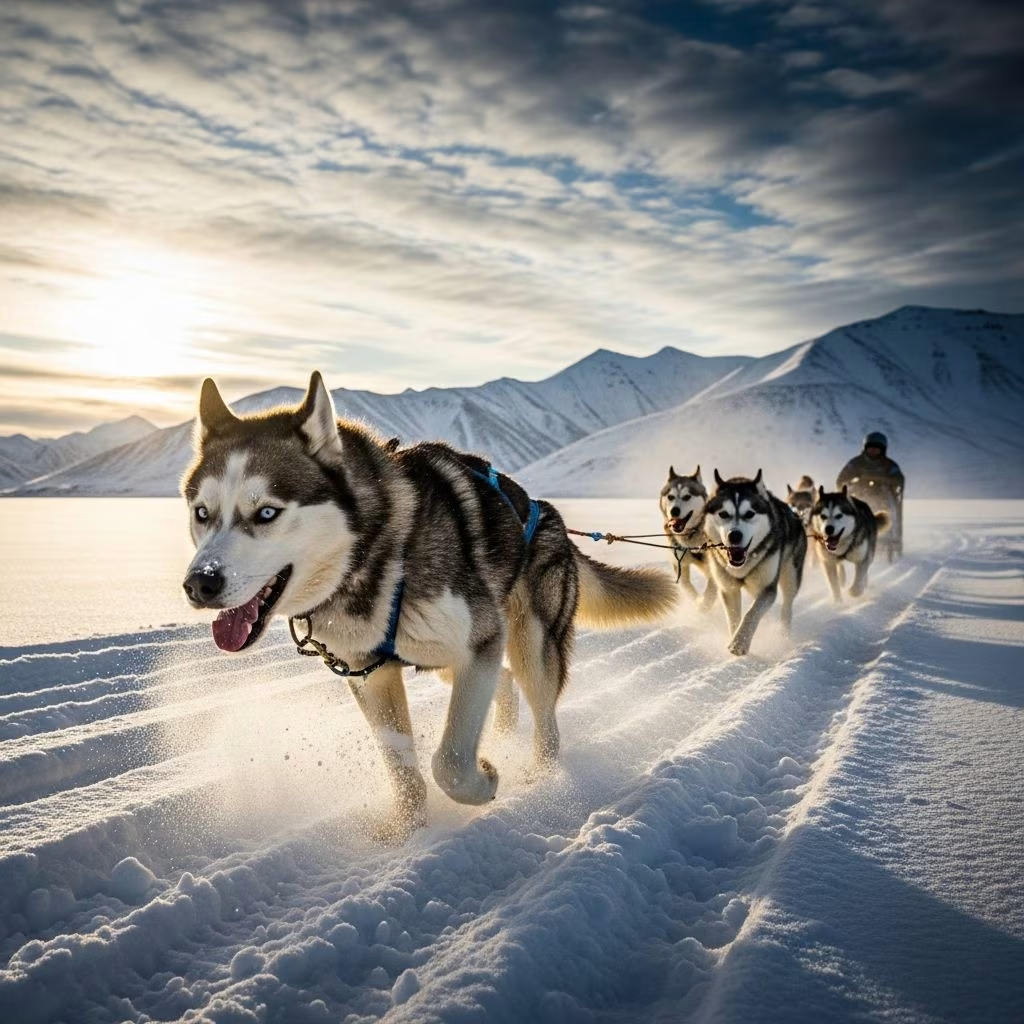
Sled dogs represent the pinnacle of canine athleticism, capable of pulling heavy loads across vast frozen landscapes while enduring subzero temperatures and grueling distances. These remarkable animals combine physical prowess, genetic adaptations, and mental fortitude to excel in one of the most demanding sports on Earth.
The Physiology Behind Unmatched Power
Sled dogs possess a unique musculoskeletal system optimized for relentless performance. Their bodies feature lean, powerful builds with strong hind legs that generate explosive propulsion for hauling sleds through deep snow. These legs, combined with flexible joints, allow for fluid motion over uneven terrain, minimizing energy loss during long hauls.
Endurance is further enhanced by a high proportion of slow-twitch muscle fibers, which resist fatigue during prolonged exertion. Cardiovascular efficiency plays a starring role too: sled dogs boast enlarged lung capacities and robust hearts that deliver oxygen-rich blood to working muscles at peak demand. This setup enables them to maintain high speeds—up to 45 km/h (28 mph)—for hours on end.
Webbed feet with tough pads act like natural snowshoes, providing stability and traction on ice and snow. Their closely spaced toes prevent snow buildup, ensuring consistent forward momentum even in blizzards.
Metabolic Marvels Fueling Epic Journeys
What truly sets sled dogs apart is their metabolic efficiency. Unlike many animals that rely heavily on glycogen stores, these dogs rapidly switch to fat metabolism after initial bursts of speed. This “metabolic switch” allows them to burn calories from adipose tissue, sparing muscle sugars for critical moments and preventing energy crashes during races spanning hundreds of miles.
Research shows sled dogs achieve VO2max values exceeding 200 ml/kg/min—far surpassing elite human athletes like marathoner Eliud Kipchoge, whose is around 70-80 ml/kg/min. Endurance training boosts this by about 10%, while speed at maximum oxygen uptake increases by 21%, enabling all-day runs at high aerobic capacity.
They also manage hypoxia effectively through genetic adaptations that optimize blood flow and oxygen delivery under extreme stress. This prevents cramping and dizziness, even during 1,000-mile races where conditions include glare ice, overflow water, and fog. A diet rich in fatty acids supports this system, providing sustained energy without sugar dependency.
Premier Breeds and Their Specialized Roles
| Breed | Key Strengths | Average Weight | Best Suited For |
|---|---|---|---|
| Siberian Husky | Speed, agility, endurance | 16-27 kg (35-60 lb) | Sprint and long-distance racing |
| Alaskan Malamute | Raw power, heavy freighting | 32-45 kg (70-100 lb) | Weight pulling, freight hauling |
| Greenland Dog | Stamina, cold tolerance | 25-32 kg (55-70 lb) | Arctic expeditions |
Sled dog breeding prioritizes balanced teams where size and gait match for efficiency. Modern selections favor dogs around 25 kg (55 lb), though variations exist for specific tasks: sprinters for quick pulls, freight haulers for massive loads, and distance runners for multi-day treks.
Pulling Power: Feats and Limits
A typical sled dog pulls 3-5 times its body weight in standard conditions, but trained competitors shatter records. In weight-pulling events, they’ve hauled over 2,000 pounds—more than 1,000% of their own mass—demonstrating superhuman strength relative to size.
- Breed Influence: Malamutes excel in raw power; Huskies in sustained speed.
- Training Impact: Gradual load increases build strength safely.
- Team Dynamics: Coordinated gaits amplify collective force.
Factors like terrain, weather, and conditioning dictate limits. Elite teams cover 100+ miles daily in races like the Iditarod, pulling sleds with mushers, gear, and supplies.
Training Regimens for Peak Performance
Preparing sled dogs involves progressive conditioning starting with light loads in controlled settings. Handlers emphasize socialization for teamwork, as dogs must synchronize in 8-16 animal teams. Key drills include:
- Graduated weight sessions to prevent injury.
- Terrain variety: snow, ice, hills for adaptability.
- Rest-recovery cycles mimicking race demands.
Mental traits are honed too—trainability, communication via barks and body language, and toughness against pain or fatigue. Dogs learn to maintain tight tuglines, pulling maximally on command for starts or climbs. Nutrition focuses on high-fat diets to fuel their efficient metabolism.
Genetic and Behavioral Adaptations
Sled dogs’ edge stems from evolved traits: altered temperature perception for cold tolerance, innate grit for pushing through overflow ice or steep grades, and danger awareness without panic. They exhibit rapid recovery, functioning on minimal high-energy food during stable work-rest cycles.
These aren’t just physical; behavioral genetics foster pack harmony and musher responsiveness, turning raw power into orchestrated precision.
Famous Races Showcasing Abilities
The Iditarod Trail Sled Dog Race epitomizes their prowess: 1,000 miles across Alaska in 8-15 days, navigating blizzards and mountains. Winners average 100 miles daily, with dogs resting 4-6 hours between runs. Other events like the Yukon Quest test similar limits, highlighting endurance over speed.
Weight-pulling competitions reveal brute strength, while sprint races showcase velocity—up to 28 mph bursts.
Caring for Sled Dog Athletes
Beyond the trail, care mirrors their demands: high-fat diets (up to 10,000-12,000 calories daily during races), paw protection, and veterinary checks for joint health. Off-season fitness prevents atrophy, with cross-training like swimming or biking. Mushers prioritize welfare, adhering to rest mandates in sanctioned events.
FAQs
What enables sled dogs to run for days without stopping?
Their fat-metabolizing efficiency, high VO2max, and hypoxia resistance allow sustained energy from fats, not just sugars.
How much can a sled dog team pull?
Teams of 12-16 dogs haul 1,000+ pounds including musher and supplies over long distances.
Are sled dogs born athletes or made through training?
Genetics provide the foundation (e.g., muscle fibers, gait), but rigorous training unlocks full potential.
Which breed is best for beginners?
Siberian Huskies offer a balance of manageability and endurance for novice mushers.
Do sled dogs enjoy their work?
Yes—selective breeding and positive reinforcement tap into their high drive and pack instincts.
Sled dogs embody nature’s engineering marvels, blending brawn, biochemistry, and bravery. Their legacy in exploration and sport continues to inspire, proving that with the right traits, even the harshest environments bow to determination.
References
- Sled dog – Wikipedia — Wikipedia. 2023-10-01. https://en.wikipedia.org/wiki/Sled_dog
- How Much Weight Can a Sled Dog Pull? Understanding Canine Strength and Performance — Houndsy. 2023-01-15. https://www.houndsy.com/blogs/modern-tails/how-much-weight-can-a-sled-dog-pull-understanding-canine-strength-and-performance
- Dogs need these 7 traits to survive the ultimate endurance sport — Inverse. 2019-03-12. https://www.inverse.com/science/the-science-behind-sled-dogs
- Sleddog Traits that Matter — Seppala Kennels. 2022-05-20. https://seppalasleddogs.com/seppalakennels/articles/sleddog-traits-that-matter.htm
- Comparative Physiology — Dogs go Woof — Veohtu. 2021-11-10. https://www.veohtu.com/dogsgowoof.html



