

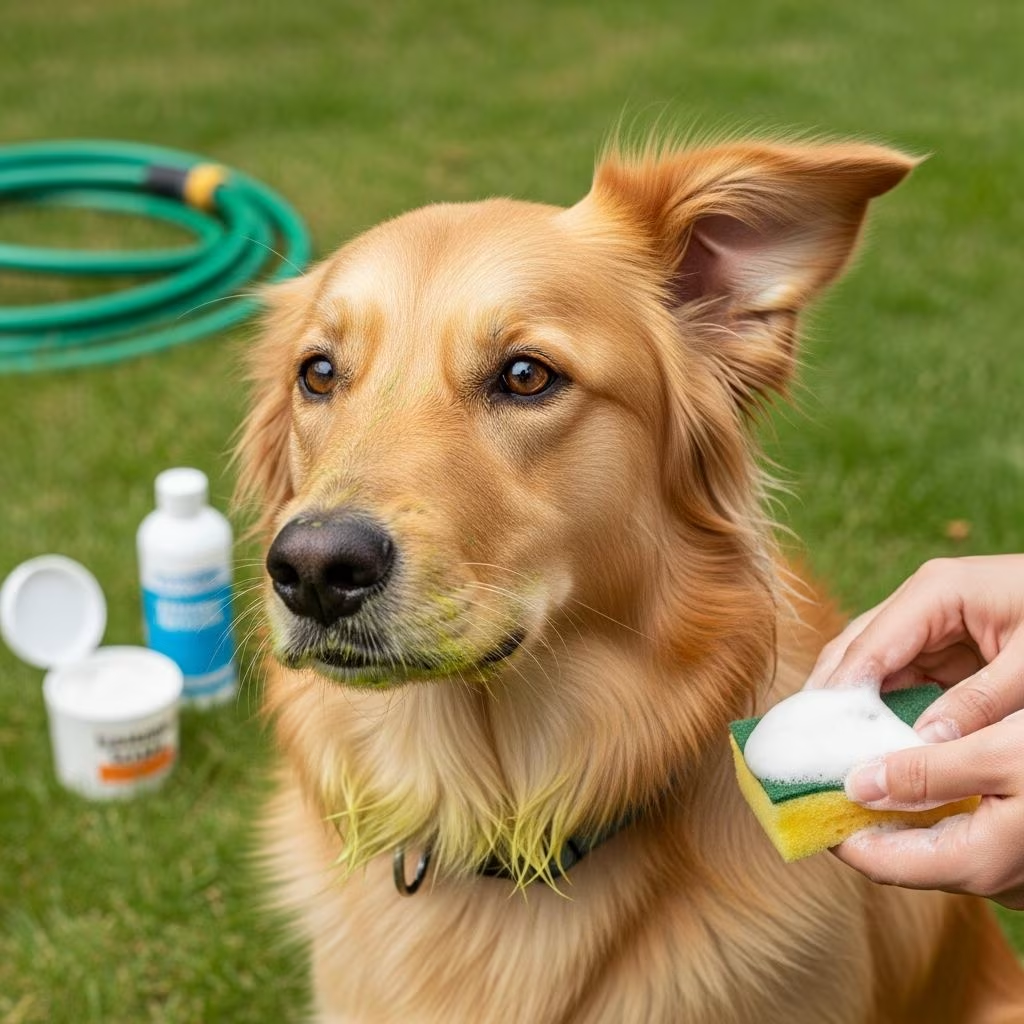
Encountering a skunk at night can turn a peaceful walk into a pungent nightmare for dog owners. Skunk spray, a potent thiol-based oil, clings stubbornly to fur and skin, releasing a sulfurous stench that permeates everything it touches. Prompt action is crucial not just for odor control but also to safeguard your dog’s well-being from potential irritation or rarer complications like anemia. This guide equips you with science-backed strategies, homemade solutions, and expert precautions drawn from veterinary and animal welfare authorities.
Recognizing the Signs of Skunk Exposure
When a skunk deploys its defensive spray, dogs often exhibit immediate reactions. Common indicators include excessive drooling, squinting, pawing at the face, rolling on the ground, or temporary vision impairment if the spray hits the eyes. These stem from the spray’s irritating thiols, which inflame mucous membranes.
- Eye involvement: Redness, swelling, or profuse tearing requires urgent flushing with cool water for 15-20 minutes to alleviate discomfort.
- Mouth and throat: Vomiting, nausea, or heavy salivation signals possible ingestion; monitor closely.
- Skin and fur: Oily residue that worsens in smell when wet, prompting scratching or restlessness.
Less frequent but serious symptoms—lethargy, pale gums, dark urine, or weakness—may emerge hours or days later due to red blood cell damage (Heinz body anemia or methemoglobinemia). These necessitate immediate veterinary evaluation, as per ASPCA guidelines. Always verify rabies vaccinations, given skunks’ carrier potential.
Why Common Remedies Fail
Instinct might lead to hosing down your dog or reaching for tomato juice, but these exacerbate the problem. Skunk spray’s thiol compounds are hydrophobic oils that don’t mix with water; rinsing spreads them deeper into the coat, intensifying the odor. Tomato juice merely masks temporarily without neutralizing, leaving a messy residue.
| Myth | Why It Fails | Evidence-Based Alternative |
|---|---|---|
| Water bath or hose | Spreads oil without removal | Dry pat-down first, then chemical neutralizer |
| Tomato juice | Weak masking; stains fur | Peroxide-baking soda mix |
| Regular pet shampoo | Water-based; locks in smell | Dish soap-enhanced de-skunk formula |
Step-by-Step De-Skunking Protocol
Act outdoors to contain the chaos. Gather supplies: 3% hydrogen peroxide (fresh, not expired), baking soda, grease-cutting dish soap (e.g., Dawn), rubber gloves, towels, and pet shampoo. Never store the mixture—it fizzes and builds pressure in sealed containers, risking explosion.
- Isolate and assess: Keep your dog outside. Pat excess spray with paper towels (no rubbing, to avoid embedding oil). Flush eyes with tepid water if affected.
- Prepare the neutralizer: Combine 1 quart 3% hydrogen peroxide, ¼ cup baking soda, and 1-2 teaspoons dish soap. Mix in an open bucket until bubbling.
- Apply thoroughly: Wearing gloves, massage into fur from collar back, avoiding eyes. Let sit 5 minutes for chemical reaction to break down thiols.
- Rinse copiously: Use lukewarm water until suds-free. Note: Peroxide may lighten dark fur slightly but is skin-safe.
- Follow-up shampoo: Bathe with pet shampoo, rinse, and dry in a warm area to prevent chilling.
- Repeat if needed: Stubborn odors may require a second round or commercial products like Nature’s Miracle.
For vinegar alternative (if peroxide unavailable): Dilute 1:1 with water, apply, rinse—but it’s less effective.
Health Risks and When to Call the Vet
Most exposures cause mild, transient issues: conjunctivitis, drooling, or nausea resolving in hours. However, thiols can oxidize hemoglobin in red blood cells, leading to anemia in vulnerable dogs (e.g., small breeds or those with pre-existing conditions). Symptoms like collapse or bloody urine demand emergency care.
- Rabies risk: Skunk bites are rare but possible; ensure core vaccines are current.
- Allergic reactions: Swelling or breathing difficulty warrants antihistamines or steroids from a vet.
- Eye damage: Persistent squinting or cloudiness needs professional flushing and meds.
VCA Hospitals advise vet visits for facial sprays or behavioral changes. ASPCA’s Poison Control notes anemia risks up to 48 hours post-exposure.
Cleaning Your Home and Belongings
Odor infiltration happens fast via fur, collars, or paws. Ventilate immediately: Open windows, deploy fans. Neutralize with:
- Bowls of white vinegar or activated charcoal absorbers placed strategically.
- Boiled vinegar pots to steam-neutralize air.
- Wash fabrics in vinegar-hot water cycles; steam-clean carpets.
Discard porous items if odor persists. Vehicle interiors? Wipe surfaces with the de-skunk mix (diluted), then shampoo.
Prevention Strategies for Future Encounters
Skunks are nocturnal foragers in suburbs, peaking spring-fall. Minimize risks:
- Secure property: Fence gaps, remove food attractants like pet bowls or fallen fruit.
- Leash walks: Avoid dawn/dusk in wooded areas; use lights.
- Deterrents: Motion lights, citrus peels, or commercial repellents around yards.
- Training: Recall commands to interrupt curiosity.
Humane relocation by pros if skunks persist—never harm these beneficial insectivores.
Commercial Products vs. DIY: A Comparison
| Option | Pros | Cons | Best For |
|---|---|---|---|
| DIY Peroxide Mix | Cheap, immediate, effective on thiols | May bleach fur; fresh prep needed | Home emergencies |
| Nature’s Miracle | Store-bought, enzyme-based, pet-safe | Requires purchase; variable strength | Repeat exposures |
| Vinegar Solution | Always available, mild | Weaker neutralization | Skin-only or backups |
Frequently Asked Questions (FAQs)
Will the smell go away on its own?
Yes, but it lingers weeks to months as oils degrade slowly. Proactive treatment accelerates removal.
Is skunk spray toxic to dogs?
Typically irritating, not lethal, but can cause anemia or eye damage in severe cases. Vet check for symptoms.
Can I use this on cats?
Similar protocol, but consult vet first—cats groom excessively, risking ingestion.
How long to wait before indoor access?
Until fully rinsed and shampooed; air-dry outside if possible.
Does bleach work?
No—harsh on skin; stick to peroxide formulas.
References
- What to Do If Your Dog Gets Sprayed by a Skunk — ASPCA. 2023-10-15. https://www.aspca.org/news/what-do-if-your-dog-gets-sprayed-skunk
- De-Skunking Your Dog — Humane Society. 2024-05-20. https://www.humaneworld.org/en/resources/de-skunking-your-dog
- How to Remove Skunk Odor From Your Pet — MedVet. 2024-08-12. https://www.medvet.com/remove-skunk-odor/
- Skunk Spray Remedies — Serenity Animal Hospital. 2023-11-05. https://serenityanimalhospital.net/skunk-recipe/
- What to Do If Your Dog Gets Skunked — VCA Animal Hospitals. 2024-02-28. https://vcahospitals.com/resources/conditions-dog/skin-coat/what-to-do-if-your-dog-gets-skunked
- Remove Skunk Smell From Dog – Using Household Products — McCann Dog Training (YouTube). 2018-05-11. https://www.youtube.com/watch?v=5JQCJ-IqnAA



