
Skunk Spray on Dogs: Removal Guide
Comprehensive steps to neutralize skunk odor from your dog, prevent health issues, and protect your home from lingering smells.
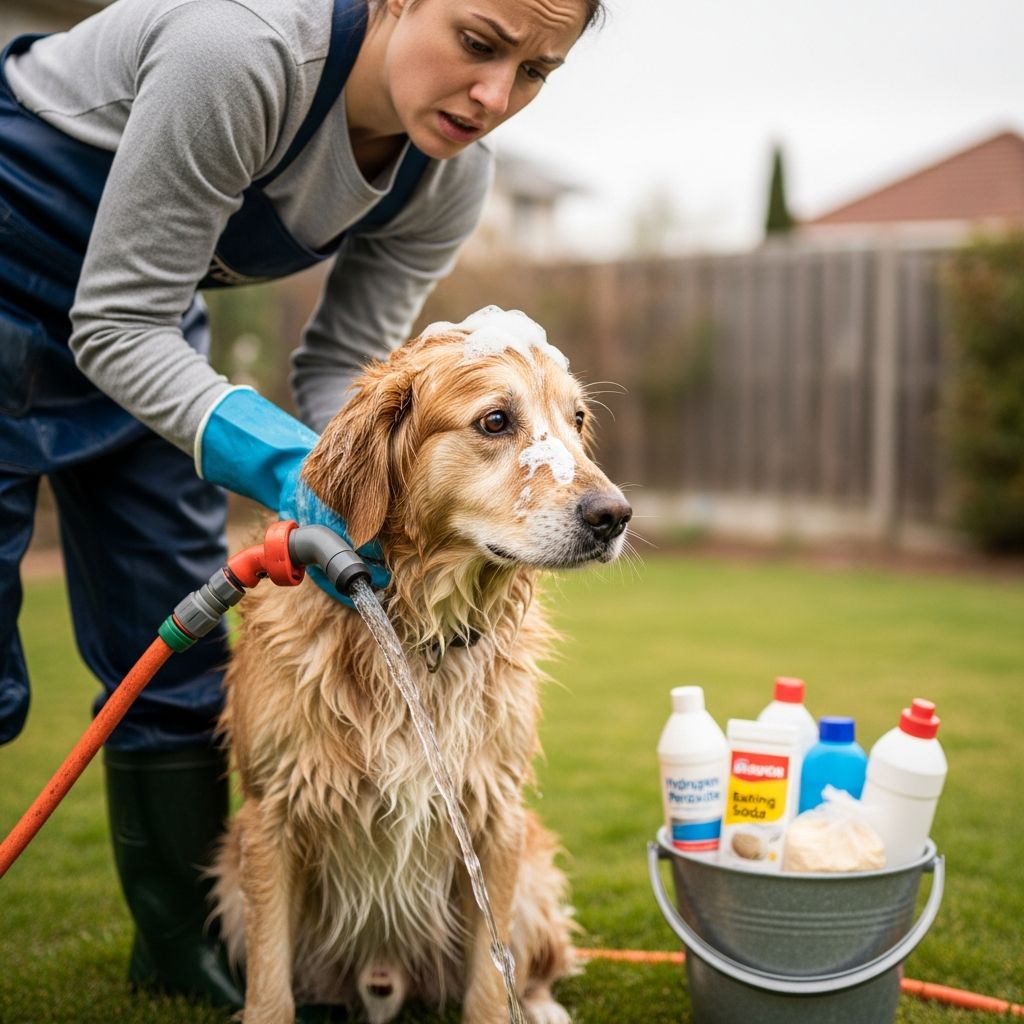
When a dog encounters a skunk, the result is often an overpowering odor that permeates fur, skin, and surroundings. Skunk spray contains thiols, oily compounds that cling stubbornly to surfaces, making removal challenging but achievable with the right approach. This guide provides pet owners with detailed strategies to handle the situation promptly and effectively.
Understanding Skunk Spray and Its Impact
Skunk spray is a defensive secretion from anal glands, accurate up to 10 feet and detectable from a mile away due to its volatile thiols. These oils do not dissolve in water, so initial rinsing spreads the smell rather than eliminating it. On dogs, it causes immediate irritation, especially if it contacts eyes or mouth, leading to redness, drooling, or vomiting.
In rare cases, inhalation or ingestion can damage red blood cells, causing anemia symptoms like lethargy, pale gums, or dark urine, which may appear hours or days later. Always monitor your pet post-exposure and consult a vet if unusual signs develop.
Immediate Response After Spraying
Act quickly outdoors to contain the odor. Keep your dog outside to avoid indoor contamination. Check for eye or mouth involvement first: flush eyes with cool water if needed. Pat dry excess spray with paper towels without rubbing, as this drives oils deeper.
- Avoid hosing down immediately, as water disperses the oil.
- Do not bring the dog inside until treated.
- Assess for injuries from the encounter.
Proven Deodorizing Recipe
The most effective home remedy, endorsed by veterinary sources, uses a chemical reaction to neutralize thiols. Mix fresh:
- 1 quart 3% hydrogen peroxide
- ¼ cup baking soda
- 1-2 teaspoons liquid dish soap (e.g., Dawn)
Wear gloves, apply to affected areas, work into fur to skin level, and let sit 5 minutes while bubbling. Rinse thoroughly with warm water, avoiding eyes, ears, mouth. Follow with pet shampoo bath. Note: This may bleach dark fur and cannot be stored in closed containers.
| Ingredient | Amount | Purpose |
|---|---|---|
| 3% Hydrogen Peroxide | 1 quart | Oxidizes thiols |
| Baking Soda | ¼ cup | Releases oxygen for reaction |
| Dish Soap | 1-2 tsp | Cuts through oils |
Step-by-Step Deodorizing Process
- Eye Rinse: Flush face with cool water if sprayed.
- Prepare Mix: Combine ingredients in an open bowl.
- Apply: Massage into fur for 5 minutes.
- Rinse: Use lukewarm water copiously.
- Shampoo: Bathe with pet shampoo, rinse, dry thoroughly.
- Repeat if Needed: For heavy spraying.
Dry in a warm, sunny area to prevent chilling. The odor should fade significantly, though faint traces may linger weeks without treatment.
Alternative Methods and Products
If ingredients are unavailable, dilute vinegar (1:1 with water) works temporarily but less effectively. Commercial removers like Nature’s Miracle target thiols specifically. Avoid tomato juice, as it masks rather than neutralizes and creates mess. For persistent smells, multiple applications or professional grooming may be required.
Health Risks and Veterinary Care
Most exposures cause only odor and mild irritation, but watch for:
- Eye redness, squinting, pawing.
- Excessive salivation, vomiting.
- Anemia signs: weakness, pale gums, discolored urine.
Seek immediate vet care for facial sprays or symptoms. Ensure rabies vaccination is current, as skunks can carry it. Anemia from spray is rare but treatable with supportive care.
Cleaning Your Home and Belongings
Skunk odor clings to fabrics, walls, and air. Act fast:
- Pet Items: Wash bedding in hot water with vinegar; air dry.
- Surfaces: Wipe with peroxide-baking soda mix.
- Air: Use fans, vinegar bowls, or ozone generators cautiously.
- Clothes: Launder separately with enzyme cleaners.
Ventilate thoroughly. Baking soda sprinkled on carpets, vacuumed after 24 hours, absorbs residues.
Preventing Future Skunk Encounters
Skunks are nocturnal, attracted to food, water, shelter in urban areas. Reduce risks:
- Secure trash, pet food overnight.
- Illuminate yards with motion lights; skunks avoid bright areas.
- Install motion sprinklers for deterrence.
- Block den sites with kitty litter or gravel.
- Supervise nighttime walks; keep dogs leashed.
Professional exclusion for recurring skunks prevents repeat incidents.
Frequently Asked Questions (FAQs)
Will the smell go away on its own?
Yes, but it takes weeks to months as oils evaporate slowly. Treatment accelerates removal dramatically.
Is the peroxide mix safe for all dogs?
Generally yes, but avoid eyes/mouth; may bleach fur. Puppies or sensitive skin: consult vet.
What if my dog was sprayed in the eyes?
Flush with saline or water, then vet visit for potential ulcers.
Can I use this on cats?
Similar process, but cats are more sensitive; vet advice recommended.
How often to reapply treatment?
Once or twice; over-application risks skin dryness.
Long-Term Odor Management
Post-treatment, use odor-neutralizing sprays weekly. Regular baths with oatmeal shampoo soothe skin. Monitor for dermatitis from residue.
In summary, prompt action with the peroxide recipe restores your dog’s freshness. Prevention ensures worry-free adventures.
References
- How to Remove Skunk Odor From Your Pet – MedVet — MedVet. 2023. https://www.medvet.com/remove-skunk-odor/
- What to Do When a Skunk Sprays Your Dog — Humane Society. 2023. https://www.humaneworld.org/en/resources/de-skunking-your-dog
- What Do If Your Dog Gets Sprayed by a Skunk — ASPCA. 2023. https://www.aspca.org/news/what-do-if-your-dog-gets-sprayed-skunk
- Skunk Smell Removal: My Dog Was Sprayed! — ABC Wildlife. 2023. https://abcwildlife.com/blog/skunk-smell-removal-my-dog-was-sprayed-what-do-i-do/
- What to do if your dog gets skunked — VCA Animal Hospitals. 2023. https://vcahospitals.com/resources/conditions-dog/skin-coat/what-to-do-if-your-dog-gets-skunked
- Skunk Recipe — Serenity Animal Hospital. 2023. https://serenityanimalhospital.net/skunk-recipe/
Similar Articles








Read full bio of medha deb




