

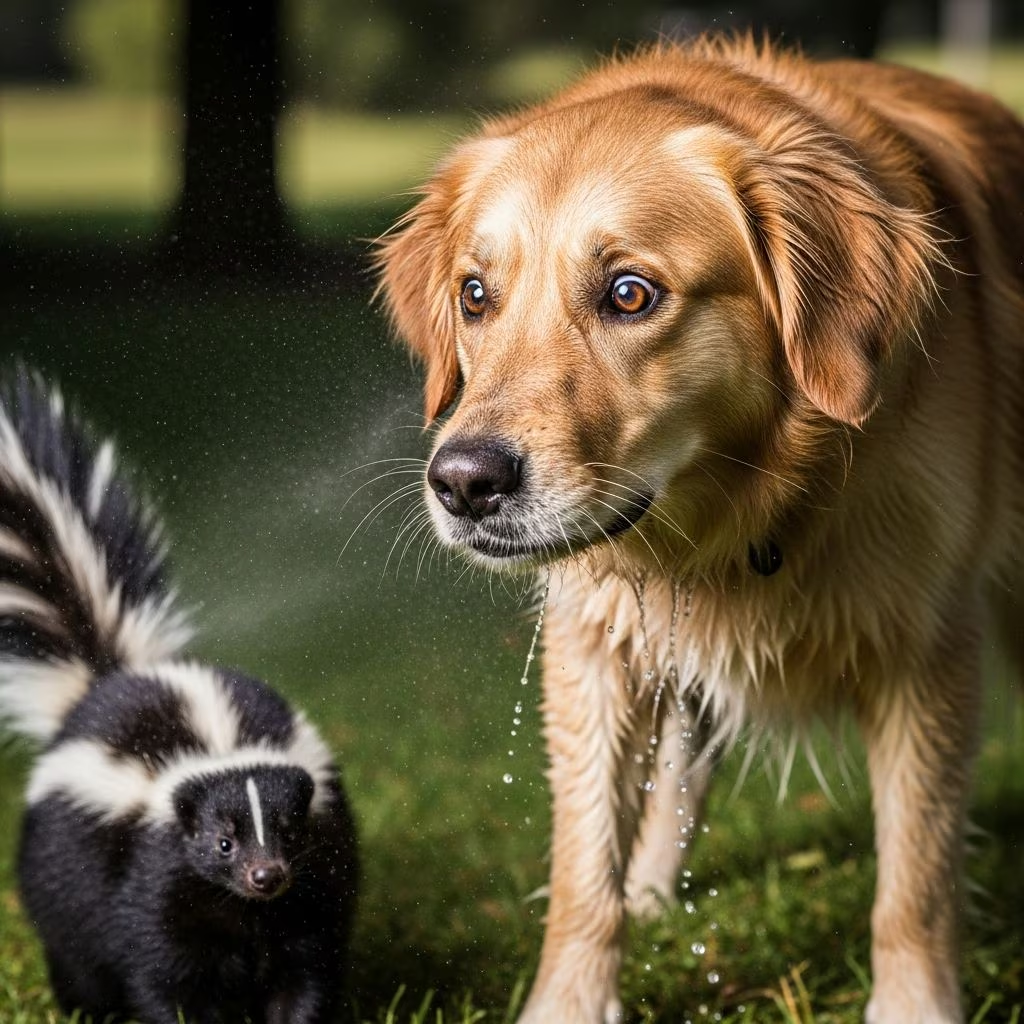
Understanding Skunk Spray and Your Dog
Skunks are known for their potent defense mechanism—a spray that contains sulfur-based compounds called thiols. When a dog encounters a skunk, the result can be far more serious than just an unpleasant odor. Understanding what skunk spray does to your dog and how to respond quickly can make a significant difference in your pet’s health and recovery.
Skunk spray is composed primarily of thiols, which are oil-based compounds that readily penetrate and irritate mucous membranes and sensitive tissues. The smell can linger for weeks if not properly treated, and the chemical composition means that simply bathing your dog with regular shampoo won’t effectively remove it. More importantly, the spray can cause various health complications ranging from minor irritation to serious medical conditions.
Common Effects of Skunk Spray on Dogs
When a dog is sprayed by a skunk, the effects are often immediate and noticeable. Most commonly, dogs are sprayed on or around the head, which makes the situation more serious since the face contains sensitive areas including eyes, nose, and mouth.
Eye and Respiratory Issues
The eyes are particularly vulnerable to skunk spray damage. When the spray contacts the eyes, it acts similarly to tear gas, causing excessive tearing, burning sensations, and redness. Dogs may experience ocular edema (swelling around the eyes), conjunctivitis (inflammation of the eye lining), and squinting. In more severe cases, skunk spray can damage the delicate cornea of the eye and cause temporary blindness. Many affected dogs will rub their faces frantically, roll on the ground, and show signs of significant discomfort.
If the spray is inhaled, dogs may experience nasal irritation, sneezing, and difficulty breathing. The thiols irritate mucous membranes throughout the respiratory tract, leading to coughing and respiratory distress in some cases.
Gastrointestinal and Neurological Reactions
When dogs get sprayed in or around the mouth, or if they lick their fur and ingest the spray, they may experience nausea, vomiting, and excessive drooling. The compounds in skunk spray irritate the gastrointestinal tract, causing temporary stomach upset. Some dogs may also experience foaming at the mouth and behavioral changes indicating they are experiencing significant distress.
Skin Irritation
Prolonged contact with skunk spray can lead to skin irritation, particularly in dogs with sensitive skin or underlying skin conditions. While usually mild compared to eye and respiratory effects, skin irritation can cause additional discomfort to an already distressed pet.
Serious Health Risks: When to Worry
While most cases of skunk spray exposure result in temporary discomfort, certain serious health risks require immediate attention.
Methemoglobinemia and Anemia
One of the most serious potential complications from skunk spray exposure is a condition called methemoglobinemia, which is a type of anemia in which the dog’s red blood cells are destroyed. This occurs when the compounds in skunk spray damage red blood cells, causing them to lyse (break down). Methemoglobinemia can develop a few hours to 24 hours after exposure and is more likely to occur after heavy spray, multiple exposures, or if the dog ingests the spray.
Signs of skunk spray-induced anemia include weakness, lethargy, vomiting, disorientation, rapid breathing, and discoloration of the skin and mucous membranes. Affected dogs may have pale or brownish gums and their tongue may appear blue or muddy in color. While this condition is rare, it is potentially life-threatening and requires immediate veterinary intervention.
Eye Damage and Temporary Blindness
Direct exposure to the eyes can cause temporary blindness, corneal ulcers, and lasting eye damage if not treated promptly. This is why immediate flushing of the eyes is critical when a dog is sprayed in the face.
Infection Risk and Disease Exposure
While rare, skunks can carry rabies and other diseases. If a skunk sprayed your dog, it’s important to check for scratches or bite wounds. Any injuries present warrant an immediate veterinary visit to rule out infections or disease transmission. Keeping your dog’s rabies vaccinations current is essential protection against potential transmission from wildlife encounters.
Immediate First Aid for Skunk-Sprayed Dogs
If your dog is sprayed by a skunk, quick action is essential. The first priority is to prevent further exposure and minimize absorption of the spray.
Eye Flushing
If your dog received a direct hit to the eyes or mouth, swift action is needed since thiols are absorbed readily across the eyes and through mucous membranes. Immediately flush your dog’s eyes and mouth with copious amounts of tepid tap water for at least 20 minutes. Use gentle, continuous flushing to dilute and remove as much of the spray as possible. This simple step can significantly reduce eye damage and discomfort.
Bathing and Odor Removal
The most effective remedy for removing skunk odor involves a special mixture that chemically neutralizes the thiols rather than simply masking the smell. According to veterinary recommendations, mix one quart of three percent hydrogen peroxide, one-quarter cup of baking soda, and one to two teaspoons of dish soap. Lather this mixture thoroughly into your pet’s coat and wait five minutes, then rinse with copious amounts of water. Repeat if necessary.
Important safety notes: This mixture may bleach your pet’s hair but is not toxic to their skin. Never put this mixture in a closed container, as the chemical reaction can create pressure and potentially cause the container to burst. Make a fresh batch if your pet gets sprayed again, as this mixture does not store well.
What NOT to Do
Avoid using tomato juice, vinegar, or other common home remedies, as these are ineffective and can increase skin irritation. Standard dog shampoo will not remove skunk odor and may spread the spray further. Do not delay seeking veterinary care if your dog shows any signs of serious reaction.
When to Seek Veterinary Care
You should promptly take your dog to a veterinarian if they show any of the following symptoms:
- Persistent eye irritation: If your dog’s eyes remain red, swollen, or painful after initial flushing, professional treatment is needed. Veterinarians can perform specialized eye flushing and provide medications to prevent infection and promote healing.
- Excessive drooling or vomiting: While mild drooling and nausea are common, persistent vomiting or difficulty swallowing may indicate more serious issues requiring treatment.
- Difficulty breathing: Some dogs are more sensitive to skunk spray and may experience respiratory distress. Any signs of labored breathing warrant immediate veterinary attention.
- Signs of anemia: Weakness, lethargy, pale gums, rapid breathing, or discoloration of mucous membranes after being sprayed require urgent veterinary evaluation and blood work.
- Evidence of bites or scratches: If your dog was in close contact with a skunk, a veterinary exam can help rule out infections or exposure to diseases like rabies.
Professional Veterinary Treatment
Dogs sprayed by skunks need a veterinary evaluation to check for any serious side effects that might require treatment. Your veterinarian will pay special attention to the state of your dog’s eyes, which can worsen in the hours following a skunk attack. Although very few dogs develop Heinz body formation (a type of anemia) from skunk attacks, your veterinarian may perform lab tests to check your pet’s blood count and evaluate vital signs.
If your dog seems at risk for anemia or other serious conditions, it might need a blood transfusion or other intravenous treatment. Supportive care such as fluids, antiemetics for nausea, and eye medications may be prescribed. Most dogs recover well with proper treatment, though monitoring is important during the first 24-48 hours after exposure.
Prevention Strategies
The best approach to skunk spray incidents is prevention. Consider these practical steps to reduce the risk of your dog encountering a skunk:
- Keep your dog indoors during dawn and dusk, when skunks are most active
- Supervise outdoor time, especially in areas where skunks are known to inhabit
- Ensure your dog is up to date on all vaccinations, particularly rabies
- Avoid leaving pet food or garbage outside, as this attracts skunks
- Consider fencing your yard to keep wildlife at a distance
- Train your dog to respond to recall commands to prevent chasing wildlife
Recovery and Prognosis
Most dogs recover from skunk spray exposure without lasting effects when treated promptly. The temporary symptoms typically resolve within a few days to weeks, depending on severity. However, the lingering odor can persist for weeks even after treatment if the proper neutralizing solution isn’t used. Following up with your veterinarian as recommended ensures your dog’s complete recovery and helps prevent complications.
Frequently Asked Questions (FAQs)
Q: Can skunk spray cause permanent blindness in dogs?
A: While temporary blindness can occur, permanent blindness from skunk spray is uncommon. Prompt eye flushing with water and veterinary treatment typically prevent lasting damage. However, corneal ulcers and scarring can occur if left untreated.
Q: How long does the smell from skunk spray last on dogs?
A: Without proper treatment, the smell can linger for weeks. Using the proper hydrogen peroxide and baking soda mixture significantly reduces odor, though some scent may persist for several days even with treatment.
Q: Is skunk spray toxic to dogs?
A: While not typically life-threatening, skunk spray can cause significant discomfort and serious health complications if ingested or if exposure is heavy. Methemoglobinemia, though rare, is a serious condition that requires veterinary care.
Q: Can I use tomato juice to remove skunk odor?
A: No, tomato juice does not effectively neutralize skunk odor and may actually increase skin irritation. The proper hydrogen peroxide, baking soda, and dish soap mixture is the most effective solution.
Q: Should I be concerned about rabies if my dog is sprayed by a skunk?
A: While the spray itself doesn’t transmit rabies, close contact with a skunk could result in bites or scratches. Check your dog for any injuries and keep vaccinations current. Contact your veterinarian if any injuries are present.
Q: How quickly should I treat my dog after being sprayed?
A: Immediate action is best. If sprayed in the eyes or mouth, flush with tepid water immediately. For general deodorizing, treat your dog within a few hours of exposure for the best results.
Q: What are the signs my dog needs emergency veterinary care after skunk spray exposure?
A: Seek immediate care if your dog shows difficulty breathing, persistent severe eye irritation, signs of anemia (pale gums, weakness, lethargy), continuous vomiting, or evidence of bite wounds from the skunk.
References
- What to Do If Your Dog Gets Sprayed by a Skunk — ASPCA. 2024. https://www.aspca.org/news/what-do-if-your-dog-gets-sprayed-skunk
- Skunk Spray and Your Dog — VCA Animal Hospitals. 2024. https://vcahospitals.com/know-your-pet/skunk-spray-and-your-dog
- Help! My Dog Was Sprayed by a Skunk–What Do I Do? — Chewy Pet Education. 2024. https://www.chewy.com/education/dog/health-and-wellness/dog-was-sprayed-by-skunk
- Skunk spray toxicosis: An odiferous tale — DVM360. 2024. https://www.dvm360.com/view/skunk-spray-toxicosis-odiferous-tale
- The Effects of Skunk Spray on Dogs — DoveLewis Emergency Animal Hospital. 2024. https://www.youtube.com/watch?v=FfcEMsfwnsw
- What To Do If Your Dog Is Sprayed By A Skunk — Veazie Veterinary Clinic. 2024. https://veazievet.com/blog/what-to-do-if-your-dog-is-sprayed-by-a-skunk/
- How to Remove Skunk Odor From Your Pet — MedVet. 2024. https://www.medvet.com/remove-skunk-odor/



