

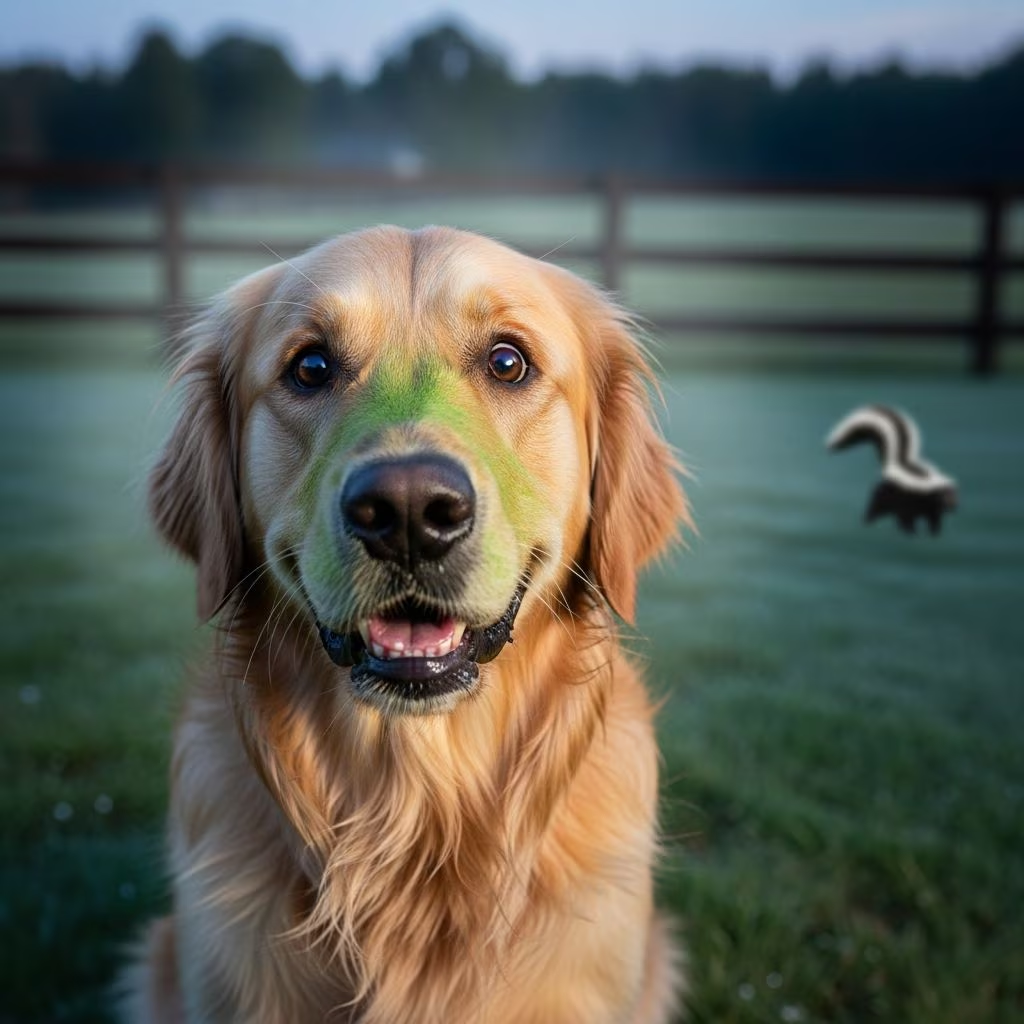
Skunk encounters are a common outdoor mishap for dogs, leaving behind an infamous odor and potential health risks. Skunk spray contains thiols—potent sulfur-based compounds designed to repel predators—that can irritate a dog’s eyes, skin, respiratory system, and even lead to severe conditions like hemolytic anemia in rare cases. Understanding the immediate effects, proper decontamination, and warning signs ensures your dog’s quick recovery.
What Is Skunk Spray Made Of?
Skunk spray is primarily composed of thiols (also called mercaptans), volatile sulfur-containing chemicals that produce the characteristic rotten egg smell. These compounds are produced in the skunk’s anal glands and can be sprayed accurately up to 10-15 feet away. Skunks, including juveniles, can control the spray as a targeted stream or mist. Water alone worsens the odor by activating thiol bonds, explaining why regular baths prolong the stench.
Beyond the smell, thiols are oily and readily absorbed through mucous membranes, skin, and when ingested. This absorption can trigger systemic effects, making prompt action essential.
Immediate Effects of Skunk Spray on Dogs
Dogs are often sprayed near the head during confrontations, leading to rapid symptoms. Common immediate reactions include:
- Eye irritation: Redness, swelling, excessive tearing, corneal damage, or temporary blindness, acting like tear gas.
- Respiratory distress: Sneezing, nasal irritation, coughing from inhaled spray.
- Oral issues: Drooling, foaming, nausea, vomiting if sprayed in the mouth.
- Skin reactions: Irritation, especially on sensitive or pre-existing condition areas.
- Behavioral signs: Face rubbing, rolling on the ground, pawing at eyes or mouth.
These effects appear within minutes to hours. Keep your dog calm outdoors initially to prevent further spread or ingestion.
Serious Health Risks: Anemia and More
While most skunk sprays cause temporary discomfort, heavy exposure, ingestion, or multiple hits pose life-threatening dangers. The thiols can destroy red blood cells (hemolytic anemia or methemoglobinemia), leading to:
- Lethargy, weakness, disorientation
- Vomiting, diarrhea
- Pale or brown gums, discolored urine/skin (muddy or blue tint)
- Rapid breathing, collapse.
Symptoms of anemia may emerge 3-24 hours post-exposure, more common in swallowed spray or large volumes. Hospitalization, blood tests, transfusions may be required.
Other risks include bacterial infections from uncleaned spray or wounds, corneal ulcers, allergic reactions. Skunks carry rabies (though spray doesn’t transmit it), so check for bites—rabies spreads via saliva. Vaccinated dogs are protected, but inspect thoroughly.
First Aid: What to Do Right Away
Act fast to minimize absorption:
- Assess and isolate: Confirm spraying, keep dog outside to avoid indoor contamination.
- Flush eyes/mouth: Use cool water or saline for 10-15 minutes if hit directly. Avoid rubbing.
- Prevent ingestion: Muzzle if needed, rinse mouth gently.
- Check for wounds: Look for bites under fur.
Do not use water-based baths first—it spreads and fixes the smell. Proceed to decontamination only after flushing.
Skunk Odor Removal: Proven Deodorizing Recipes
Commercial products like Nature’s Miracle Skunk Odor Remover work well, but DIY mixtures neutralize thiols effectively. Always test on a small fur patch first.
Classic Recipe (Veterinarian-Approved)
Mix:
- 1 quart 3% hydrogen peroxide
- ¼ cup baking soda
- 1-2 tsp dish soap (Dawn preferred for degreasing)
Apply to dry coat, work in for 5-10 minutes (avoid eyes), rinse thoroughly. One treatment often suffices; repeat if needed. Neutralizes in 15-30 minutes.
Alternative Mixtures
| Method | Ingredients | Best For |
|---|---|---|
| Apple Cider Vinegar Rinse | Equal parts ACV and water | Mild sprays, final rinse |
| Massengill Douche | Store-bought, vinegar-based | Head/fur-safe |
| Vanilla Extract | Diluted in water post-bath | Odor masking |
For fabrics/collars: Machine wash with vinegar. Tomato juice is ineffective myth.
When to See a Vet Immediately
Rush to a vet or emergency clinic if:
- Sprayed directly in eyes/mouth
- Heavy spray, ingestion suspected
- Anemia signs: weakness, pale gums, vomiting >2 hours, lethargy
- Bite wounds, swelling, breathing issues
- Symptoms persist post-decon.
Bloodwork checks PCV levels. Most recover fully with supportive care.
Prevention Tips for Skunk Encounters
Reduce risks:
- Supervise nighttime walks (skunks nocturnal)
- Secure yard fencing (skunks dig under)
- Use motion lights/repellents (peppermint oil, citrus)
- Keep rabies vaccines current
- Avoid burrows/known skunk areas.
Train “leave it” command for wildlife.
Frequently Asked Questions
Can skunk spray kill a dog?
Rarely, but severe anemia from heavy/ingested spray can be fatal without treatment. Prompt vet care is key.
How long does skunk smell last on dogs?
With proper decon, 1-3 days; improper methods prolong to weeks.
Is skunk spray toxic if my dog licks it?
Yes, ingestion risks anemia, vomiting. Prevent licking during treatment.
What if skunk spray gets in my dog’s eyes?
Flush with water/saline immediately, then vet for exam.
Can I bathe my skunked dog with regular shampoo?
No, it spreads oil. Use peroxide mixture first.
Long-Term Care After Skunk Exposure
Monitor 48-72 hours for delayed anemia. Hydrate, offer bland diet if vomiting. Sensitive dogs may need anti-itch meds or eye drops. Professional grooming aids full removal.
Skunk spray episodes are distressing but manageable with knowledge. Stay vigilant outdoors for happy, stink-free adventures.
References
- Skunk Spray and Dogs — Mallard Creek Animal Hospital. 2023. https://www.mallardcreekvet.com/dr-waldens-blog/skunk-spray-and-dogs
- How Dangerous is Skunk Spray to Dogs? — Skedaddle Wildlife. 2023. https://www.skedaddlewildlife.com/location/rexdale/blog/how-dangerous-skunk-spray-to-dogs/
- Help! My Dog Was Sprayed by a Skunk — Chewy. 2024. https://www.chewy.com/education/dog/health-and-wellness/dog-was-sprayed-by-skunk
- What to Do If Your Dog Gets Sprayed by a Skunk — ASPCA. 2024. https://www.aspca.org/news/what-do-if-your-dog-gets-sprayed-skunk
- Skunk Spray and Your Dog — VCA Animal Hospitals. 2024. https://vcahospitals.com/know-your-pet/skunk-spray-and-your-dog



