

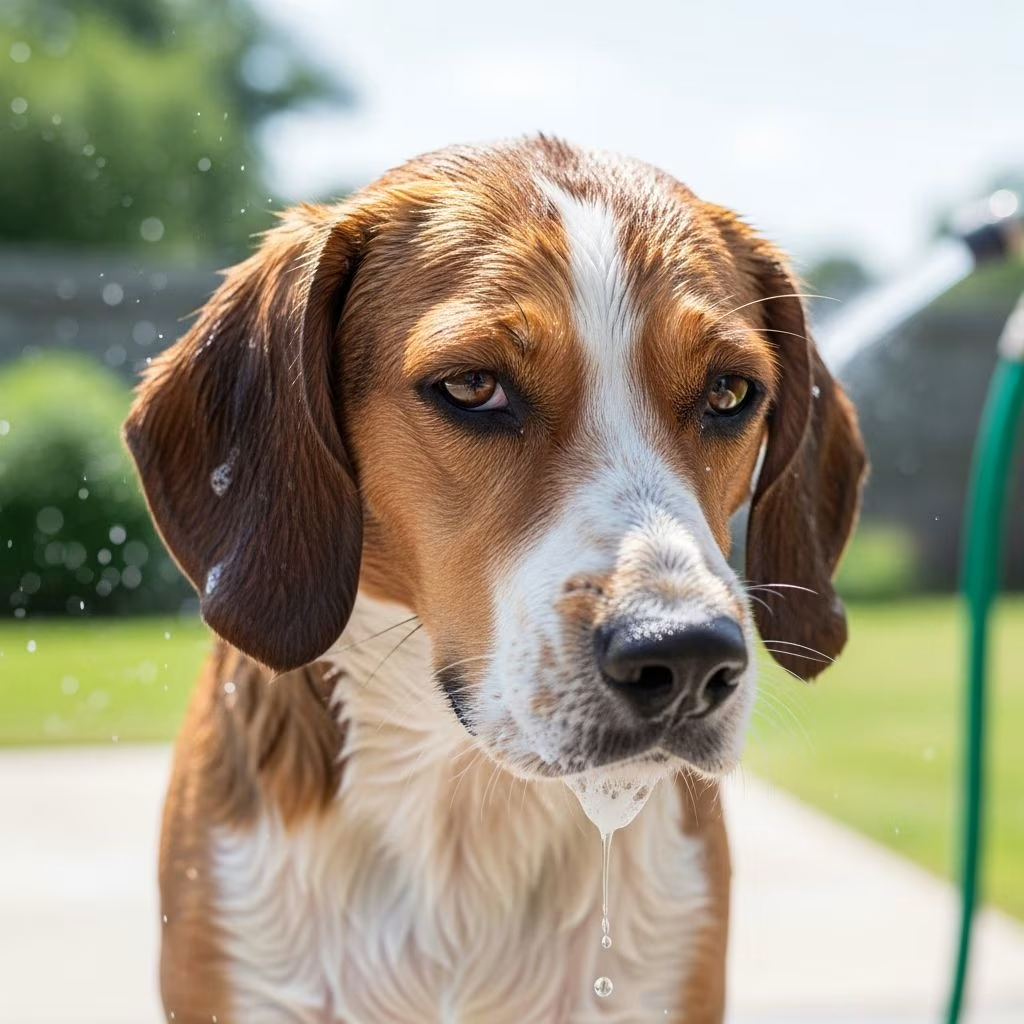
Encountering a skunk in your yard can quickly turn into a challenging situation when your curious dog becomes the target of the animal’s potent defense mechanism. Skunk spray is notoriously difficult to remove because of its oily composition and the chemical compounds it contains. Understanding the most effective deodorization methods can help you quickly restore your dog’s freshness and prevent the smell from spreading throughout your home.
Understanding Skunk Spray Chemistry and Its Effects
Skunk spray consists of sulfur-containing organic compounds called thiols that bind strongly to hair, skin, and fabric. These compounds are responsible for the characteristic pungent odor that can persist for weeks if not properly treated. The oily nature of the spray makes it exceptionally sticky and resistant to standard water-based cleaning methods.
When a dog is sprayed directly in the face, the experience can be particularly distressing. The immediate effects may include temporary blindness, excessive eye watering, nasal irritation, and nausea from inhaling the concentrated odor. Some dogs may experience mild to moderate eye redness and swelling that typically resolves within a few hours, though severe reactions warrant veterinary attention.
Immediate Actions to Take After Spraying
The first moments following a skunk encounter are critical for minimizing both the spread of odor and potential physical discomfort to your pet. Your immediate response will significantly influence how effectively you can remove the smell.
Securing Your Dog and Assessing Injuries
Immediately move your dog to a secure outdoor space to prevent the odor from being transferred indoors throughout your home. Thoroughly examine your pet for any visible injuries or signs of distress. If your dog’s eyes appear red, irritated, or are producing excessive tears, flush them gently with cool water for several minutes to rinse away any spray residue. While this is an important first step, continued eye problems or severe reactions should prompt a call to your veterinarian.
Why Water Alone Is Insufficient
A common misconception involves using water as the primary cleaning agent for skunk spray removal. Water alone, or worse, hot water, can actually intensify the problem by spreading the oily compounds across a larger surface area of the coat. Additionally, water can seal the oily compounds into the fur rather than breaking them down chemically. This is why traditional remedies like tomato juice are ineffective—they merely mask the odor temporarily without addressing the underlying chemical compounds.
The Science-Backed Deodorization Formula
The most effective home-based solution for skunk odor removal was developed through understanding the chemical properties of skunk spray. Rather than simply covering the smell, the proper formula chemically alters the thiols, rendering them odorless and effectively neutralizing the odor at its source.
Essential Ingredients and Measurements
The proven formula consists of three key components that work together to break down and neutralize the compounds in skunk spray:
- Hydrogen Peroxide (3% solution): One quart of 3% hydrogen peroxide serves as the primary active ingredient that chemically oxidizes and neutralizes the thiols in skunk spray.
- Baking Soda: One-quarter cup of baking soda works synergistically with the hydrogen peroxide to enhance the neutralization process and acts as a deodorizing agent.
- Liquid Dish Soap: One to two teaspoons of dish soap (preferably Dawn brand) breaks down the oily compounds and helps distribute the solution evenly throughout your dog’s coat.
It’s important to note that hydrogen peroxide should be fresh and not oxidized, as older bottles that have been open for extended periods lose their effectiveness. The dish soap functions similarly to how rescue workers treat oil-covered birds during environmental disasters, making it particularly well-suited for addressing the oily nature of skunk spray.
Critical Safety Precautions
Never prepare this mixture in advance or store it in a sealed container. The combination of hydrogen peroxide and baking soda generates gas bubbles that can cause pressure to build inside a bottle, creating an explosion risk. Always mix the ingredients fresh in an open bucket or large bowl immediately before application. Additionally, ensure the solution does not contact your dog’s eyes, as hydrogen peroxide can cause irritation. Protective rubber gloves should be worn during the entire application process.
Step-by-Step Application Process
Preparation Phase
Before beginning the treatment, gather all necessary supplies in your outdoor cleaning area. This includes the freshly prepared deodorizing solution, a bucket or bowl for mixing, rubber gloves, towels, and pet shampoo. Ensure your dog remains outside during this entire process to prevent odor transfer throughout your home. Have cool water readily available for rinsing, and position yourself in an area where water runoff will not create problems.
Application and Contact Time
Thoroughly wet your dog’s entire coat with the prepared solution, paying particular attention to areas where the spray made direct contact. Work the mixture through the fur completely, ensuring it reaches the skin beneath the coat. The solution should remain in contact with the hair for approximately 10 to 15 minutes, which allows sufficient time for the chemical reaction to break down the thiol compounds. During this waiting period, you should begin to notice the skunk odor diminishing significantly.
It’s essential not to leave the solution on too long, as hydrogen peroxide can bleach darker coat colors over extended contact periods. Check frequently to ensure the mixture hasn’t been in contact for more than 15 minutes, and remain vigilant to prevent the solution from reaching your dog’s eyes.
Rinsing and Secondary Cleaning
After the appropriate contact time has elapsed, rinse your dog thoroughly with cool tap water until all traces of the solution have been removed from the coat. Following the initial rinse with the deodorizing formula, wash your dog with a standard pet shampoo to remove any remaining oily residue left behind by the skunk spray. While the odor should be neutralized at this point, regular shampoo helps restore the coat’s natural oils and improves overall cleanliness.
Post-Treatment Care and Recovery
Drying and Warming
After completing the cleaning and rinsing process, thoroughly towel-dry your dog to remove excess water. Place your pet in a warm, sunny indoor location for the next two to three hours where they can dry completely and regain body heat. This period is important for your dog’s comfort and helps prevent chilling, particularly if the treatment occurs during cooler weather.
Addressing Secondary Odor Sources
Skunk odor is highly transferable and can cling to collars, harnesses, leashes, and bedding materials. Wash all items your dog comes in contact with using standard laundry detergent combined with baking soda to eliminate lingering smells. This prevents recontamination and ensures complete odor removal from your dog’s environment.
Alternative Approaches and Commercial Solutions
Over-the-Counter Skunk Odor Removers
If you lack the necessary ingredients for the homemade formula, commercial skunk odor removal products offer convenient alternatives. These specialized shampoos and treatments are formulated specifically to target skunk spray compounds and typically require less preparation time. Products like Nature’s Miracle Skunk Odor Remover provide ready-made solutions that follow similar chemical principles to the homemade formula.
Vinegar-Based Alternative
In situations where hydrogen peroxide is unavailable, a vinegar and water solution provides a less effective but still somewhat helpful alternative. Mix vinegar with water and apply similarly to the hydrogen peroxide formula, though results will likely be less satisfactory. Vinegar primarily masks odor rather than chemically neutralizing it, so this approach is best reserved for emergency situations.
Managing Persistent Odors
In some cases, particularly when initial cleaning efforts have been insufficient or when the spray was especially concentrated, residual odor may remain after the first treatment attempt. The initial mistake often involves using water before applying the deodorizing formula, which seals the oily compounds into the fur and prevents subsequent treatment from being fully effective.
For persistent cases, reapplication of the hydrogen peroxide and baking soda formula may be necessary. Ensure you haven’t already wetted your dog with water, as this will interfere with the treatment’s effectiveness. Some owners find that repeating the full process a second time yields superior results to a single application.
It’s worth noting that skunk odor will eventually fade naturally over several weeks or months, though the smell remains unpleasant during this extended timeline. Active treatment dramatically accelerates this natural process, bringing noticeable improvement within hours.
Preventing Future Skunk Encounters
Once your dog has been successfully de-skunked, consider preventive measures to reduce the likelihood of future encounters. Limit unsupervised outdoor time during dawn and dusk when skunks are most active. Ensure your yard doesn’t provide attractive denning locations such as accessible spaces under decks or sheds. Motion-activated lighting and fencing may deter skunks from entering residential areas. Professional wildlife control services can also inspect your property and implement exclusion strategies specific to your situation.
Frequently Asked Questions
Can regular soap be used instead of dish soap in the de-skunking formula?
Regular bar or liquid soap is not recommended as a substitute for dish soap. Dish soap is specifically formulated to break down oils and has surfactant properties superior to regular soaps. Standard soaps may actually intensify the odor rather than reducing it. Stick with dish soap products like Dawn for optimal results.
Is it safe to use this formula on puppies or senior dogs?
The hydrogen peroxide and baking soda formula is generally safe for dogs of all ages when applied carefully to avoid eye contact. However, very young puppies or dogs with sensitive skin conditions should be monitored closely. If your dog has existing skin issues or respiratory problems, consult your veterinarian before treatment. Commercial alternatives may be gentler for animals with special health considerations.
How long does it take for skunk odor to naturally dissipate?
Without active treatment, skunk odor can linger on a dog for several weeks to several months, depending on the intensity of the spray and environmental factors. Professional treatment using the hydrogen peroxide formula typically reduces noticeable odor within hours, making active management far preferable to waiting for natural dissipation.
Should I take my dog to the veterinarian after a skunk spray incident?
A veterinary visit is not always necessary following a skunk spray incident if your dog shows no signs of severe distress or injury. However, if your dog exhibits persistent eye problems, difficulty breathing, vomiting, or signs of an allergic reaction, professional medical evaluation is warranted. When in doubt, contact your veterinarian for guidance specific to your dog’s symptoms and health status.
Will the hydrogen peroxide solution bleach my dog’s fur permanently?
Extended contact with hydrogen peroxide can cause temporary lightening of darker coat colors, but this is usually not permanent if contact time is kept to the recommended 10 to 15 minutes. Limiting exposure time minimizes this risk while still achieving effective odor neutralization. Test the solution on a small, hidden area first if your dog has a particularly dark coat and you’re concerned about bleaching.
References
- What to Do When a Skunk Sprays Your Dog — Humane Society International. https://www.humaneworld.org/en/resources/de-skunking-your-dog
- Dog Got Skunked? DON’T Use Water (At Least, Not at First) — Whole Dog Journal. https://www.whole-dog-journal.com/blog/dog-got-skunked-dont-use-water-at-least-not-at-first/
- Skunk Smell Removal: My Dog Was Sprayed! What Do I Do?! — ABC Wildlife. https://abcwildlife.com/blog/skunk-smell-removal-my-dog-was-sprayed-what-do-i-do/
- Neutralize Skunk Odor — Oakland Animal Hospital. https://oaklandanimal.com/resources/neutralize-skunk-odor/
- Dog Sprayed By Skunk in The Face: What to Do — Sunset Anytime. https://sunsetanytime.com/blog/dog-sprayed-by-skunk-in-the-face/



