

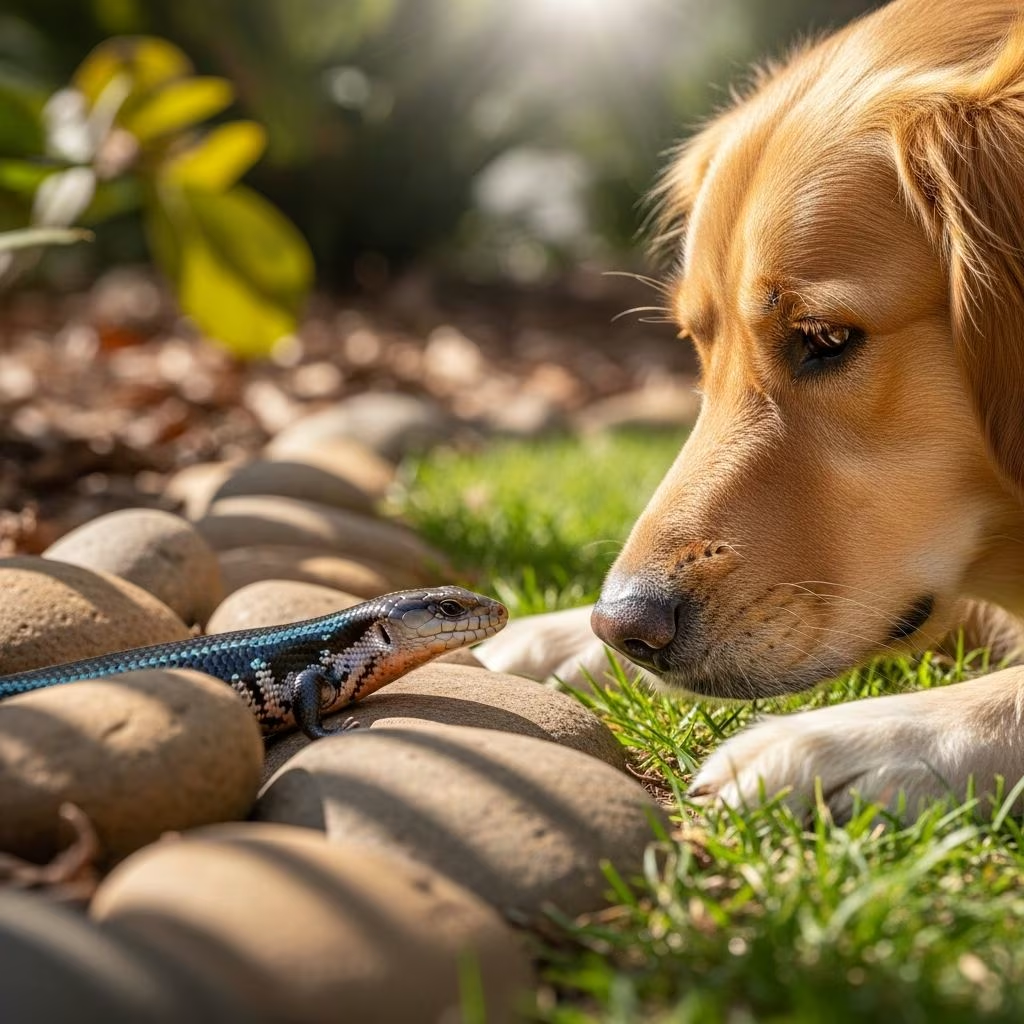
Many dog owners who keep reptiles as pets wonder about the safety of having a skink in the same home as their canine companion. The good news is that skinks are not poisonous or venomous, meaning they do not produce toxins that would harm your dog through accidental contact or ingestion. However, this does not mean that interactions between dogs and skinks are risk-free. Understanding the potential hazards and taking preventive measures is essential for protecting both animals in your household.
Understanding Skink Biology and Toxicity
Skinks belong to the family Scincidae and are among the most commonly kept pet reptiles worldwide. One of their most appealing characteristics is their non-threatening nature from a toxicological standpoint. Unlike some reptiles that produce venom or secrete defensive toxins, skinks lack these dangerous biological mechanisms.
These small to medium-sized lizards do possess teeth, and they can bite when provoked or threatened. However, their bites are typically shallow and do not deliver any venom or toxic compounds. The bite itself is usually not severe enough to cause lasting damage to a dog, particularly larger breeds. Skinks are naturally docile creatures that prefer to flee or hide rather than engage in confrontation, so biting is a last resort defense mechanism.
Behavioral Traits and Defensive Responses
Understanding how skinks behave in stressful situations helps explain their interaction potential with dogs. In their natural habitat, skinks encounter various predators and threats. Their primary survival strategy is evasion—they will run away or seek shelter rather than stand their ground and fight.
When kept in captivity, skinks display similar defensive behaviors. They are most likely to bite when they feel cornered, trapped, or when someone attempts to handle them roughly. A dog’s presence, especially a curious or energetic dog, can trigger stress responses in a pet skink. This stress is more harmful to the skink than any potential injury to the dog.
The Real Health Risk: Bacterial Transmission
While toxicity from skinks is not a concern, bacterial transmission represents a genuine health hazard. Salmonella bacteria is the primary concern when dogs interact with or consume skinks. Reptiles, including skinks, naturally carry Salmonella in their intestinal tracts and shed this bacteria through their feces.
Dogs can contract Salmonella through multiple routes:
- Consuming contaminated material from the skink’s enclosure
- Ingesting the skink itself or its waste products
- Exposure to bacteria on surfaces where the skink has been
- Contact with the skink’s body or secretions
Beyond Salmonella, skinks may carry other potentially harmful pathogens. Research indicates that these reptiles can be vectors for botulism, campylobacteriosis, and leptospirosis. While not all skinks carry these organisms, the possibility exists, making precautions worthwhile.
Recognizing Salmonella Infection in Dogs
If your dog has had contact with a skink and subsequently becomes ill, recognizing the signs of Salmonella infection is critical for prompt veterinary care.
Symptoms of Salmonella poisoning in dogs include:
- Vomiting and loss of appetite
- Severe diarrhea, sometimes with blood
- Fever and abdominal pain
- Rapid weight loss
- Extreme thirst and dehydration
- Lethargy and weakness
In severe cases, sepsis (blood infection) can develop, leading to shock, seizures, coma, or unconsciousness. Puppies, senior dogs, and dogs with compromised immune systems face higher risks of serious complications. If your dog exhibits any of these symptoms following skink contact, contact your veterinarian immediately.
What to Do If Your Dog Touches or Bites a Skink
Should your dog come into contact with a skink, whether through a gentle touch or an accidental bite, following the right steps can minimize complications.
Immediate Actions:
- If your dog has bitten the skink, examine the bite area on your dog’s mouth and gums for puncture wounds or bleeding
- Gently clean any bite wounds with warm soapy water and apply a mild disinfectant
- Monitor your dog closely over the following days for signs of infection or illness
- Wash your hands thoroughly after handling either animal
- Clean any surfaces or objects that may have contacted the skink’s waste
In most cases, a simple bite from a skink requires only basic first aid. Your dog’s saliva and immune system will typically handle minor wounds without intervention. However, if you observe swelling, infection, or if you’re uncertain about the severity, consult your veterinarian for professional assessment.
Cohabitation: Can Dogs and Skinks Live Together?
Whether dogs and skinks can safely share a home depends on several factors specific to your situation. This is not a simple yes-or-no question, as individual circumstances vary considerably.
Factors Supporting Cohabitation:
- Your dog has a calm, non-aggressive temperament
- Your dog shows minimal prey drive toward small animals
- The skink’s enclosure is secure and completely inaccessible to your dog
- You can maintain strict separation between the animals’ living spaces
- Your dog respects barriers and does not attempt to breach enclosures
Factors Against Cohabitation:
- Your dog has a strong prey drive (common in hunting or terrier breeds)
- Your dog is highly energetic or excitable around small animals
- You lack adequate space to maintain separate, secure enclosures
- Your dog has a history of chasing or attacking small creatures
- Your living situation makes supervision and containment difficult
Dogs are inherently predatory animals, and this instinct does not disappear through domestication. Even the sweetest, most well-trained dog retains the biological drive to hunt. A small skink, by nature’s design, appears as potential prey to many dogs. This instinct can override training and socialization.
Practical Safety Measures for Multi-Pet Households
If you decide to keep both a dog and a skink, implementing robust safety protocols protects both animals.
Enclosure Security:
- House your skink in a heavy, durable enclosure that cannot be tipped over or breached by a determined dog
- Use locking mechanisms on all enclosure doors and lids
- Place the enclosure in a room your dog does not access unsupervised
- Ensure the enclosure is elevated off the ground if possible, further reducing your dog’s ability to reach it
- Regularly inspect the enclosure for any damage or wear that might create access points
Hygiene and Sanitation:
- Designate specific tools for skink cage cleaning that are kept separate from your dog’s belongings
- Wash your hands thoroughly after handling your skink or cleaning its enclosure
- Clean skink enclosures in areas your dog cannot access
- Dispose of skink waste immediately and safely
- Regularly disinfect surfaces that may contact your skink or its waste products
Supervision and Separation:
- Never leave your dog and skink unsupervised in the same room
- During skink handling, keep your dog in a separate area
- Maintain consistent routines so your dog does not become obsessed with the skink’s enclosure
- Use baby gates or closed doors to maintain physical separation when needed
Health Monitoring and Veterinary Care
Proactive health monitoring helps catch problems early. After any contact between your dog and skink, observe your dog for behavioral changes or physical symptoms over the following 5-7 days, as this is when bacterial infections typically manifest.
Keep detailed records of:
- The date and nature of any contact between your dog and skink
- Any behavioral changes in your dog
- Appetite and eating habits
- Digestive health and stool consistency
- Energy levels and activity patterns
If you notice anything abnormal, contact your veterinarian with this information. Providing context about skink exposure helps your vet make a faster, more accurate diagnosis.
Stress Reduction for Your Skink
While the focus often remains on protecting your dog from bacterial exposure, remember that your skink’s welfare matters too. A dog’s presence—even at a distance—can cause chronic stress in a pet skink. This stress weakens the skink’s immune system and can lead to illness, reduced appetite, and behavioral problems.
Providing your skink with a quiet, undisturbed space separate from your dog allows it to thrive. Skinks are not social animals and do not benefit from interaction with other species. They prefer solitude in a properly equipped, secure environment.
Frequently Asked Questions
Are all skink species equally safe around dogs?
Yes, all skink species are non-venomous and non-poisonous. However, some species are more defensive than others. Larger skinks may bite harder, and some species are more prone to biting when threatened. Generally, captive-bred skinks acclimated to handling are safer choices than wild-caught individuals.
What should I do if my dog swallows a skink?
Contact your veterinarian immediately. Provide information about the skink’s origin (pet or wild) and when ingestion occurred. Your vet can assess the risk of bacterial infection and monitor your dog accordingly. Do not induce vomiting unless directed by your veterinarian.
How long after skink contact might symptoms appear?
Bacterial infections typically develop within 2-7 days of exposure, though some dogs may show symptoms sooner. Monitor your dog closely during this period and contact your vet if any concerning signs develop.
Is it safe for my dog to drink from water bowls in the same room as a skink?
Yes, provided your dog’s water bowl is completely separate from the skink’s water source. Ensure skink waste does not contaminate areas where your dog eats or drinks. Regular cleaning prevents cross-contamination.
Can dogs catch parasites from skinks?
While parasites are less commonly transmitted from skinks to dogs than bacteria, it is theoretically possible. Maintaining good hygiene practices and preventing direct contact or consumption minimizes this risk.
Conclusion: Balanced Cohabitation Through Careful Planning
Skinks themselves are not poisonous or venomous, making them fundamentally safe in terms of toxicity. The challenges of keeping dogs and skinks in the same household stem not from the skink’s toxins, but from bacterial transmission risks and the dog’s predatory instincts. With careful planning, secure enclosures, rigorous hygiene practices, and honest assessment of your dog’s temperament, many households successfully maintain both species.
The key to success lies in recognizing that dogs and skinks have fundamentally different needs and behaviors. Rather than forcing interaction, respecting these differences by maintaining appropriate separation and safety measures benefits both animals. Your dog gains a household companion without the stress of an inappropriate predator-prey dynamic, and your skink enjoys a stress-free environment conducive to health and longevity.
References
- Are Skinks Poisonous or Dangerous? — A-Z Animals. 2024. https://a-z-animals.com/blog/are-skinks-poisonous-or-dangerous/
- Can Dogs Live with Skinks? — Wag Walking. 2024. https://wagwalking.com/sense/can-dogs-live-with-skinks
- Are Skinks Poisonous to Dogs? Vet-Verified Dangers and Toxicity — Dogster. 2024. https://www.dogster.com/dog-health-care/are-skinks-poisonous-to-dogs
- My Dog Ate a Lizard: Salmonella Signs, Risks & Treatment — Vetic. 2024. https://vetic.in/blog/pet-health/my-dog-ate-a-lizard-signs-of-salmonella-infection-in-dogs-from-lizards/
- My Pet Ate a Lizard — What Should I Do? — Hills Pet Nutrition. 2024. https://www.hillspet.com/pet-care/healthcare/are-lizards-poisonous-to-dogs-and-cats



