

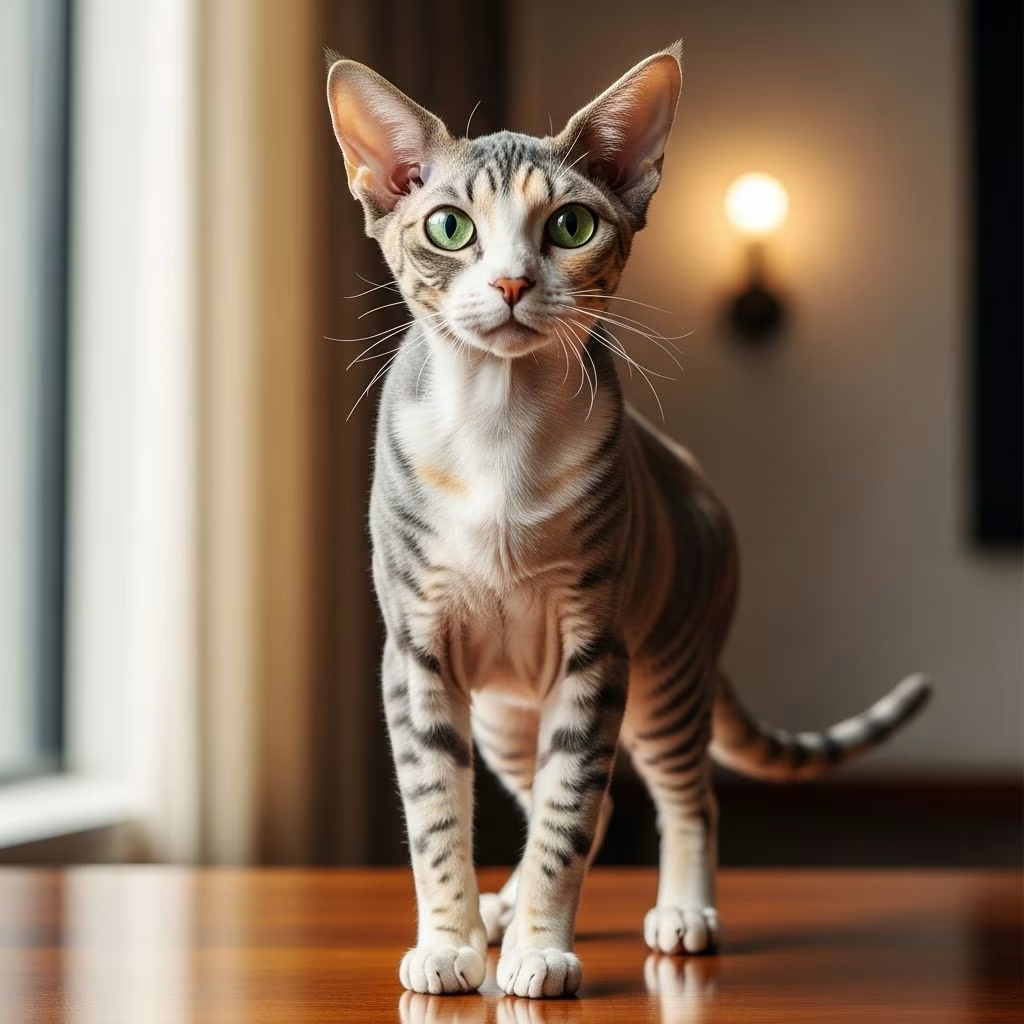
The feline world continues to introduce increasingly unique and specialized breeds, and among the most intriguing recent additions is the Skinderlop, a designer cat that combines the distinctive traits of two already extraordinary breeds. This hybrid represents the convergence of the nearly hairless Sphynx with the distinctive folded ears of the Scottish Fold, resulting in an animal that many describe as resembling an alien creature straight from science fiction. Understanding this breed requires exploring its origins, physical characteristics, behavioral patterns, and the specialized care it demands.
The Origins and Brief History of the Skinderlop Breed
The Skinderlop is an exceptionally new development in the feline breeding world. The first documented Skinderlop emerged in December 2012, making this breed less than a decade and a half old. This relatively recent creation occurred when breeders intentionally crossed the Sphynx cat with the Scottish Fold, seeking to combine the unique aesthetic qualities of both parent breeds into a single animal. Given that both parent breeds themselves are modern creations (the Sphynx being developed in the 1960s and the Scottish Fold originating in 1961), the Skinderlop represents a fascinating convergence of mid-twentieth-century breeding innovations.
The breeding of Skinderlops remains controversial within the broader cat breeding community. Concerns have been raised about the implications of deliberately combining two breeds with substantial genetic modifications, particularly given the health challenges associated with both parent breeds. However, breeders who support the hybrid argue that the resulting cats possess desirable characteristics and can thrive with appropriate care.
Currently, Skinderlops remain exceptionally difficult to locate. These cats are among the rarest domestic cat hybrids available, and prospective owners typically face significant challenges in finding reputable breeders. The scarcity of this breed contributes to its elevated market price, typically ranging from $1,500 to $2,000 per kitten.
Physical Characteristics and Appearance
Perhaps the most striking aspect of the Skinderlop is its unusual appearance. These cats possess a distinctive look that results from inheriting specific physical traits from each parent breed. Understanding their physical makeup is essential for potential owners considering this hybrid.
Size and Body Structure
Skinderlops are small cats, typically weighing between 5 to 9 pounds and standing approximately 18 inches in height. This compact size makes them suitable for apartment living and smaller households. Despite their diminutive stature, these cats possess a surprisingly athletic and agile build, enabling them to move with notable grace and speed.
Skin and Coat Characteristics
Contrary to what their name might suggest, Skinderlops are not entirely hairless. Instead, they possess an extremely fine layer of downy hair that covers their body, similar to the Sphynx parent breed. This thin coat provides minimal insulation against temperature extremes, which has significant implications for their care requirements. The visible skin texture often appears wrinkled and warm to the touch, contributing to their distinctive appearance.
The color variations in Skinderlops can be remarkably diverse. Potential coat colors include white, tan, beige, black, gray, orange, silver, cream, and brown, among others. Some individuals may display bicolor or tricolor patterns, adding further visual interest to this already distinctive breed.
Facial Features and Distinctive Traits
One of the most characteristic features inherited from the Scottish Fold parent is the cat’s folded ears, which fold forward rather than standing erect as in typical cats. Combined with their hairless appearance, these folded ears create an otherworldly expression that many liken to science fiction depictions of extraterrestrial creatures. The round head shape characteristic of Scottish Folds, when paired with the wrinkled appearance of the Sphynx, creates a uniquely striking feline aesthetic that is immediately recognizable.
Temperament and Personality Traits
Understanding the behavioral characteristics of Skinderlops is crucial for anyone considering bringing one into their household. These cats inherit personality traits from both parent breeds, resulting in a unique temperamental combination.
Social and Interactive Nature
Skinderlops are renowned for their exceptional social nature and interactive personalities. These cats genuinely enjoy human companionship and actively seek out opportunities for physical contact with their owners. They are notably affectionate and appreciate being held, cuddled, and involved in family activities. This strong social orientation makes them excellent companions for individuals and families who desire an engaged and interactive pet.
Intellectual Capacity and Playfulness
The Sphynx parent contributes significant intelligence to the hybrid, resulting in cats that are notably clever and curious. Skinderlops demonstrate strong problem-solving abilities and enjoy mental stimulation through interactive play and puzzle-based enrichment activities. Their playful nature, combined with a touch of mischievousness, means they require regular engagement and environmental enrichment to prevent boredom-related behavioral issues.
Compatibility with Different Living Situations
Skinderlops adapt well to various living arrangements. They are suitable for families with children, single individuals, and households with multiple pets. Their adaptable nature and friendly disposition make them capable of thriving in diverse environments, provided their specialized care requirements are met.
Care Requirements and Environmental Considerations
Owning a Skinderlop requires a commitment to meeting specific care needs that differ substantially from those of conventional cat breeds. These requirements stem directly from the breed’s minimal hair coverage.
Bathing and Skin Maintenance
Regular bathing is essential for maintaining Skinderlop health and hygiene. The lack of a protective hair coat means that oils, dirt, and debris accumulate directly on the skin rather than being dispersed through fur. Regular baths, typically weekly or bi-weekly, help prevent skin issues and maintain skin health. During bathing, owners should use lukewarm water and gentle, pH-balanced cat shampoos designed for sensitive skin.
Temperature Sensitivity and Environmental Protection
One of the most critical aspects of Skinderlop care involves managing their extreme sensitivity to temperature fluctuations. Without adequate fur protection, these cats experience cold easily during winter months and suffer from rapid heat exposure during summer. Providing appropriate clothing during cooler seasons is not merely cosmetic; it is a genuine health necessity. Sweaters and jackets designed for cats help maintain body temperature and prevent cold-related illness.
Indoor housing is strongly recommended for Skinderlops. Outdoor exposure presents multiple hazards, including rapid sunburn, temperature extremes, and potential injury to their delicate skin. Owners should maintain consistent indoor temperatures, avoiding drafts and excessive heat exposure.
Sun Protection and Skin Care
The exposed skin of Skinderlops is highly susceptible to sunburn. While moderate sunlight exposure provides beneficial vitamin D synthesis, direct, prolonged sun exposure should be avoided. Window coverings and limiting direct window access during peak sun hours help protect the cat’s delicate skin.
Health Considerations and Genetic Concerns
Potential Skinderlop owners must understand that this hybrid breed carries health risks inherited from both parent breeds. The combination of these genetic backgrounds creates specific vulnerabilities that require informed owner awareness.
Inherited Musculoskeletal Conditions
The folded ear characteristic of Scottish Folds is caused by a genetic mutation affecting cartilage development. Importantly, research indicates that all folded-ear cats, including Skinderlops, may be affected by osteochondrodysplasia, a progressive musculoskeletal disease that can result in skeletal deformities and pain. This condition manifests with varying severity, and its presence in Skinderlop breeding lines represents a significant health concern.
Dermatological Vulnerabilities
The hairless coat inherited from the Sphynx parent predisposes Skinderlops to various skin conditions, including bacterial infections. The exposed skin requires vigilant monitoring for signs of infection, irritation, or unusual lesions. Regular skin examinations and prompt veterinary attention to any skin abnormalities are essential.
Additional Health Monitoring
Spinal curvature abnormalities and chest bone deformities have been documented in some Skinderlops and related breeds. Prospective owners should discuss these possibilities with veterinarians and ensure that any breeder provides health screening documentation for parent cats.
Sex Differences and Individual Variation
Male and female Skinderlops display minimal physical or behavioral differences. Slight size variations may occur, with males occasionally being somewhat larger than females, but these differences are negligible. Temperament, care requirements, and lifespan do not appear to vary significantly between sexes.
Lifespan and Longevity Expectations
Based on parent breed data, Skinderlops typically live approximately 8 to 14 years, though some sources estimate lifespans around 12 years. This range reflects the uncertainty inherent in a relatively new hybrid breed and the potential health complications that may arise from combining two genetically modified parent breeds. Individual longevity depends significantly on quality care, veterinary oversight, and the absence of serious health complications.
Socialization and Multi-Pet Households
Skinderlops demonstrate capacity for getting along with other pets, though early socialization is crucial. Introducing Skinderlops to other animals during kittenhood, combined with appropriate training, produces the best outcomes. These cats are not typically aggressive and generally integrate well into multi-pet households when proper introductions and ongoing management occur.
Selecting a Reputable Breeder
Given the rarity of Skinderlops and the associated health concerns, selecting a reputable breeder is absolutely critical. Prospective owners should:
- Request health screening documentation for parent cats
- Inquire about genetic testing and health guarantees
- Ask for references from previous puppy purchasers
- Visit breeding facilities in person if possible
- Verify breeder credentials and affiliations with legitimate cat registries
- Discuss the breeder’s awareness of and approach to managing inherited health conditions
Essential Responsibilities of Skinderlop Ownership
Bringing a Skinderlop into one’s home represents a significant commitment. These cats require more specialized care than conventional breeds, and potential owners must acknowledge and accept these responsibilities. Required provisions include adequate nutrition, appropriate shelter, environmental safety, veterinary care, and consistent emotional engagement and attention. Skinderlops thrive when owners provide patient, loving care tailored to their specific needs.
FAQ Section
What makes Skinderlops so expensive?
The high price ($1,500–$2,000) reflects the rarity of the breed, the specialized breeding required, and the care and health screening that responsible breeders undertake.
Can Skinderlops go outside?
Skinderlops are not suitable outdoor cats due to their susceptibility to sunburn, temperature extremes, and skin injury. Indoor housing is essential for their safety and health.
How often should Skinderlops be bathed?
Weekly or bi-weekly bathing is typically recommended to maintain skin health and remove accumulated oil and debris.
Do Skinderlops have health problems?
Yes, they are susceptible to inherited conditions including osteochondrodysplasia, skin infections, and various musculoskeletal issues related to their parent breeds.
Are Skinderlops good family pets?
Skinderlops can be excellent family pets due to their social, playful nature, though their sensitive skin requires careful handling by children.
References
- Skinderlop (Sphynx & Scottish Fold Mix) – Cat Breeds — Catster. 2024. https://www.catster.com/cat-breeds/skinderlop-sphinx-and-scottish-fold-mix/
- Skinderlop (Sphynx & Scottish Fold Mix): Info, Pictures, Origin — Hepper. 2024. https://articles.hepper.com/skinderlop-sphynx-scottish-fold-mix/
- Sphynx Breed Mixes and Associated Health Risks — Scantily Clad Sphynx. 2024. https://scantilycladsphynx.com/sphynx-breed-mixes-and-associated-health-risks/



