Skin Worm Infections in Dogs: Causes, Symptoms & Treatment
Complete guide to identifying and treating parasitic worm skin conditions in dogs
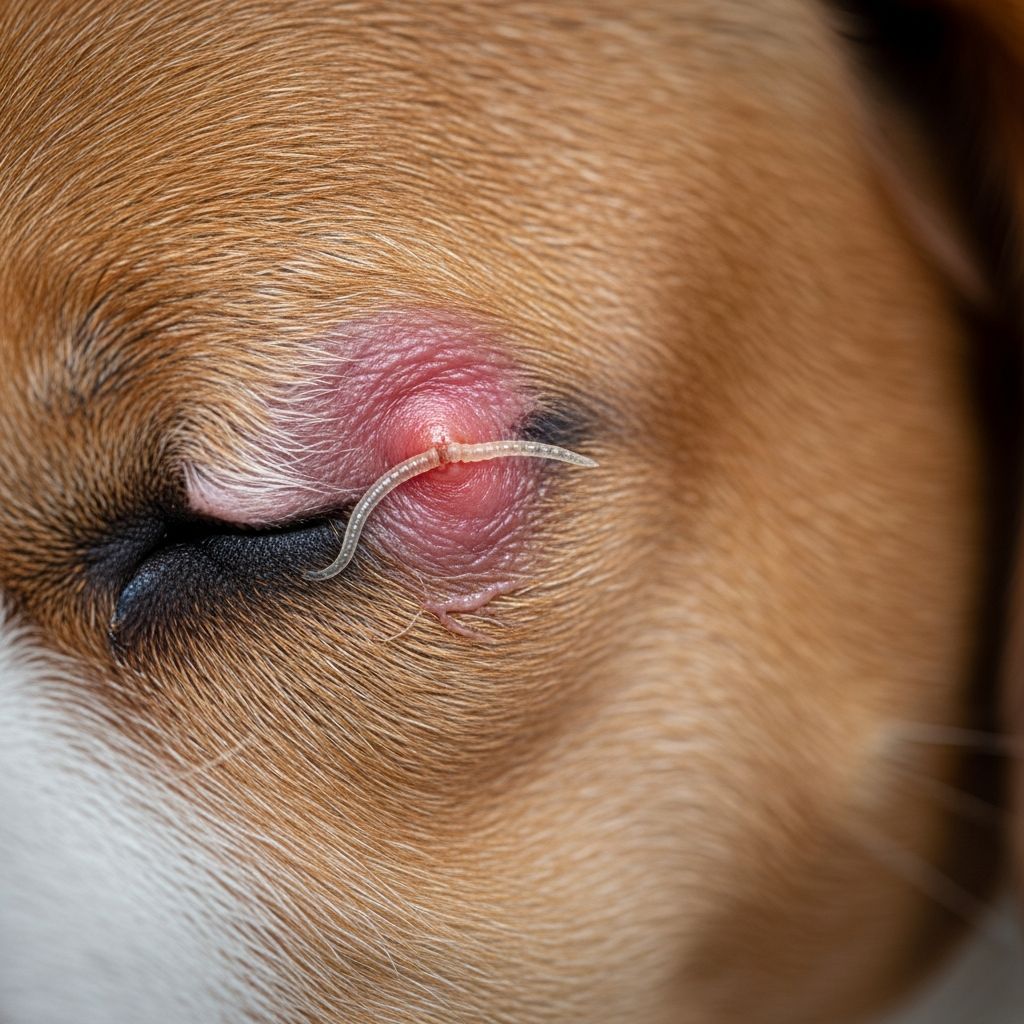
Parasitic worm infections affecting the skin represent a specialized category of canine health concerns that require prompt veterinary attention. While many dog owners are familiar with internal parasites like heartworms and intestinal worms, the subset of worms that directly invade and inhabit the skin tissue presents unique diagnostic and treatment challenges. These skin-dwelling parasites cause distinct clinical presentations that differ markedly from gastrointestinal or systemic parasitic diseases. Understanding the specific characteristics, transmission pathways, and management strategies for these infections enables dog owners to recognize warning signs early and seek appropriate veterinary care.
Understanding Dracunculus Insignis: The Guinea Worm of Canines
One of the most notable parasitic worms affecting canine skin is Dracunculus insignis, commonly referred to as the guinea worm in dogs. This parasitic organism presents a fascinating yet troubling life cycle that involves multiple host organisms. The adult female worms grow substantially larger than their male counterparts, reaching lengths of up to 2.5 inches (65 millimeters), while male specimens measure only approximately 0.8 inches (20 millimeters) in length.
The pathophysiology of D. insignis infection involves tissue invasion and ulceration. These parasites establish themselves within the subcutaneous tissues and create open sores on the skin surface. The worms have evolved a remarkable reproductive strategy: when these skin ulcers come into contact with water environments, the adult female worms protrude their anterior ends through the wound openings to release their larval offspring into the aquatic environment. This adaptation allows the parasites to complete their reproductive cycle while remaining embedded in their host.
The transmission cycle requires intermediate hosts to continue. The first-stage larvae develop within small crustaceans known as water fleas (copepods) in freshwater environments. Dogs acquire infection through several possible routes, including consuming contaminated water directly, ingesting infected water fleas, or consuming secondary hosts such as frogs that have themselves become infected by consuming parasitized water fleas. This complex multi-host lifecycle explains why the infection occurs primarily in dogs with access to particular water environments.
Clinical Presentation of Dracunculus Infections
Dogs affected by D. insignis infestation display characteristic clinical signs that alert observant owners to potential parasitic involvement. The most distinctive feature is the appearance of serpentine, or snake-like, elevated tracks that tunnel beneath the skin surface. These subcutaneous tracks appear as swollen, cord-like formations that may shift position as the worm migrates within the tissues. Complementing these subsurface lesions are crater-shaped ulcers visible on the skin’s outer surface, distinguishing this condition from other dermatological problems.
The geographic distribution of D. insignis infections remains limited in most developed regions, with documented cases appearing only sporadically. Dogs with access to small lakes, ponds, or other bodies of shallow, stagnant freshwater appear at higher risk for infection. This geographic specificity means the condition remains relatively uncommon in typical urban and suburban canine populations but warrants attention in dogs with rural or semi-aquatic lifestyles.
Pelodera Dermatitis: Superficial Skin Invasion
A distinctly different parasitic skin condition emerges from infection with Pelodera strongyloides, a parasitic roundworm that manifests as what veterinarians classify as pelodera dermatitis. Unlike D. insignis, which involves large adult worms establishing chronic infections, pelodera dermatitis occurs when the larval stage of these roundworms invades the superficial skin layers, typically causing acute and self-limited infections.
The epidemiology of pelodera dermatitis differs substantially from dracunculus infection. The larvae of Pelodera strongyloides thrive in decaying organic matter and moist soil environments. Damp hay, decomposing vegetation, and wet bedding all provide suitable habitats where these larvae proliferate. The parasites are only intermittently pathogenic, meaning they exist in these environmental niches primarily as free-living organisms but occasionally penetrate into canine skin when conditions align.
Transmission to dogs occurs predominantly through direct contact with contaminated environmental materials. Dogs resting on infested damp bedding, lying in moist soil harboring larvae, or otherwise coming into prolonged contact with contaminated substrates risk infection. Notably, dogs with compromised skin integrity or poor skin condition face substantially higher infection risk compared to animals with healthy integumentary barriers. This distinction has important implications for prevention and management, as maintaining clean, dry living conditions and good skin health provides significant protection against this infection.
Clinical Features of Pelodera Dermatitis
The clinical manifestation of pelodera dermatitis typically remains localized to body regions that had direct contact with contaminated materials. The legs, groin area, abdomen, and chest represent the most commonly affected locations. The affected skin demonstrates characteristic inflammation, appearing distinctly red and losing partial to complete hair coverage in the affected regions.
The skin lesions progress through various stages of evolution. Initial lesions often appear as small raised bumps, which may advance to pustules (pus-filled lumps) as the infection develops. Secondary lesions including crusts, erosions, and ulcerations may develop, particularly if the dog engages in excessive scratching or licking. The degree of associated discomfort varies considerably among affected animals. While some dogs experience severe itching that prompts intense scratching, biting, and rubbing behaviors, other cases present with minimal pruritus, suggesting variable individual sensitivity to the parasitic invasion.
Diagnostic Approaches for Skin Worm Infections
Accurate diagnosis represents the critical foundation for appropriate management of parasitic skin worm infections. Veterinarians employ specific diagnostic methodologies tailored to the suspected parasitic agent.
For pelodera dermatitis specifically, veterinarians typically perform skin scrapings from affected areas and examine the material microscopically to identify characteristic parasitic larvae. This straightforward diagnostic procedure often yields definitive results, enabling rapid confirmation of infection and initiation of appropriate treatment. The presence of characteristic larvae under magnification confirms the diagnosis and allows differentiation from other dermatological conditions presenting with similar clinical signs.
Diagnosis of D. insignis infections relies primarily on visual identification of the characteristic clinical features combined with knowledge of the patient’s exposure history. The distinctive snake-like subcutaneous tracks and crater-formed surface ulcers provide reasonably pathognomonic signs, particularly when the dog’s history includes exposure to appropriate freshwater environments. Direct visualization of the protruding worm through the skin ulcer, when present, provides definitive confirmation.
Treatment Strategies for Parasitic Skin Worms
Veterinary management of parasitic skin worm infections employs both mechanical and pharmacological approaches, selected based on the specific parasitic species involved and the clinical context.
Pharmacological Treatment Options
Antiparasitic medications from specific drug classes demonstrate efficacy against skin-dwelling worms. Medications belonging to the imidazole class (such as metronidazole) and benzimidazole class compounds show therapeutic activity against these parasites. These anthelmintic drugs work through mechanisms that disrupt the parasites’ metabolism and neuromuscular function, leading to their elimination from the host.
The specific antiparasitic agent selected, dosing regimen, and duration of therapy depend on factors including the identified parasite species, the severity and extent of infection, the individual dog’s health status, and the presence of any concurrent medical conditions. Veterinary supervision remains essential, as proper medication selection and administration significantly impact treatment success rates.
Mechanical Extraction
For D. insignis infections specifically, careful mechanical extraction of the parasites represents an important treatment component. Veterinarians perform this procedure methodically and gradually, taking care to remove the worm intact without leaving fragments behind in the tissues, which could provoke severe inflammatory reactions. The technical difficulty of complete extraction and the care required to avoid complications makes this procedure genuinely challenging in many cases.
Environmental Management for Pelodera Dermatitis
A distinctive feature of pelodera dermatitis management involves environmental modification. Since the infection depends on contact with contaminated materials, simply relocating the affected dog to a dry environment with clean, fresh bedding often results in spontaneous recovery without additional medical intervention. This approach demonstrates the importance of addressing underlying environmental risk factors alongside direct parasiticide therapy. Owners should replace all contaminated bedding, ensure sleeping areas remain dry, and maintain clean housing conditions to prevent reinfection.
Prevention Strategies and Risk Mitigation
Preventing parasitic skin worm infections requires understanding the specific risk factors associated with each parasite type. Dogs with access to potentially contaminated freshwater environments, particularly shallow lakes and stagnant water bodies, face increased risk for D. insignis infection. Minimizing or eliminating such exposure significantly reduces infection probability.
Prevention of pelodera dermatitis centers on environmental hygiene and maintaining healthy skin conditions. Dog owners should provide clean, dry bedding, promptly remove and replace any damp or soiled materials, and avoid exposing dogs to areas with decomposing vegetation or standing water contaminated with organic debris. Regular grooming, prompt treatment of minor skin injuries, and maintenance of overall skin health further reduce susceptibility to infection.
Frequently Asked Questions About Canine Skin Worm Infections
How Common Are Parasitic Skin Worm Infections in Dogs?
Parasitic skin worm infections remain relatively uncommon in canine populations, particularly in developed countries. D. insignis infection occurs only sporadically and primarily in dogs with specific geographic exposure. Pelodera dermatitis, while slightly more prevalent than dracunculus infection, still represents a minority of dermatological complaints encountered in veterinary practice. However, their rarity should not lead to complacency, as any dog with appropriate exposure history and compatible clinical signs warrants evaluation.
Are These Infections Transmissible to Humans?
The transmissibility of canine parasitic skin worms to humans varies by species. D. insignis appears to be host-specific, with human infection being extremely rare or nonexistent. Other skin-penetrating parasites, however, can cause human infections under appropriate exposure conditions. Dog owners handling affected animals should practice good hygiene, including handwashing after contact with infected dogs or contaminated materials.
How Long Does Treatment Take?
The duration of treatment varies based on the infection type and the therapeutic approach employed. Mechanical extraction of D. insignis may require a single procedure, though follow-up monitoring ensures complete removal. Antiparasitic medication courses typically span several weeks. Pelodera dermatitis often resolves rapidly with environmental modification alone, though antiparasitic therapy may expedite healing.
Can These Infections Recur?
Recurrence depends primarily on reexposure to contaminated environments. Dogs treated for pelodera dermatitis that subsequently live in clean, dry conditions typically remain infection-free. Dogs with ongoing access to contaminated freshwater environments face continuing risk for D. insignis reinfection. Preventing recurrence requires sustained environmental management and exposure minimization.
When to Seek Veterinary Care
Dog owners should contact their veterinarian promptly upon noticing any of the following signs that might indicate parasitic skin worm infection: unexplained skin lesions that do not respond to standard treatment, persistent or worsening dermatitis localized to areas of the body, snake-like subcutaneous tracks beneath the skin, or crater-shaped ulcers on the skin surface. Additionally, any skin condition associated with intense itching that correlates with potential exposure to contaminated bedding or freshwater environments warrants professional evaluation.
Early veterinary evaluation enables rapid diagnosis and prompt initiation of appropriate therapy, significantly improving treatment outcomes and minimizing discomfort for the affected animal.
References
- Parasitic Worms of the Skin in Dogs — Merck & Co., Inc. / MSD Veterinary Manual. 2026. https://www.merckvetmanual.com/dog-owners/skin-disorders-of-dogs/parasitic-worms-of-the-skin-in-dogs
Similar Articles








Read full bio of Sneha Tete