

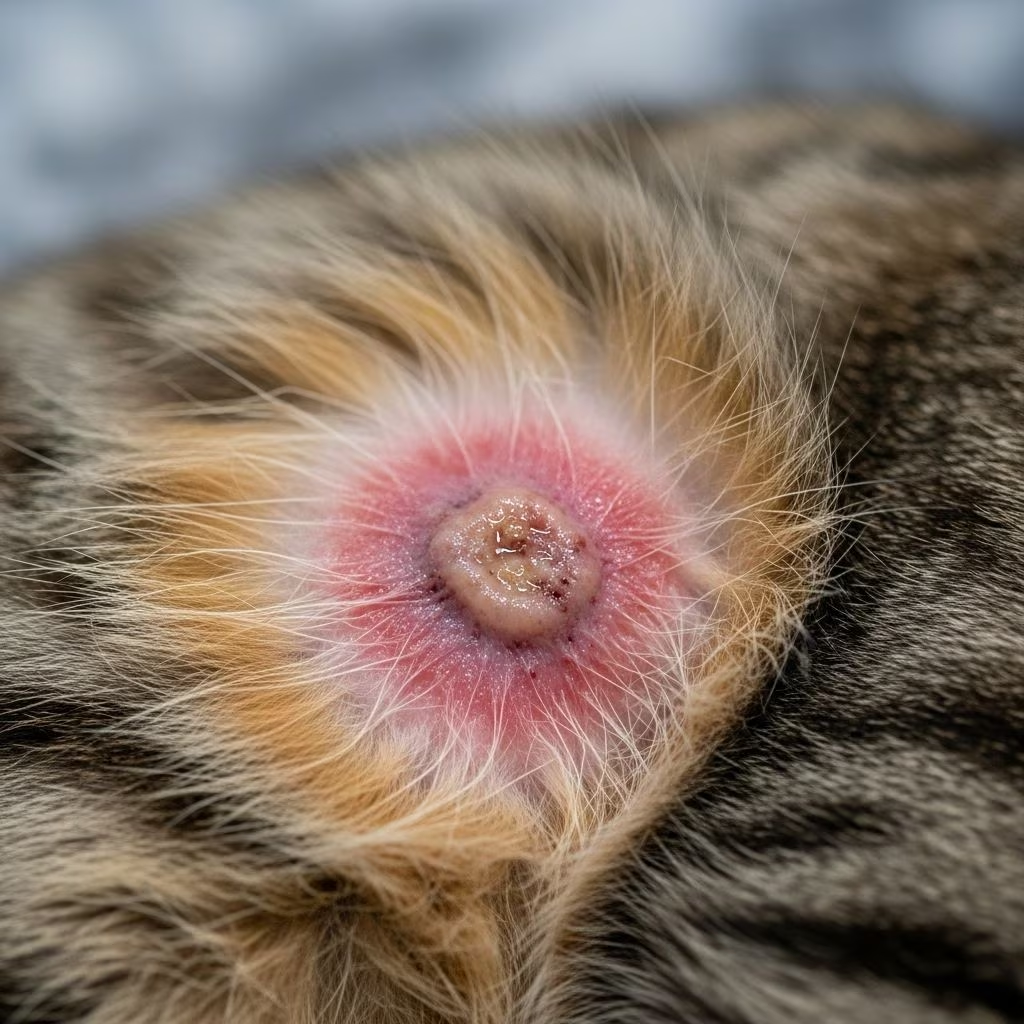
Skin ulcers in cats are open sores or lesions where the skin’s outer layer is damaged, often leading to pain, infection risk, and discomfort if untreated. These conditions require prompt veterinary attention to identify underlying causes and prevent complications.
What Are Skin Ulcers in Cats?
Skin ulcers develop when the epidermis is breached, exposing underlying tissues to potential infection. In cats, these appear as raw, inflamed areas that may ooze, crust, or scab. Cats often exacerbate the issue through excessive licking or scratching, known as self-manipulation, which widens the lesion and promotes secondary bacterial growth.
Common presentations include depigmentation, alopecia (hair loss), multiple lesions, erosions, discharge, dried crusts, inflammation, swelling, redness, and hot spots from licking. Unlike superficial scratches, true ulcers penetrate deeper, potentially involving dermis and subcutaneous layers.
Symptoms of Skin Ulcers in Cats
- Visible sores: Raw, red, or weeping areas, often on lips, ears, thighs, or paws.
- Hair loss: Alopecia around the ulcer due to irritation or self-trauma.
- Discharge: Pus-like or serous fluid from infected sites.
- Behavioral changes: Excessive grooming, reluctance to eat if oral involvement, or lethargy.
- Swelling and pain: Inflamed borders, tenderness on touch.
- Crusting or scabbing: Healing attempts that crack and reopen with movement.
Indolent ulcers, a specific type, present as well-defined erosions on the upper lip, associated with eosinophilic complexes.
Causes of Skin Ulcers in Cats
Skin ulcers arise from diverse etiologies, broadly categorized into infectious, allergic, traumatic, neoplastic, and systemic factors. Accurate diagnosis is crucial as treatments vary.
| Category | Examples | Notes |
|---|---|---|
| Infections | Bacterial (pyoderma), fungal (ringworm), viral (feline herpesvirus, calicivirus) | Often secondary to other issues; oral ulcers common with calicivirus. |
| Allergies/Hypersensitivity | Flea bite, food, environmental; eosinophilic ulcer/plaque/granuloma | Flea hypersensitivity triggers most indolent ulcers; rodent ulcer variant. |
| Trauma/Injury | Burns, bites, scratches, urine scald | Self-manipulation worsens lesions. |
| Autoimmune/Immune-mediated | Pemphigus vulgaris, eosinophilic complex | Blistering leads to erosions. |
| Neoplasia/Cancer | Squamous cell carcinoma, sebaceous tumors, basal cell tumors | Non-healing ulcers; biopsy essential. |
| Parasites | Lice, mites (notoedric mange), pythiosis | Intense itching precedes ulceration. |
| Other | Solar dermatosis, tail gland hyperplasia, psychogenic dermatitis, Nocardia | Sun exposure on light-skinned ears; stress-related licking. |
Hypersensitivity reactions, especially to fleas, underpin many eosinophilic skin diseases, forming a “complex” where one cat may suffer multiple forms simultaneously.
Diagnosis of Skin Ulcers in Cats
Veterinarians start with history and physical exam, noting lesion location, duration, and progression. Diagnostic tools include:
- Cytology/Aspiration: Fluid sampling for microbes under microscope.
- Skin scrapings: Rule out parasites like mites.
- Culture/Sensitivity: Identifies bacteria/fungi for targeted antibiotics.
- Biopsy: Gold standard for confirming neoplasia, autoimmune disease; examines tissue histology.
- Bloodwork: Screens for systemic issues like kidney disease or diabetes predisposing to ulcers.
- Flea comb/Imaging: Detects parasites or deeper involvement.
For recurrent cases, allergy testing or food trials may be pursued.
Treatment for Skin Ulcers in Cats
Treatment targets the root cause while managing pain and infection. Most cases resolve outpatient with multimodal therapy.
Medications
- Antibiotics/Antifungals: Based on culture; e.g., for pyoderma or ringworm.
- Anti-inflammatories/Steroids: Prednisolone (1-2 mg/kg daily) for eosinophilic ulcers after antimicrobials; taper to avoid relapse.
- Pain relief: NSAIDs or opioids for comfort.
- Immunosuppressants: Cyclosporine (7 mg/kg daily) for refractory autoimmune cases.
Wound Care
- Cleaning with chlorhexidine or prescribed antiseptics.
- Topical ointments, medicated shampoos, or dressings.
- E-collar to prevent licking.
Supportive Care
- Diet: Soft food for oral ulcers; hypoallergenic if allergies suspected; zinc supplementation for responsive dermatopathies.
- Hydrotherapy: Cool water sprays to soothe, if vet-approved.
- Flea control: Strict preventatives like topical/oral products.
Surgical Interventions
Debridement for necrotic tissue, tumor excision, or biopsy. Severe cases may require hospitalization with IV fluids.
Empirical antimicrobials are avoided; culture-guided therapy ensures efficacy, especially for recurrent lesions signaling allergies.
Prognosis and Home Care
Prognosis excels with early intervention—most heal in 2-4 weeks. Chronic or neoplastic ulcers may recur or require ongoing management. Home care involves:
- Administering meds as prescribed.
- Preventing access to the site via cone or bandage.
- Monitoring for worsening (increased redness, fever).
- Maintaining flea-free environment.
- Avoiding OTC topicals like neomycin, which can impede healing.
Prevention of Skin Ulcers in Cats
- Year-round flea prevention.
- Balanced diet avoiding allergens.
- Limit sun exposure for light-coated cats.
- Regular grooming/vet checks for early lesions.
- Stress reduction to curb psychogenic licking.
Frequently Asked Questions (FAQs)
What do skin ulcers look like on cats?
They appear as open, red sores with crusting, hair loss, discharge, and swelling; often on lips or limbs.
Can skin ulcers in cats heal on their own?
Minor ones might, but veterinary treatment prevents infection and addresses causes like allergies.
Are skin ulcers in cats contagious?
Depends on cause—fungal or bacterial yes, but autoimmune or allergic no.
How much do treatment for cat skin ulcers cost?
Varies; exams/biopsies $200-500, meds $50-150; consult your vet.
Why does my cat keep licking its skin ulcer?
Pain and itch drive self-manipulation, worsening the lesion—use an e-collar.
References
- What Exactly Are Ulcers in Cats? — North Kenny Veterinary Hospital. 2023. https://northkennyvet.com/blog/ulcers-in-cats/
- Skin Ulcers in Cats — WagWalking. 2024. https://wagwalking.com/cat/condition/skin-ulcers
- Eosinophilic Skin Diseases in Cats — Merck Veterinary Manual. 2025-01-10. https://www.merckvetmanual.com/integumentary-system/eosinophilic-inflammatory-skin-diseases/eosinophilic-skin-diseases-in-cats
- Skin Lesions in Cats — Vetster. 2024. https://vetster.com/en/symptoms/cat/skin-lesions
- Understanding Skin Ulcers in Pets — Tri-County Animal Hospital. 2023. https://tricountyah.com/pet-health/skin-ulcers/



