

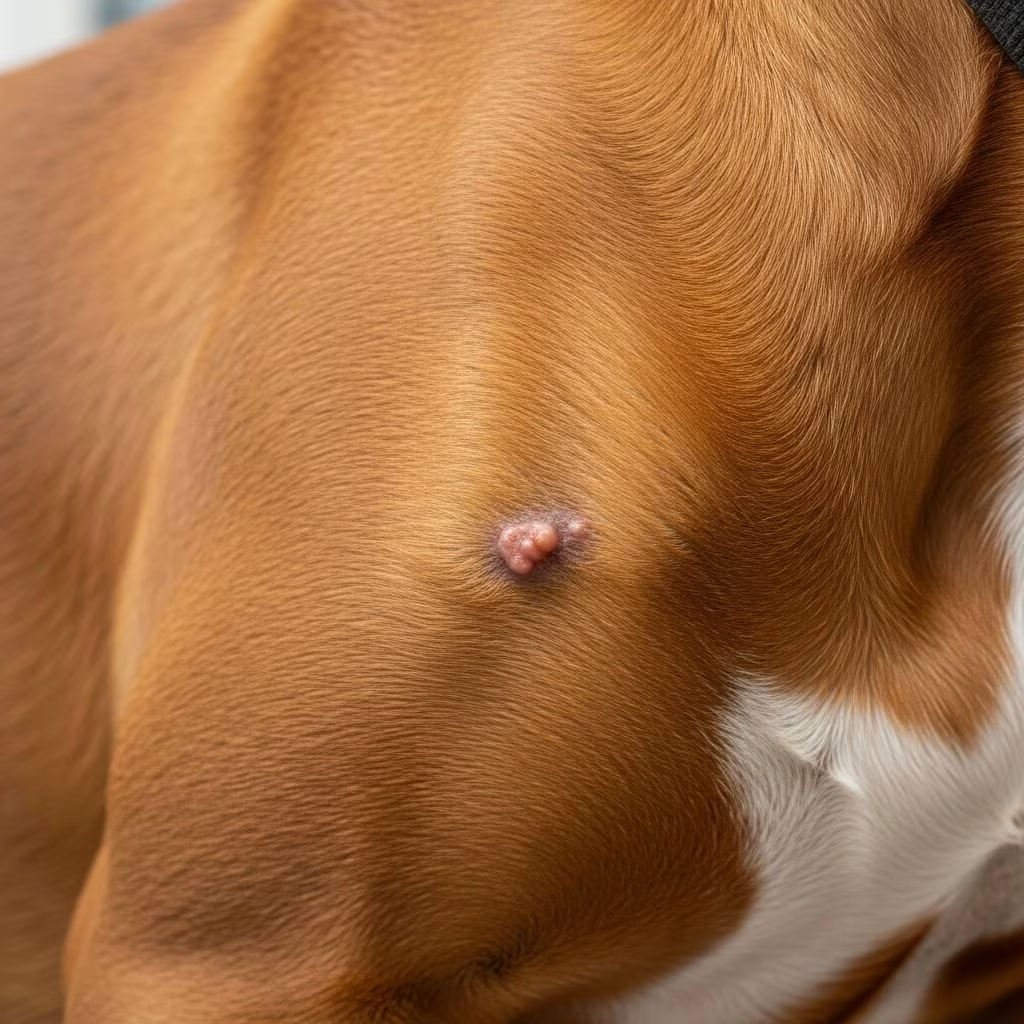
Skin tumors represent one of the most common health issues encountered in dogs, particularly as they age. These growths can range from harmless lumps to aggressive cancers requiring immediate attention. Understanding the differences between benign and malignant forms empowers owners to act swiftly, potentially improving outcomes through early intervention.
Recognizing Abnormal Growths on Your Dog’s Skin
Pet owners often notice new lumps, bumps, or changes in their dog’s skin during routine grooming or petting sessions. These abnormalities might appear as raised nodules, flat patches, ulcers, or cysts that ooze fluid. While many are non-cancerous, vigilance is key since some can signal serious conditions.
- Benign growths typically grow slowly and remain localized without causing discomfort.
- Malignant tumors may enlarge rapidly, bleed, ulcerate, or spread to lymph nodes and organs.
- Common sites include the trunk, legs, head, and toes, varying by tumor type.
Factors like breed predisposition play a role; for instance, certain breeds face higher risks for specific tumors. Regular at-home checks—feeling for new masses, noting color changes, or observing itching—can catch issues early.
Common Benign Skin Tumors in Canines
Most skin tumors in dogs (over 80% in some studies) are benign, meaning they do not invade surrounding tissues or metastasize. These often require monitoring or simple removal if they cause irritation.
Histiocytomas
These youthful tumors frequently affect dogs under three years old, presenting as small, red, button-like lumps on the head or legs. They usually regress spontaneously within months but can be surgically excised if persistent.
Lipomas
Known as fatty tumors, lipomas are soft, movable masses under the skin, common in overweight middle-aged dogs. They pose little threat unless interfering with movement, treated via surgical removal or liposuction in select cases.
Sebaceous Gland Tumors
Adenomas from oil-producing glands appear as pinkish, cauliflower-like growths on the trunk. Benign versions need removal only if infected; they can recur in multiple sites.
| Tumor Type | Appearance | Typical Location | Treatment |
|---|---|---|---|
| Histiocytoma | Red button-like | Head, legs | Observation or excision |
| Lipoma | Soft, fatty lump | Trunk, chest | Surgical removal if needed |
| Sebaceous Adenoma | Warty, pink | Back, sides | Removal for comfort |
Malignant Skin Cancers: The Serious Threats
Malignant tumors demand prompt veterinary evaluation due to their potential to metastasize. They account for a smaller but critical portion of cases, often requiring multimodal therapy.
Mast Cell Tumors (MCTs)
MCTs top the list of canine skin cancers, comprising up to 20% of cases. They manifest as raised, hairless swellings that may fluctuate in size due to histamine release, causing gastrointestinal upset or hives. Grading (low to high) via biopsy predicts behavior; low-grade ones respond well to surgery, while high-grade demand aggressive protocols including chemotherapy.
Melanomas
Pigmented and aggressive, melanomas favor oral sites but occur on skin, especially toes or nails. Dark, bleeding masses signal this cancer, which spreads to lungs or lymph nodes. Surgery, often with toe or jaw amputation, pairs with vaccines or immunotherapy for better survival (1-36 months average).
Squamous Cell Carcinomas (SCC)
SCCs form scaly, ulcerated patches on light-skinned areas like the nose or ears, sometimes sun-linked. Surgical excision followed by radiation yields over 2.5 years survival in skin-limited cases.
Other Malignant Types
Basal cell carcinomas invade locally but rarely metastasize, treated surgically. Lymphosarcomas present as flaky or ulcerated skin patches, managed with chemo but offering limited life extension. Soft tissue sarcomas grow infiltratively, challenging complete removal.
Diagnostic Approaches for Skin Abnormalities
Veterinarians employ a stepwise process to differentiate benign from malignant growths. Fine-needle aspiration provides initial cytology, while biopsies offer definitive histopathology and grading. Imaging (X-rays, ultrasounds) assesses spread, and staging protocols guide therapy.
- Cytology: Quick, minimally invasive cell sampling.
- Biopsy: Punch, incisional, or excisional for architecture review.
- Staging: Lymph node checks and scans for metastasis.
Early diagnosis via these tools dramatically boosts success rates, especially for curable low-grade tumors.
Treatment Strategies: From Surgery to Advanced Therapies
Tailored plans hinge on tumor type, size, location, stage, and patient health. Surgery remains foundational, aiming for clean margins.
- Surgical Excision: Gold standard for localized tumors; castration cures 95% of perianal tumors in males.
- Radiation: Stereotactic options deliver precise high doses in 1-3 sessions, ideal post-surgery or when excision is infeasible.
- Chemotherapy: Manages systemic spread; remission averages 8 months for some cancers.
- Immunotherapy: Melanoma vaccines shrink tumors and extend life.
- Cryosurgery/Laser: For small, superficial growths.
For advanced stages, oncology consults optimize combinations, balancing efficacy with quality of life.
| Cancer Type | Primary Treatment | Adjuncts | Prognosis |
|---|---|---|---|
| Mast Cell Tumor (Low Grade) | Surgery | Chemo if high-grade | Excellent cure rate |
| Melanoma | Amputation/Surgery | Vaccine, Radiation | 1-36 months |
| SCC | Surgery + Radiation | Chemo rare | >2.5 years |
| Sarcomas | Wide Excision | Radiation, Chemo | Guarded |
Prevention and Risk Reduction Tactics
While genetics drive many tumors, lifestyle tweaks mitigate risks. Limit sun exposure for light-coated dogs to curb SCC. Maintain ideal weight to reduce lipoma incidence. Spay/neuter alters hormone-influenced cancers like perianal. Routine vet exams catch pre-cancerous changes early.
Breeds like Boxers, Golden Retrievers, and Labrador Retrievers warrant extra scrutiny for MCTs; Norwegian Elkhounds for others.
When to Rush to the Vet
Seek immediate care for rapidly growing lumps, bleeding ulcers, lethargy, appetite loss, or enlarged nodes. These red flags suggest malignancy or complications like infection.
Frequently Asked Questions (FAQs)
Are all lumps on my dog cancerous?
No, most are benign, but biopsy confirms.
Can skin tumors be prevented entirely?
Not fully, but early detection and healthy habits help.
What is the success rate for treating mast cell tumors?
High for low-grade (near 100% with surgery); variable for advanced.
Does breed affect skin tumor risk?
Yes, certain breeds like Shar-Peis and Retrievers are predisposed.
Is chemotherapy painful for dogs?
Typically mild side effects; quality of life preserved.
References
- Tumors of the Skin in Dogs – Dog Owners – Merck Veterinary Manual — Merck & Co., Inc. 2023. https://www.merckvetmanual.com/dog-owners/skin-disorders-of-dogs/tumors-of-the-skin-in-dogs
- Lumps, Bumps, and Cysts on Dogs – PetMD — PetMD. 2024. https://www.petmd.com/dog/symptoms/lumps-bumps-and-cysts-dogs
- Skin Cancer in Dogs: Signs, Symptoms, and Types – GoodRx — GoodRx. 2024. https://www.goodrx.com/pet-health/dog/dog-skin-cancer
- Common Skin Cancers in Dogs: What Pet Owners Should Know — Cummings School of Veterinary Medicine at Tufts University. 2023. https://vet.tufts.edu/news-events/news/common-skin-cancers-dogs-what-pet-owners-should-know
- Skin Cancer in Dogs | PetCure Oncology — PetCure Oncology. 2024. https://petcureoncology.com/skin-cancer-in-dogs/



