

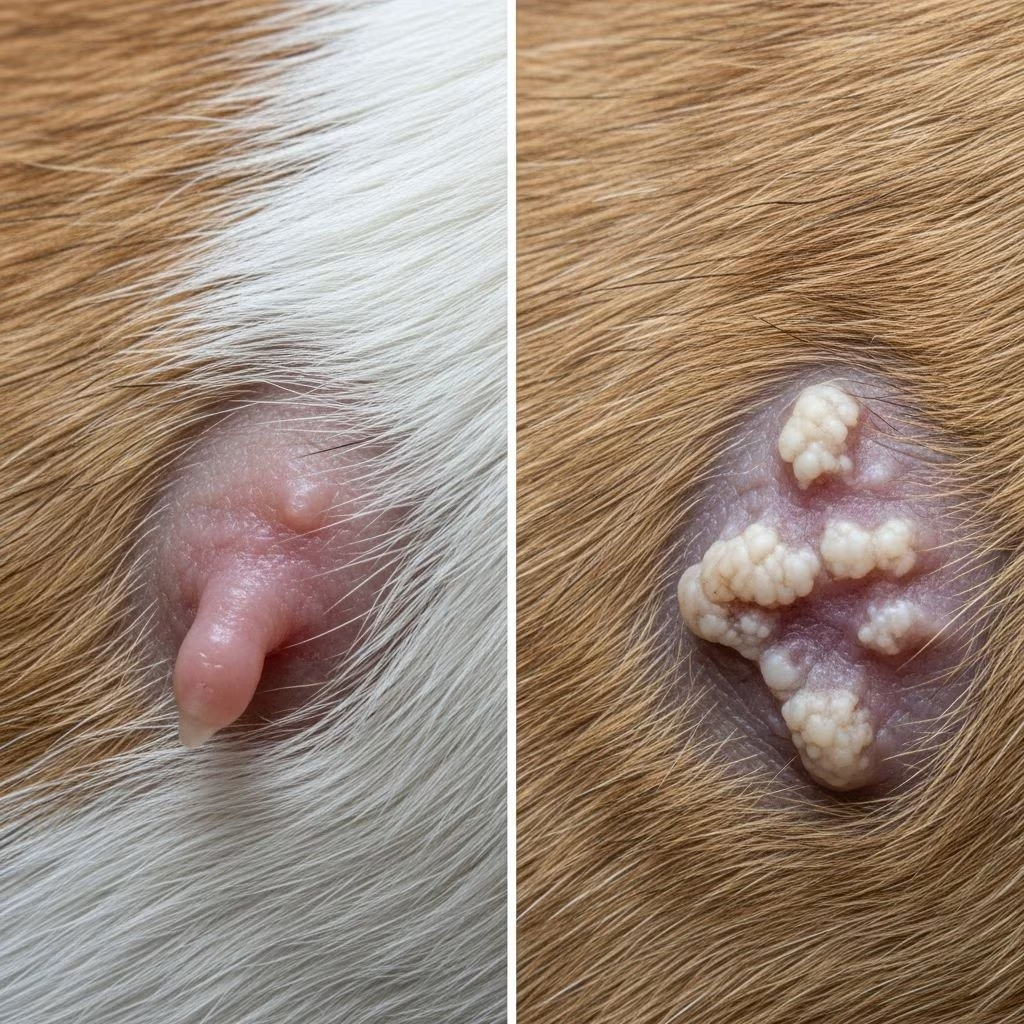
Distinguishing between skin tags and warts on dogs is crucial for pet owners, as both are common benign growths but differ in origin, appearance, and management. Skin tags arise from friction or irritation, while warts stem from a viral infection; accurate identification prevents unnecessary worry and ensures proper care.
Understanding Common Canine Skin Growths
Dogs often develop small lumps or protrusions on their skin as they age, prompting concern among owners. These growths are typically harmless but can mimic more serious conditions. Regular grooming and inspection help spot them early, allowing for informed decisions on whether veterinary attention is needed.
Skin tags, also called fibrovascular papillomas or acrochordons, form in areas prone to rubbing. Warts, caused by canine papillomavirus, appear more frequently in younger dogs or those with compromised immunity. Both are non-cancerous in most cases, but monitoring changes is essential.
Visual Identification Guide
Appearance is the first clue in telling skin tags apart from warts. Skin tags often dangle like small flaps or teardrops on a thin stalk, feeling soft and movable when gently touched. They match the dog’s skin tone, blending seamlessly, and rarely exceed a few millimeters in size.
Warts present as firm, rounded bumps with a cauliflower-like surface, attached broadly to the skin without a stalk. Their color may contrast with surrounding skin, appearing lighter, darker, or pigmented, and they feel rougher to the touch.
| Feature | Skin Tags | Warts |
|---|---|---|
| Shape | Teardrop or flap on stalk | Round, cauliflower-like |
| Texture | Soft, pliable | Firm, rough |
| Color | Same as skin | Different from skin |
| Mobility | Movable, dangles | Firmly attached |
| Size | Small (mm) | Variable, often larger |
This table summarizes core distinctions based on veterinary observations.
Typical Locations on Your Dog
Skin tags favor friction-prone spots like the chest, armpits, lower legs, neck, eyelids, and elbows, where skin folds or collars rub repeatedly. Older, larger breeds lying on hard surfaces may develop them at pressure points such as the sternum.
- Chest and belly: Common due to lying down.
- Legs and paws: From movement and ground contact.
- Face and neck: Collar or harness irritation.
Warts cluster around mucous membranes and high-contact areas: mouth, lips, eyes, toes, and genitals. They spread via direct contact, explaining their preference for social or grooming spots.
What Triggers These Growths?
Skin Tag Development Factors
Skin tags emerge without a single known cause but correlate strongly with mechanical stress. Chronic friction from collars, harnesses, skin folds in brachycephalic breeds, or hard bedding prompts excess skin cell growth. Middle-aged to senior dogs, especially large breeds like Boxers, Poodles, Cocker Spaniels, English Bulldogs, and giants, show higher incidence.
Other contributors include obesity increasing skin folds, hormonal shifts in spayed/neutered pets, and rare viral links similar to papilloma but non-contagious. They pose no systemic health risk and remain stable unless traumatized.
Wart Formation Mechanisms
Canine warts result from papillomavirus infection, entering via skin breaks or mucous membranes. Puppies and immunocompromised adults are vulnerable, with transmission dog-to-dog through shared bowls, grooming tools, or play. Unlike human strains, canine versions rarely cross species.
Multiple types exist: oral papillomas in young dogs resolve spontaneously; cutaneous forms persist longer. Risk rises in crowded kennels or with poor hygiene.
Health Risks and Complications
Both growths are benign, but complications arise if irritated. Skin tags can tear during activity, leading to bleeding, infection, or pus if located on elbows, paws, or belly. Warts may ulcerate, especially orally, causing discomfort or secondary bacterial issues.
Rarely, persistent warts signal immune dysfunction, warranting bloodwork. Never assume; mimics include ticks (with legs, engorged), cysts (fluid-filled), lipomas (fatty tumors), or mast cell tumors (rapidly growing, itchy). Cancerous lumps change size, bleed, or ulcerate.
- Irritation signs: Redness, swelling, limping.
- Infection: Oozing, foul odor, fever.
- Behavioral cues: Excessive licking, reluctance to move.
When to Consult a Veterinarian
Immediate vet visits are advised for new growths, rapid changes, multiple lumps, or symptoms like lethargy. Professionals differentiate via physical exam; biopsies or fine-needle aspirates confirm histology for ambiguous cases.
For skin tags, removal is elective unless problematic. Warts often self-resolve in 1-2 months but may need intervention if spreading.
Treatment and Removal Options
Non-Invasive Management
Monitor stable growths: Clean gently with saline, prevent trauma with padded bedding or fitted collars. Immune-boosting diets aid wart regression.
Surgical and Medical Interventions
Removal methods include:
- Cryotherapy: Freezing with liquid nitrogen, quick for small tags/warts.
- Electrocautery/Laser: Precise, minimal bleeding.
- Surgical excision: For larger or suspicious growths, with histopathology.
- Topicals: Imiquimod or autogenous vaccines for warts (vet-prescribed).
Anesthesia ensures safety; post-care involves e-collars and antibiotics if infected. Costs vary by size/location.
| Method | Best For | Recovery Time |
|---|---|---|
| Cryotherapy | Small tags/warts | 1-2 weeks |
| Laser | Sensitive areas | Days |
| Surgery | Large/diagnostic | 1-3 weeks |
Preventive Strategies for Healthy Skin
Minimize risks through daily grooming, flea/tick preventives (to rule out parasites), weight control, and breed-appropriate harnesses. Vaccinate against papilloma where available for high-risk pups. Senior wellness exams catch issues early.
For multi-dog homes, isolate new pets and disinfect to curb warts.
Frequently Asked Questions
Are skin tags on dogs cancerous?
No, they are benign, but biopsy any doubtful lumps.
Do dog warts go away on their own?
Yes, often within months as immunity builds.
Can I remove a skin tag at home?
No, risks infection or incomplete removal; seek vet care.
Why do older dogs get more skin tags?
Cumulative friction and looser skin with age.
Is papilloma virus contagious to humans?
No, species-specific.
Long-Term Monitoring Tips
Photograph growths monthly, noting size/color/location. Annual vet checks for seniors include skin exams. Holistic aids like omega-3 supplements support skin health.
Empower yourself with knowledge: Most lumps are innocuous, but vigilance ensures your dog’s comfort and longevity.
References
- What to Do About a Dog Skin Tag: Identification, Risks & Treatment — PetPlace. 2023. https://www.petplace.com/article/dogs/diseases-conditions-of-dogs/what-to-do-if-your-dog-has-a-skin-tag
- Skin Tags on Dogs: How to Identify & Treat Them — Purina US. 2024-01-15. https://www.purina.com/articles/dog/health/skin-fur-ears/skin-tags-on-dogs
- Dog Wart vs Skin Tag: Vet-Reviewed Differences Explained — Dogster. 2024. https://www.dogster.com/dog-health-care/dog-wart-vs-skin-tag
- How Do I Differentiate A Dog Skin Tag From A Wart? – Ask A Pet Vet — YouTube (Vetster). 2023-05-10. https://www.youtube.com/watch?v=9TffMGKgN8A
- Is my dog’s lump a skin tag or cancer? How to tell the difference — Vetster. 2024-02-20. https://vetster.com/en/wellness/is-my-dog-s-lump-a-skin-tag-or-cancer-how-to-tell-the-difference
- All About Dog Warts – Types, Causes, and Treatments — PetMD. 2025-01-01. https://www.petmd.com/dog/conditions/all-about-dog-warts-types-causes-and-treatments



