

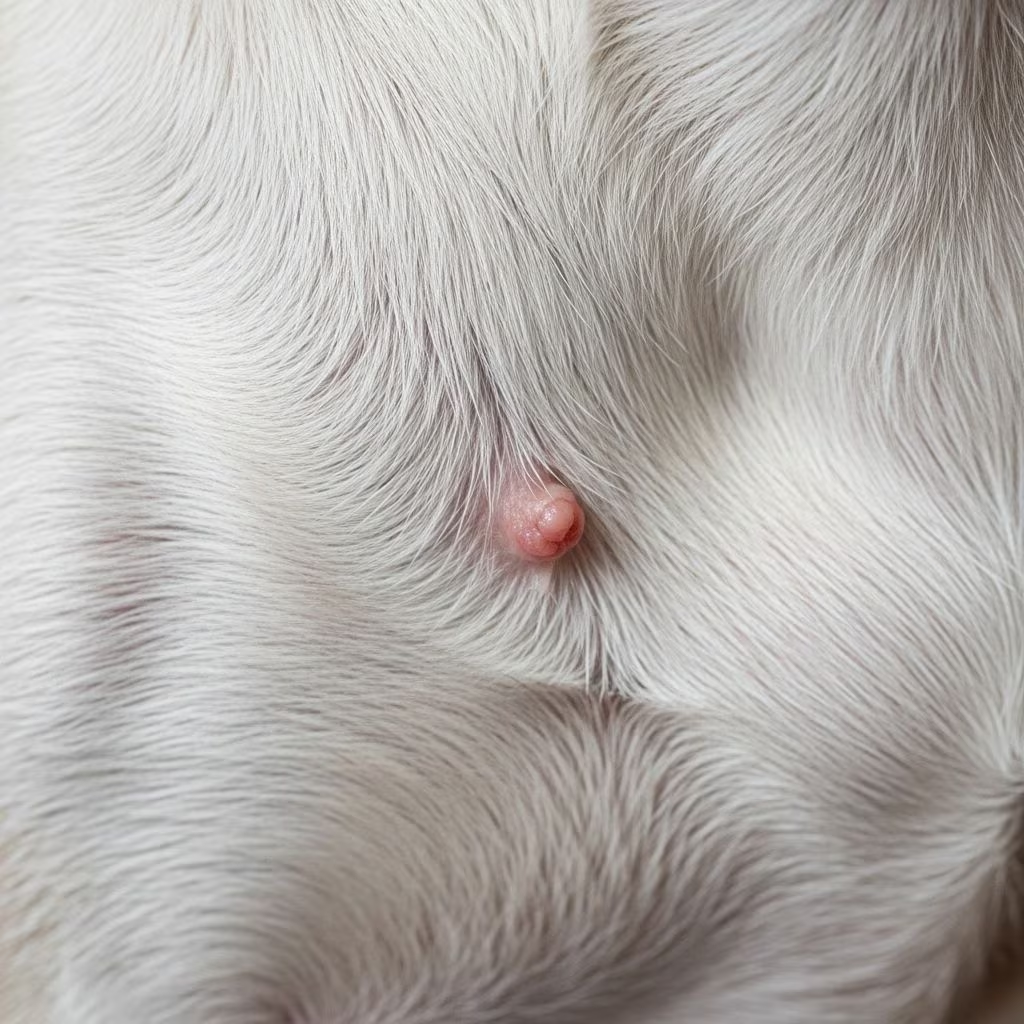
Understanding Skin Tags in Dogs
Skin tags are common benign skin growths that many dog owners encounter during their pet’s lifetime. These small, usually harmless lumps develop on the surface of a dog’s skin and are typically nothing to worry about. However, understanding what they are, why they form, and when intervention might be necessary can help you provide better care for your furry companion.
Skin tags are cutaneous lumps that arise from a small spot on the skin surface and often have a stalk-like appearance. They may grow several inches long and can vary in appearance—some look identical to the surrounding tissue, while others may appear darker or have a warty surface. Unlike more serious skin conditions, skin tags are non-cancerous benign growths that rarely require treatment unless they become problematic.
What Causes Skin Tags on Dogs?
While the exact cause of skin tags remains somewhat mysterious to veterinary medicine, several factors have been identified as contributing to their development. Understanding these causes can help you monitor your dog’s skin health more effectively.
Chronic Irritation and Friction
The most common cause of skin tags in dogs is chronic irritation from repeated friction or trauma to the skin. Skin tags are frequently observed in pressure areas such as the chest, knees, and elbows, particularly on the weight-bearing part of the chest in large, short-haired dogs. This suggests that repeated rubbing and pressure play a significant role in their development.
Several scenarios can lead to this type of irritation:
– Collars or harnesses that rub repeatedly against the neck and surrounding areas- Skin folds that continually rub against each other, especially in breeds with loose skin like Bulldogs and Shar Peis- Dogs sleeping or resting on hard surfaces like concrete, which causes chronic inflammation- Rubbing that damages skin cells, breaks hairs, or clogs hair follicles
Genetic Factors and Breed Predisposition
Certain dog breeds appear more prone to developing skin tags due to genetic factors. Large and giant breed dogs have a higher incidence of skin tags, as do senior dogs whose skin becomes less elastic with age. Breeds with loose skin or deep chests, such as Greyhounds, Doberman Pinschers, Bulldogs, and Shar Peis, are particularly susceptible to developing these growths.
Age-Related Changes
As dogs age, their skin naturally becomes less elastic and more prone to various changes, including the development of skin tags. This is why senior dogs are more likely to develop these benign growths compared to younger dogs.
Obesity
Overweight dogs may be more likely to develop skin tags because their increased weight and size creates more opportunities for skin-to-skin friction and increased pressure whenever they lay down. Maintaining a healthy weight through proper diet and exercise can help reduce this risk factor.
Papilloma Virus
While usually associated with warts, the papilloma virus can occasionally cause skin tags, sometimes appearing in clusters. The papilloma virus is typically of no concern, and removing the skin tag or wart usually resolves the issue.
Allergies and Parasites
Although a firm link between parasites or allergies and skin tags has not been definitively established, chronic skin irritation, increased infection risk, and repeated trauma from chewing and scratching could potentially lead to more skin tags, especially in problem areas. Conditions caused by flea allergies, food allergies, or environmental allergies that cause biting and scratching in one area may lead to possible skin tag formation.
Identifying Skin Tags on Your Dog
Recognizing skin tags is relatively straightforward, though it’s always wise to have your veterinarian confirm any new skin growths. Skin tags typically appear as small lumps or bumps that protrude from the skin surface on a stalk-like base. They can vary in size, color, and texture depending on your individual dog.
Key identifying features include:
– Small, benign lumps protruding from the skin surface- Stalk-like appearance- Size ranging from very small to several inches long- Color matching surrounding tissue or appearing darker- Possible warty surface texture- Most commonly found on the chest, knees, elbows, and neck
When Should You Be Concerned?
While most skin tags are harmless, certain changes or conditions warrant veterinary attention. Being aware of warning signs helps you determine when a veterinary visit is necessary.
Signs of Infection or Inflammation
If a skin tag becomes infected or irritated, you may notice specific warning signs:
– Redness or swelling around the skin tag- Warmth to the touch- Oozing pus or discharge- Bleeding or ulceration- Foul odor- Local abscess formation
Over time, irritated or infected skin tags can lead to further complications, including open wounds or abscesses.
Rapid Changes in Appearance
If a skin tag becomes thicker, longer, appears darker than its usual skin tone, or changes rapidly in size or appearance, this could indicate malignancy, irritation, or other skin conditions requiring veterinary evaluation. While rapid changes could result from trauma like scratching or licking, they might rarely indicate skin cancer or infections.
Location-Related Concerns
Skin tags in certain locations can cause problems for your dog. If a skin tag develops near the eyelid, where it might bother the eye, or near the mouth where eating could irritate it, removal may be recommended.
Signs of Discomfort
If your dog repeatedly scratches, licks, or shows other signs of discomfort around a skin tag, this indicates the growth is bothering them and warrants professional evaluation.
Diagnosis and Veterinary Evaluation
When you notice a new skin growth on your dog, scheduling a veterinary visit is always a good idea to confirm it’s actually a skin tag and not something more serious. Your veterinarian will examine the mass and determine whether further testing or removal is needed through a process similar to a dermatologist’s skin check in humans.
If your veterinarian suspects the growth might be something other than a benign skin tag, they may conduct a biopsy by removing cells from the tag. Laboratory analysis of these cells can definitively confirm the cause of the growth and rule out more serious conditions.
Treatment and Removal Options
In many cases, skin tags don’t require any treatment at all. However, when removal becomes necessary, several options are available.
When Removal Is Necessary
Most skin tags on dogs do not require treatment since they are benign growths. Removal is typically only recommended when:
– The growth becomes infected- The skin tag irritates your pet due to its location- Your veterinarian suspects it might be a different skin condition- The tag bothers your dog, evidenced by scratching or licking- The skin tag is in a problematic location like near the eye or mouth
Surgical Removal
Your veterinarian can remove a skin tag using local anesthesia or general anesthesia, depending on the size and location of the growth. This is often the most common removal method and ensures complete elimination of the tag.
Cryotherapy
This method involves freezing the skin tag with liquid nitrogen, causing it to fall off over time. Cryotherapy is a non-invasive option that can be effective for certain skin tags.
Electrocautery
In this procedure, the skin tag is burned off using heat from an electrical current. Your veterinarian will advise you on the best removal option based on your dog’s health and the characteristics of the skin tag.
Antiviral Medications
If skin tags result from a papilloma virus, antiviral drugs can be prescribed to treat the lesions. If there are multiple skin tags that are bothersome to your dog, these medications may be particularly helpful.
Removal Timing Options
Your veterinarian may offer immediate surgical removal for quick results. Alternatively, they could offer delayed surgical removal by pairing skin tag removal with other procedures your dog might need, such as dental cleaning, which can help reduce costs and stress for your pet.
Caring for Your Dog’s Skin Tags
While your dog has skin tags, proper care can help prevent complications and keep your pet comfortable.
Care recommendations include:
– Monitor skin tags regularly for any changes in size, color, or appearance- Prevent your dog from excessively scratching or licking the area- Keep the area clean and dry- Contact your veterinarian if signs of infection develop- Consider preventive measures like adjusting collar fit to reduce rubbing- Maintain a healthy weight to reduce skin friction
Prevention Strategies
While you cannot completely prevent skin tags, certain measures may reduce their likelihood of developing:
Friction reduction: Ensure collars and harnesses fit properly and don’t rub excessively. Consider using padded collars in sensitive areas.Weight management: Maintain your dog’s healthy weight through proper diet and regular exercise to reduce skin-to-skin friction and pressure.Sleeping surfaces: Provide comfortable bedding to reduce trauma from sleeping on hard surfaces, particularly important for large breed dogs.Regular grooming: Keep your dog’s coat clean and healthy, and monitor skin condition during grooming sessions.Allergy management: Address any allergies promptly to reduce chronic scratching and skin irritation.
Frequently Asked Questions
Q: Are skin tags on dogs dangerous?
A: No, true skin tags on dogs are not generally dangerous and are not expected to bother your dog or interfere with their quality of life when they remain benign. However, infected or irritated skin tags may require veterinary attention.
Q: Can skin tags turn into cancer?
A: While skin tags are benign growths, rapid changes in appearance could rarely indicate more serious conditions like skin cancer. Always have new growths evaluated by your veterinarian, and report any significant changes.
Q: Do all dogs get skin tags?
A: Not all dogs develop skin tags, but certain breeds and older dogs are more predisposed to them. Large breed dogs and senior dogs are more likely to develop these benign growths.
Q: How much does skin tag removal cost?
A: Cost varies depending on the removal method, size and location of the skin tag, and your veterinarian’s fees. Pairing removal with other procedures can help reduce overall costs.
Q: Can I remove skin tags at home?
A: No, attempting to remove skin tags at home is not recommended. Your veterinarian should perform any removal to ensure proper technique, prevent infection, and confirm the growth is indeed a benign skin tag.
Q: Will skin tags grow back after removal?
A: Once properly removed by a veterinarian, a skin tag should not grow back. However, your dog may develop new skin tags in other locations if they remain predisposed.
References
- Skin Tags on Dogs: How to Identify & Treat Them — Purina. 2024. https://www.purina.com/articles/dog/health/skin-fur-ears/skin-tags-on-dogs
- Skin Tags on Dogs: Identification, Causes & Treatments — Modern Veterinary Clinic. 2024. https://modernvetga.com/skin-tags-on-dogs-identification-causes-treatments/
- Skin Tags on Dogs — PetMD. 2024. https://www.petmd.com/dog/conditions/skin/skin-tags-dogs
- Can Dogs Get Skin Tags? Causes and Treatments — Kinship. 2024. https://www.kinship.com/dog-health/can-dogs-get-skin-tags
- Skin Tags in Dogs – Causes, Treatment and Associated Information — Vetster. 2024. https://vetster.com/en/conditions/dog/skin-tags
- Dog Skin Tags: Facts, Causes & Diagnosis — Hill’s Pet Nutrition. 2024. https://www.hillspet.com/dog-care/healthcare/dog-skin-tags
- Dog Skin Tags: What They Are and What To Do About Them — Bond Vet. 2024. https://bondvet.com/blog/dog-skin-tags



