

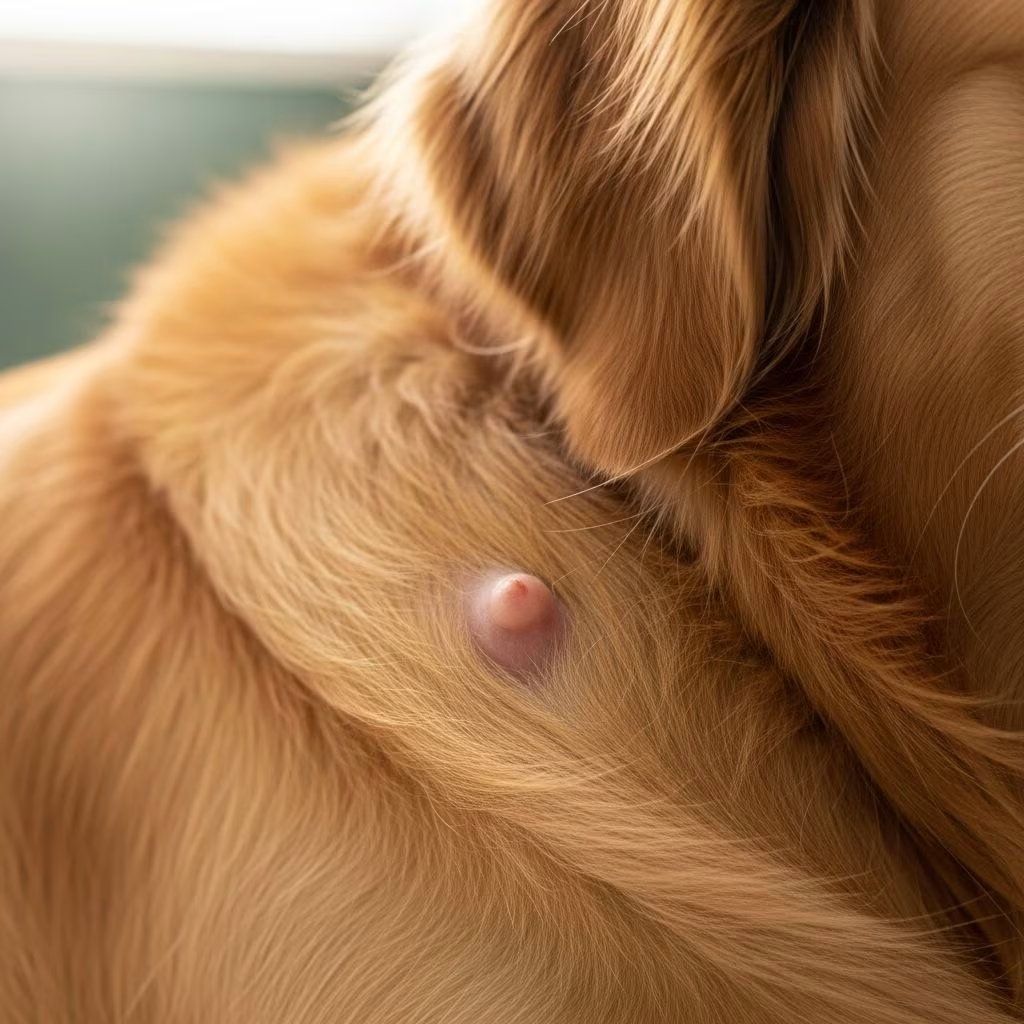
Skin tags are harmless, fleshy growths that frequently appear on dogs, especially as they age. These benign protrusions often arise from friction or genetic factors and rarely pose health risks unless irritated.
Recognizing Skin Tags on Your Dog
Spotting skin tags early helps distinguish them from more serious issues. They typically manifest as small, soft flaps of skin attached by a thin stalk, varying from tiny nubs to longer pendulous structures up to a few inches. Common sites include the chest, elbows, neck, eyelids, armpits, and groin areas where skin rubs or pressure occurs.
Appearance can mimic surrounding skin or appear darker, sometimes with a rough, warty texture. Unlike warts, they lack a broad base and dangle freely. Clusters often form on the chest of large breeds due to weight-bearing stress.
- Size and Shape: Pedunculated (stalked), soft, and mobile.
- Color: Matches skin tone or pigmented.
- Texture: Smooth or slightly irregular.
- Locations: Friction-prone zones like joints and folds.
Owners often notice them during grooming or petting. A single tag may precede multiples, signaling a tendency for recurrence.
Primary Causes Behind Canine Skin Tags
Skin tags develop from repeated skin trauma or inherent predispositions. Chronic friction tops the list, as skin responds to irritation by overgrowing.
Large, short-haired breeds like Boxers or Mastiffs show higher incidence on chest areas from lying on hard floors. Collars, harnesses, or skin folds exacerbate rubbing.
| Cause | Description | Common Sites |
|---|---|---|
| Friction/Irritation | Repeated rubbing from collars, folds, or surfaces | Neck, chest, elbows |
| Viral (Papilloma) | Rare clusters from canine papillomavirus | Mouth-adjacent, body |
| Genetics/Age | Breed predisposition in seniors | Multiple areas |
| Allergies/Hormones | Scratching or imbalances like hypothyroidism | Itch-prone spots |
Papillomavirus occasionally triggers tags alongside warts, resolving post-removal. Allergies prompt biting, fostering growths. Hormonal shifts in conditions like Cushing’s alter skin vulnerability.
Diagnosis: Ruling Out Serious Conditions
Veterinarians diagnose via visual exam, considering breed, age, and history. Suspicious tags warrant biopsy for confirmation, excising the entire growth for lab analysis.
Differentiate from tumors, cysts, or infections. Changes like rapid growth, bleeding, or ulceration demand checks. Fine-needle aspiration or histopathology ensures accuracy.
- Physical palpation assesses mobility and attachment.
- History review notes onset and changes.
- Biopsy for first or atypical tags.
Large breeds’ chest clusters are often presumptively skin tags, but novel appearances merit testing.
Treatment Options for Dog Skin Tags
Most require no intervention as they are cosmetic and painless. Removal is elective unless problematic.
Surgical excision under local or general anesthesia severs the stalk cleanly. Lasers offer precise, bloodless cuts for sensitive areas like eyelids. Antivirals treat papilloma-linked clusters.
Post-removal care involves e-collars to prevent licking and monitoring for infection.
Non-Surgical Management
- Observe for irritation or growth.
- Clean gently with vet-approved wipes.
- Avoid home remedies like cutting—risks bleeding/infection.
When to Consult a Veterinarian Urgently
Monitor tags routinely. Seek care for:
- Bleeding, swelling, or discharge signaling infection.
- Size/color changes or rapid multiplication.
- Discomfort: licking, scratching, or limping.
- Eyelid/mouth proximity causing interference.
- Sudden onset in young dogs.
These may indicate mimics like mast cell tumors or require intervention.
Preventing Skin Tags in Dogs
While not fully preventable, minimize risks:
- Provide soft bedding for heavy dogs.
- Fit collars/harnesses properly, check routinely.
- Clean skin folds daily.
- Manage allergies with vet-prescribed diets/meds.
- Regular grooming reduces friction.
- Annual skin exams for seniors.
Breeds prone to allergies or obesity benefit from weight control.
FAQs About Skin Tags on Dogs
Are skin tags cancerous in dogs?
No, they are benign. Biopsy confirms if atypical.
Can I remove skin tags at home?
No—risks severe complications. Vet removal only.
Do skin tags hurt dogs?
Usually not, unless caught or infected.
Why do older dogs get more skin tags?
Aging skin thins, genetics amplify friction effects.
How much does removal cost?
Varies by size/location; consult your vet for estimates.
Breed Predispositions and Statistics
Large breeds like Great Danes, Labs, and Pugs show elevated rates due to body type. Older dogs (7+ years) comprise most cases.
No exact prevalence stats exist, but vets report commonality in clinics, underscoring routine monitoring.
Long-Term Skin Health for Dogs
Beyond tags, holistic care prevents issues. Balanced nutrition supports skin integrity; omega-3 supplements aid inflammation. Flea control averts allergic dermatitis.
Monthly at-home checks complement vet visits. Early detection ensures minor issues stay minor.
References
- Skin Tags on Dogs: How to Identify & Treat Them — Purina. 2023. https://www.purina.com/articles/dog/health/skin-fur-ears/skin-tags-on-dogs
- Skin Tags on Dogs — PetMD. 2024. https://www.petmd.com/dog/conditions/skin/skin-tags-dogs
- Skin Tags in Dogs – Causes, Treatment and Associated — Vetster. 2024. https://vetster.com/en/conditions/dog/skin-tags
- Skin Tags (Acrochordon or Fibroepithelial Polyps) in Dogs — PetPlace. 2023. https://www.petplace.com/article/dogs/diseases-conditions-of-dogs/skin-tags-acrochordon-fibroepithelial-polyps-dogs
- Why Does My Dog Have Skin Tags? — Cheyenne Pets. 2024. https://cheyennepets.com/blog/why-does-my-dog-have-skin-tags/
- Dog Skin Tags: Facts, Causes & Diagnosis — Hill’s Pet. 2023. https://www.hillspet.com/dog-care/healthcare/dog-skin-tags



