

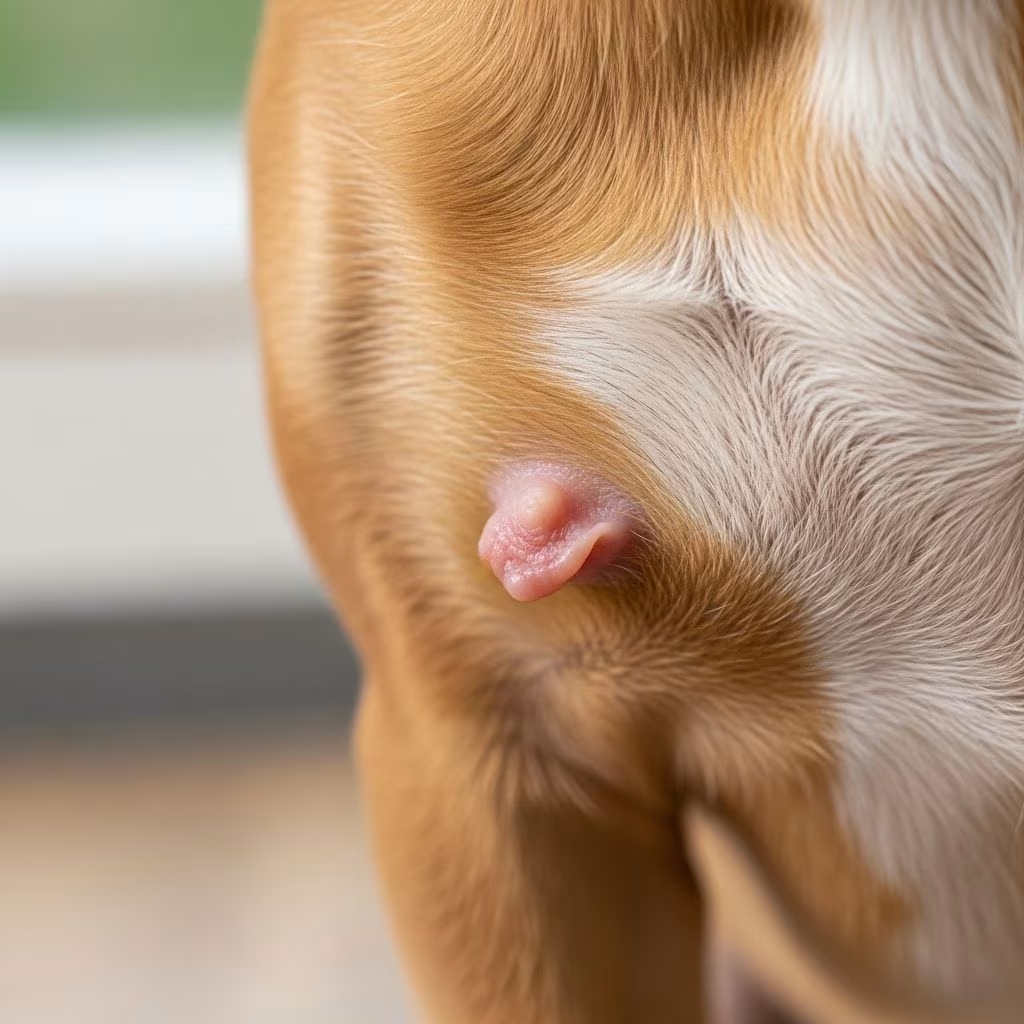
Skin tags on dogs are common, benign growths that appear as small flaps or bumps on the skin, typically posing no health threat unless irritated.
Understanding Canine Skin Tags
These growths, also known as acrochordons, consist of excess skin attached by a thin stalk. They frequently develop in areas prone to movement or contact, such as the neck, chest, armpits, or legs. While harmless in most cases, distinguishing them from other lumps ensures timely care.
Dogs of any age can develop them, though older pets and certain breeds like Bulldogs or those with loose skin are more susceptible due to friction hotspots.
Primary Causes of Skin Tags
Several factors contribute to their formation, with friction being the leading trigger.
- Chronic Friction and Irritation: Repeated rubbing from collars, harnesses, skin folds, or resting on hard surfaces causes skin to thicken and form tags. This is prevalent in pressure points like elbows, knees, and chest.
- Viral Infections: Papilloma virus occasionally leads to tag-like lesions, often in clusters. These usually resolve naturally or with removal.
- Genetic Predisposition: Some breeds show higher incidence, suggesting hereditary influences.
- Hormonal or Environmental Factors: Age-related changes or allergies may indirectly promote growth through excessive scratching.
Visual Identification Guide
Recognizing skin tags early prevents unnecessary worry. Key characteristics include:
| Feature | Description |
|---|---|
| Appearance | Small, soft flap or stalk-like protrusion; smooth, wrinkled, or warty surface matching surrounding skin tone or slightly darker. |
| Size | Tiny (pea-sized) to a few inches long; single or in clusters. |
| Location | Neck, chest, legs, armpits, groin; friction-prone areas. |
| Texture | Fleshy, movable; attached by narrow base. |
Monitor for changes: rapid growth, irregular borders, darkening, bleeding, or ulceration may signal issues beyond benign tags.
When to Consult a Veterinarian
Not all growths are tags; professional evaluation rules out tumors or infections. Seek vet care if:
- The tag bleeds, swells, or emits odor/pus, indicating infection.
- Your dog licks, scratches, or shows discomfort.
- Color, size, or shape alters suddenly.
- Multiple new growths appear rapidly.
Vets diagnose via physical exam, history, and often biopsy for first-time or suspicious cases, removing the entire tag for analysis.
Available Treatment Options
Treatment is elective unless problematic. Options include:
- Observation: Most tags need no intervention if asymptomatic.
- Surgical Excision: Local/general anesthesia; quick cut at base, possible stitches.
- Cryotherapy: Freezing with liquid nitrogen; ideal for small tags, may need repeats.
- Electrocautery/Cauterization: Burns off tag, sealing vessels to reduce bleeding.
- Ligation: Ties base to cut blood supply; tag falls off naturally.
- Antivirals: For papilloma-related cases with multiples.
Post-removal, monitor for infection; antibiotics may treat secondary issues.
Home Management and Prevention Strategies
Prevent irritation and support skin health without medical procedures.
- Regular Grooming: Brush to improve circulation and detect changes early.
- Proper Fittings: Ensure collars/harnesses don’t rub; pad pressure areas.
- Soft Bedding: Use padded beds to minimize hard-surface contact.
- Skin Care Aids: Aloe vera or vitamin E topicals soothe mild irritation (vet-approved).
- Allergy Control: Manage fleas, diet, or environmental triggers to reduce scratching.
Avoid home removal—risks infection or incomplete excision.
FAQs on Dog Skin Tags
Are skin tags cancerous in dogs?
Typically benign and non-cancerous, but changes warrant biopsy to confirm.
Do all dogs get skin tags?
No, but older dogs and friction-prone breeds are more likely.
Can skin tags fall off on their own?
Rarely; viral ones might, but most persist without intervention.
Is removal painful for dogs?
Performed under anesthesia, so no; recovery is quick.
How much does removal cost?
Varies by method/location; consult vet for estimates.
Long-Term Skin Health for Your Dog
Maintaining overall dermatological wellness reduces tag formation. Balanced diet, routine check-ups, and prompt itch management keep skin resilient. Breeds with folds benefit from clean, dry skin folds daily. Integrating these habits ensures tags remain minor nuisances, not concerns.
This guide empowers owners to monitor and act confidently, prioritizing pet comfort.
References
- Skin Tags on Dogs – PetMD — PetMD. 2023. https://www.petmd.com/dog/conditions/skin/skin-tags-dogs
- Skin Tags on Dogs: Identification, Causes & Treatments — Modern Vet. 2024. https://modernvetga.com/skin-tags-on-dogs-identification-causes-treatments/
- Skin Tags in Dogs – Causes, Treatment and Associated Conditions — Vetster. 2023. https://vetster.com/en/conditions/dog/skin-tags
- Skin Tags on Dogs: How to Identify & Treat Them — Purina US. 2024. https://www.purina.com/articles/dog/health/skin-fur-ears/skin-tags-on-dogs
- How To Manage Skin Tags On Dogs — Dogs Naturally Magazine. 2024. https://www.dogsnaturallymagazine.com/how-to-manage-skin-tags-on-dogs/
- Skin Tags on Dogs: Medically Reviewed Advice — MetLife Pet Insurance. 2023. https://www.metlifepetinsurance.com/blog/pet-health/skin-tags-on-dogs/
- Dog Skin Tags: Facts, Causes & Diagnosis — Hill’s Pet Nutrition. 2024. https://www.hillspet.com/dog-care/healthcare/dog-skin-tags



