
Squamous Cell Carcinoma In Cats: Signs, Diagnosis, Treatment
Understanding feline skin cancer: symptoms, diagnosis, and effective treatment options for cat owners.
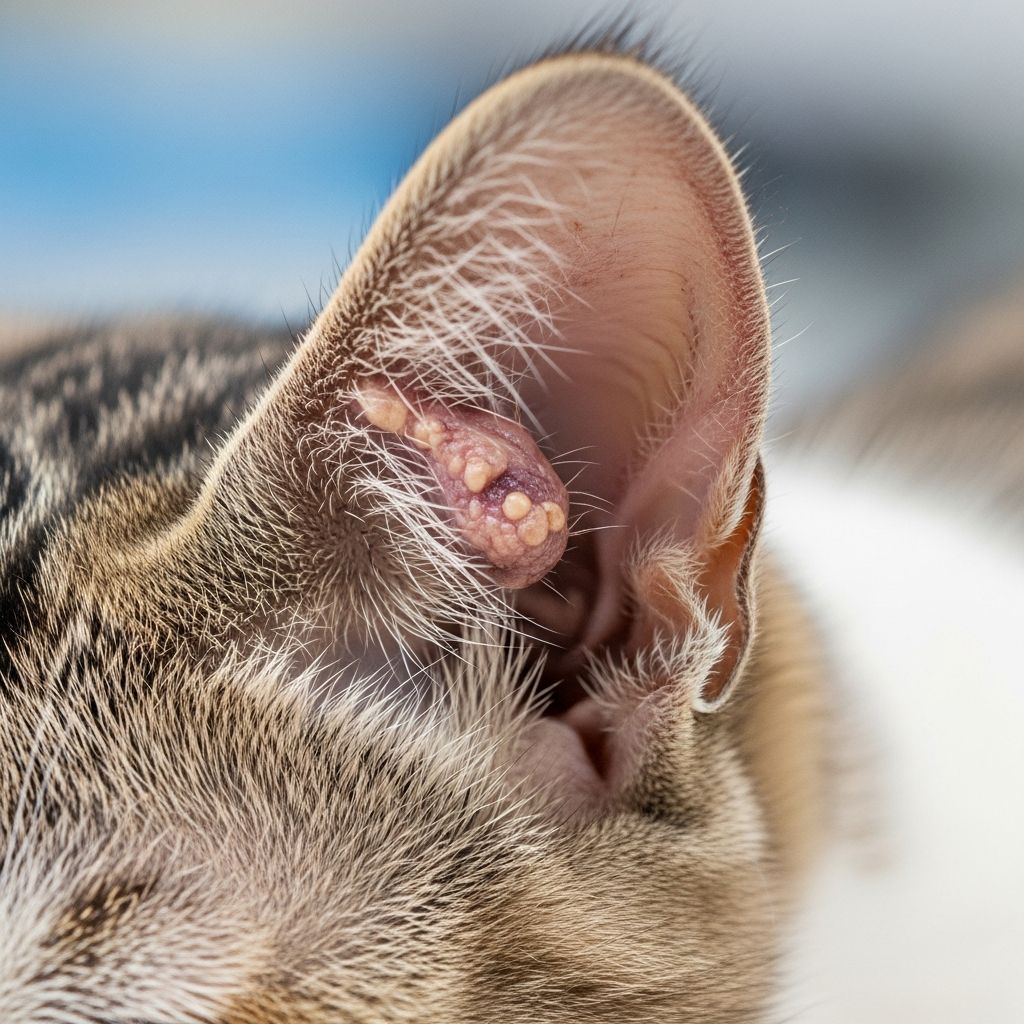
Understanding Squamous Cell Carcinoma in Cats
Squamous cell carcinoma (SCC) is a type of skin cancer that affects cats of all ages, though it is more commonly seen in older felines. This malignant tumor develops from the flat, scale-like cells that comprise the outer layer of the skin. While skin cancer in cats can be a serious condition, understanding its characteristics, recognizing early warning signs, and knowing available treatment options can significantly improve outcomes and quality of life for affected cats.
The condition manifests differently depending on its location and stage of progression. Early detection and prompt veterinary intervention are crucial for achieving the best possible prognosis. Many cat owners are unaware of the risks and symptoms associated with this disease, making education an essential component of preventive pet care.
What Causes Squamous Cell Carcinoma in Cats
Squamous cell carcinoma in cats is primarily associated with prolonged and cumulative sun exposure over the cat’s lifetime. Cats that spend significant time outdoors, particularly in sunny climates, face an elevated risk of developing this condition. The ultraviolet (UV) radiation from the sun damages the DNA in skin cells, and over years of exposure, this damage can lead to cancerous transformation.
Certain anatomical features increase vulnerability. Cats with white or light-colored fur, pink noses, and white ears are at higher risk because they lack adequate pigmentation to protect against UV radiation. Additionally, cats with thin or sparse fur on specific areas like the ears and nose are particularly susceptible. The condition typically develops on areas of the body that receive the most sun exposure, such as the ears, nose, eyelids, and lips.
While sun exposure is the primary risk factor, other contributing factors may include chronic inflammation, previous injuries to the skin, and immunosuppression. Some cats may have genetic predispositions that make them more prone to developing skin cancers when exposed to environmental triggers.
Recognizing Symptoms of Skin Squamous Cell Carcinoma
The symptoms of squamous cell carcinoma can vary depending on the size and location of the tumor, and early signs are often subtle and easy to overlook. Recognizing these warning signs early is essential for successful treatment and management.
Early Warning Signs
In the early stages, symptoms may be minimal and non-specific. Pet owners might notice a small scab, minor irritation, or a tiny sore on their cat’s head, ears, or nose. These lesions may appear as a single bump or multiple growths. The affected area might seem slightly red or irritated, and the cat may occasionally lick or scratch at the spot. Because these early signs are subtle, they are frequently mistaken for minor skin injuries or other benign conditions.
Progressive Symptoms
As the disease advances, symptoms become more pronounced. You may observe obvious redness, swelling, and inflammation of the affected area. Hair loss around the lesion is common, and the wound may fail to heal despite time passing. The area may become crusty, scabby, or ulcerated. In some cases, the tumor may bleed or discharge fluid. The cat might show increased licking or scratching behavior around the affected site, which can lead to secondary infections and further complications.
Differential Diagnosis Considerations
Because these symptoms closely resemble other common feline skin conditions, accurate diagnosis is imperative. Ringworm, a fungal infection, can present with similar red, scabby lesions and hair loss. Sarcoptic mange, caused by parasitic mites, produces itching and skin irritation. Allergic dermatitis can also cause inflammation and scratching behavior. A thorough veterinary examination and appropriate diagnostic testing are necessary to differentiate squamous cell carcinoma from these other conditions.
Diagnostic Procedures for Squamous Cell Carcinoma
Accurate diagnosis of squamous cell carcinoma requires a comprehensive evaluation by a veterinarian. The diagnostic process typically involves several steps to confirm the presence of cancer and assess its extent.
Physical Examination
Your veterinarian will begin with a thorough physical examination of your cat, paying particular attention to the skin and any suspicious lesions. They will assess the size, appearance, and location of any abnormal growths or wounds. They may palpate the area to determine if the tumor has invaded deeper layers of skin or underlying tissues.
Biopsy and Cytology
The most definitive diagnostic method is a biopsy, where a small sample of tissue is collected from the suspicious lesion and examined under a microscope by a pathologist. This histopathological examination can confirm whether the cells are cancerous and identify the specific type of cancer. Cytology, which involves collecting cells from the lesion surface, may provide initial insights but is less definitive than a full biopsy.
Staging and Additional Testing
Once squamous cell carcinoma is confirmed, your veterinarian may recommend additional imaging studies such as radiographs (X-rays) or ultrasound to determine if the cancer has spread to other areas of the body. Blood work and other laboratory tests may be performed to assess your cat’s overall health status and organ function, which is particularly important before considering treatment options like surgery or chemotherapy.
Treatment Options for Feline Skin Squamous Cell Carcinoma
The treatment approach for squamous cell carcinoma depends on several factors, including the size of the tumor, the number of lesions present, the depth of invasion, and your cat’s overall health status. Multiple treatment modalities are available, and your veterinarian may recommend a combination approach for optimal results.
Surgical Intervention
Surgery is the most well-described and often most effective treatment for skin squamous cell carcinoma in cats. Complete surgical removal of the tumor, with clear margins free of cancer cells, provides the best long-term control of the disease and offers the highest chance of cure. For small tumors that have not invaded deeply into the skin, surgical removal can often be performed under local or general anesthesia with minimal complications.
The extent of surgery required depends on the tumor’s location and size. Tumors on the ears may require removal of a portion or the entire ear, a procedure called pinnectomy. Tumors affecting the nose may require partial nose removal to achieve complete tumor excision. Tumors involving the toes may necessitate amputation of the affected digit. While these surgeries may sound extensive, most cats adapt remarkably well to these procedures and maintain excellent quality of life.
Cryosurgery
For small tumors, cryosurgery presents an alternative to traditional surgical excision. This technique uses extreme cold to destroy cancerous tissue. The procedure is minimally invasive, causes minimal bleeding, and typically requires only local anesthesia or brief sedation. Cryosurgery is particularly useful for small lesions on accessible areas like the ears or nose and often results in excellent cosmetic outcomes.
Radiation Therapy
Radiation therapy can be particularly effective for squamous cell carcinomas of the nose. This treatment involves using a specialized probe to deliver a high dose of radiation precisely to the tumor site, with minimal penetration beyond a few millimeters of skin. This focused approach allows for effective tumor control while minimizing systemic side effects and avoiding the nausea and illness often associated with traditional radiation therapy. Radiation therapy typically consists of multiple treatment sessions over several weeks.
Radiation may also be recommended following incomplete surgical removal to prevent or delay tumor regrowth. Definitive radiation therapy involves daily treatments for several weeks, while palliative radiation therapy consists of weekly treatments for four to six weeks and may slow tumor growth with fewer side effects.
Photodynamic Therapy
Photodynamic therapy represents an innovative treatment approach that uses light and light-sensitive chemicals to selectively destroy cancer cells. In this procedure, a photosensitive chemical is injected and absorbed preferentially by cancer cells. When exposed to laser light, only the cancer cells absorb the energy and are destroyed, while normal cells remain unharmed as the laser light passes harmlessly through them.
Emerging research on nanobody-targeted photodynamic therapy shows promise for treating oral and potentially cutaneous squamous cell carcinoma in cats. This advanced variation uses tumor-cell targeted antibody fragments coupled to the light-sensitive chemical, providing more precise targeting of cancerous tissue with fewer side effects and no requirement for sun avoidance afterward.
Laser Ablation
Laser ablation involves using laser energy to destroy tumors. The carbon dioxide laser has made both surgical procedures and tumor treatment more manageable and less painful for feline patients. This technique can be particularly useful for small, well-defined lesions and offers excellent hemostasis (control of bleeding) with minimal trauma to surrounding tissues.
Chemotherapy
Chemotherapy is generally less effective for cutaneous squamous cell carcinoma compared to other malignancies. However, intralesional chemotherapy, where chemotherapy drugs are injected directly into the tumor, may be considered in certain cases. This localized approach delivers high drug concentrations directly to cancer cells while minimizing systemic toxicity.
Topical Treatments
For a unique variant of skin squamous cell carcinoma called Bowenoid carcinoma or Bowen’s disease, which affects multiple skin sites, topical medications may be beneficial. These medications are applied directly to the affected areas and can help manage this particular form of the disease.
Prognosis and Long-Term Outcomes
The prognosis for cats with cutaneous squamous cell carcinoma is generally favorable, particularly when the tumor is detected early and completely removed. Most cats with skin SCC that undergo appropriate local therapy, such as surgery or radiation, enjoy excellent long-term control of the disease and normal lifespans. For small, well-defined lesions treated with complete surgical excision, cure rates are quite high.
However, cats with large or highly invasive lesions that cannot be completely removed face a poorer long-term prognosis. Even in these cases, most cats can be maintained comfortably for six to twelve months with palliative therapy and pain management. It is important to note that cats that develop sun-induced skin squamous cell carcinoma may be at risk for developing additional lesions in the future, making ongoing monitoring essential.
Post-Treatment Monitoring and Prevention
Following successful treatment of squamous cell carcinoma, regular veterinary check-ups are essential to monitor for recurrence or the development of new lesions. Your veterinarian will examine the treated area and surrounding skin for any signs of cancer returning. For cats with suspected sun-induced tumors, limiting sun exposure is beneficial in the long term.
Preventive measures can reduce the risk of developing additional skin cancers. Limiting your cat’s time outdoors, particularly during peak sun hours, provides significant protection. Providing shaded areas in your cat’s outdoor environment and considering protective clothing or sunscreen specifically formulated for cats may offer additional defense against UV radiation.
Frequently Asked Questions About Feline Squamous Cell Carcinoma
Q: Is squamous cell carcinoma in cats hereditary?
A: While there may be individual genetic variations that affect susceptibility, squamous cell carcinoma in cats is primarily caused by sun exposure rather than being inherited. Cats with light coloring and limited pigmentation are at higher risk due to their genetic makeup affecting sun protection.
Q: Can indoor cats develop squamous cell carcinoma?
A: Yes, indoor cats can develop this cancer, though the risk is significantly lower than for outdoor cats. Cats sitting by sunny windows for extended periods may accumulate UV exposure, though window glass filters some harmful rays.
Q: How quickly does squamous cell carcinoma progress in cats?
A: The progression rate varies widely depending on individual factors and tumor characteristics. Early lesions may appear unchanged for months or years, while advanced tumors can progress more rapidly. This variability underscores the importance of early detection.
Q: What is the survival rate for cats treated for squamous cell carcinoma?
A: For cutaneous SCC with complete surgical removal, survival rates are excellent with most cats enjoying normal lifespans. Even without treatment, most cats remain comfortable for six to twelve months with palliative care and pain management.
Q: Can squamous cell carcinoma be prevented?
A: While complete prevention is not guaranteed, significantly reducing sun exposure, particularly for cats with light coloring or white ears and noses, substantially lowers the risk of developing this cancer.
References
- Squamous Cell Carcinoma (SCC) in Cats — Long Beach Animal Hospital. https://lbah.com/feline/squamous-cell-carcinoma-scc-in-cats/
- New Treatment for Squamous Cell Carcinoma in Cats — Morris Animal Foundation. 2021-09-28. https://www.morrisanimalfoundation.org/article/new-treatment-squamous-cell-carcinoma-cats
- Squamous Cell Carcinomas in Cats – PetMD — PetMD. https://www.petmd.com/cat/conditions/cancer/squamous-cell-carcinomas-cats
- Feline Oral Squamous Cell Carcinoma — North Carolina State University College of Veterinary Medicine. https://hospital.cvm.ncsu.edu/services/small-animals/cancer-oncology/oncology/feline-oral-squamous-cell-carcinoma/
- Feline Skin (Cutaneous) Squamous Cell Carcinoma — Veterinary Specialists. 2020-04-14. https://www.vetspecialists.com/vet-blog-landing/animal-health-articles/2020/04/14/feline-skin-squamous-cell-carcinoma
- Squamous Cell Carcinomas in Cats – VCA Animal Hospitals — VCA Animal Hospitals. https://vcahospitals.com/know-your-pet/skin-squamous-cell-carcinoma-in-cats
- Skin Cancer in Cats – PDSA — People’s Dispensary for Sick Animals. https://www.pdsa.org.uk/pet-help-and-advice/pet-health-hub/conditions/squamous-cell-carcinoma-cats
Similar Articles








Read full bio of medha deb




