

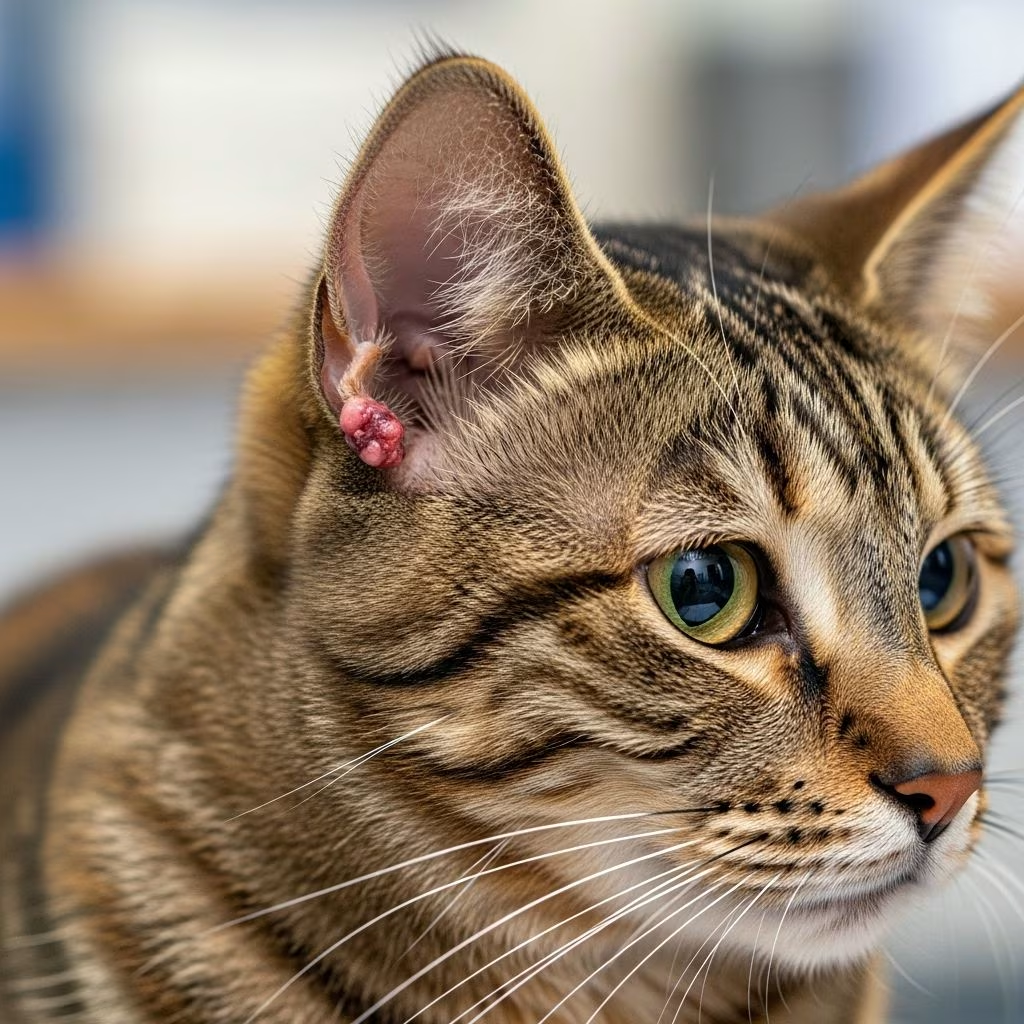
Understanding Squamous Cell Carcinoma in Cats
Squamous cell carcinoma (SCC) is one of the most common skin cancers diagnosed in cats, particularly in those with prolonged sun exposure or lighter-colored fur. This malignant tumor develops from the thin, flat squamous cells that make up the outer layer of the skin. Unlike some cancers that may remain dormant, SCC tends to be progressive and requires prompt veterinary attention. The disease is highly treatable if detected early, but can become lethal if left unnoticed, making regular skin examinations and prompt diagnosis crucial for feline health.
Cats of any age can develop SCC, but older cats and those with white or light-colored coats are at significantly higher risk. The condition most commonly affects sun-exposed areas of the body, particularly the ears, nose, eyelids, and lips. Understanding the risk factors, recognizing early symptoms, and knowing available treatment options can help cat owners make informed decisions about their pet’s care.
Risk Factors for Feline Squamous Cell Carcinoma
Several factors increase a cat’s likelihood of developing squamous cell carcinoma. Sun exposure stands as the primary risk factor, with chronic UV radiation damage accumulating over years to transform normal skin cells into cancerous ones. Cats that spend extended periods outdoors or rest in sunny windowsills face elevated risk. Breed characteristics also play a role, as cats with light-colored or white fur lack the protective pigmentation of darker-coated felines.
Age is another significant factor, as SCC typically affects middle-aged to older cats. Additionally, cats with compromised immune systems or certain genetic predispositions may be more susceptible. Previous skin inflammation, chronic wounds, or repeated trauma to specific areas can also increase cancer risk. Understanding these risk factors allows cat owners to implement preventive measures and maintain heightened awareness of potential symptoms.
Recognizing Symptoms of Squamous Cell Carcinoma
Early detection of SCC depends on recognizing subtle changes in a cat’s skin. Initial symptoms often manifest as minor irritations that may be easily overlooked by pet owners. Awareness of both early warning signs and advanced symptoms is essential for timely intervention.
Early Signs and Symptoms
In the early stages of SCC, symptoms can be remarkably subtle. A small scab, sore, or minor ulceration may appear on the ears, nose, or other sun-exposed areas. These lesions might seem insignificant at first, resembling common skin irritations. Itchiness and scratching in the affected area may cause cats to lick or bite at the location, potentially worsening the lesion. Hair loss around the affected site may also be noticed. These early manifestations can easily be mistaken for minor skin conditions or allergies, which is why an accurate diagnosis is imperative.
Advanced Symptoms
As squamous cell carcinoma progresses, symptoms become more pronounced and obvious. The affected area may show significant redness, inflammation, and more extensive scabs or sores. Ulceration of the nose, particularly affecting the flat portion, is a common presentation. Multiple lesions may develop across the ears and other areas. Some cats may experience pain, which can lead to behavioral changes such as increased grooming of the area, reluctance to play, or changes in social behavior. Weight loss and general lethargy may also accompany advancing disease.
Diagnosis of Squamous Cell Carcinoma
Accurate diagnosis is critical for establishing an appropriate treatment plan. Veterinarians employ several diagnostic methods to confirm SCC and determine the extent of the disease.
A thorough physical examination forms the foundation of diagnosis. The veterinarian will inspect all skin surfaces, paying particular attention to sun-exposed areas. Any suspicious lesions will be carefully evaluated for size, appearance, and location. The examination may reveal single or multiple lesions, which affects treatment planning.
Definitive diagnosis typically requires a skin biopsy, where a small sample of tissue is removed and examined under a microscope by a pathologist. This histopathological examination confirms the presence of malignant squamous cells and rules out other skin conditions that may mimic SCC, such as ringworm, sarcoptic mange, or simple allergic dermatitis. Additional diagnostic imaging, such as X-rays or ultrasound, may be recommended to determine whether the cancer has spread to lymph nodes or other organs.
Treatment Options for Squamous Cell Carcinoma
Treatment approaches for SCC vary depending on the size, location, and invasiveness of the tumor. The course of treatment will depend on how large the cat’s tumor is and how many tumors are present. Several options may be available, and veterinarians often tailor treatment plans to individual patient circumstances.
Surgical Removal
Surgery remains the gold standard and most well-described treatment for squamous cell carcinoma of the skin. Surgical removal appears to provide the best long-term control of the disease if the tumor can be completely removed, meaning no cancer cells are left behind. The procedure involves excising the entire tumor with adequate margins of healthy tissue to ensure complete removal. For tumors on the ears, a pinnectomy (partial or complete ear removal) may be necessary. Tumors affecting the toes require amputation of the affected digit.
For small tumors that have not spread to other organs, cryosurgery—a freezing procedure using extreme cold to destroy diseased tissue—may be an effective alternative to traditional surgery. The carbon dioxide laser has also revolutionized surgical treatment, making procedures more manageable and less painful for patients.
Radiation Therapy
Radiation therapy represents an effective alternative or complementary treatment, particularly for tumors in specific locations. Treatment of squamous cell carcinomas of the nose is often successful with radiation therapy, which involves using a probe to deliver a high dose of radiation to a very small area that only penetrates a few millimeters of skin. This approach allows for effective tumor control without making the cat sick from radiation. If a tumor is incompletely removed surgically, definitive radiation therapy can help prevent or delay regrowth. Superficial radiation therapy with strontium is also available and is very well tolerated and effective for skin SCC.
Photodynamic Therapy
Emerging treatments like photodynamic therapy offer promising alternatives. This innovative approach involves injecting a photosensitive chemical that is absorbed only by cancerous cells. A laser is then used to selectively destroy these cancer cells while leaving normal tissue unharmed. Recent advances include nanobody-targeted photodynamic therapy, which uses tumor-cell targeted antibody fragments to more precisely target cancerous tissue while eliminating the need to avoid sunlight and timing issues associated with conventional photodynamic therapy.
Other Treatment Modalities
Additional treatment options that may be possible for skin SCC include laser ablation and intralesional chemotherapy. For a unique type of skin SCC called Bowenoid carcinoma (Bowen’s disease), which affects multiple sites, a topical medication may be useful. Veterinary oncologists can discuss the various advantages and disadvantages of these options with cat owners to determine the most appropriate approach.
Palliative Care
Pain management is an important component of SCC treatment. Pain relief medications and anti-inflammatory drugs can help manage discomfort and improve quality of life. In cases where tumors cannot be completely removed, palliative care focuses on keeping the cat comfortable rather than attempting curative treatment.
Prognosis and Long-Term Outcomes
The prognosis for cats with squamous cell carcinoma depends significantly on several factors, including the size of the tumor, its location, the extent of invasion, and how early it is detected. In most cats with cutaneous SCC, the prognosis following local therapy such as surgery or radiation therapy is excellent, particularly for small, localized lesions. For large, more invasive lesions, the long-term prognosis is poor if the tumor cannot be removed, but most cats can be made comfortable for six to twelve months with palliative therapy.
Cats with early-stage disease that is completely removed surgically often experience extended disease-free periods. However, because SCC is often sun-induced, monitoring for new skin lesions is essential, as cats may develop additional lesions. Limiting sun exposure following treatment may be beneficial in the long term.
Prevention and Sun Protection
While not all cases of squamous cell carcinoma can be prevented, reducing UV exposure significantly decreases the risk of developing this cancer. Limiting a cat’s time in direct sunlight, particularly during peak UV hours (10 AM to 4 PM), can help protect the skin. Providing shaded areas for outdoor cats and encouraging indoor living can substantially reduce sun exposure. For cats that must spend time outdoors, protective clothing or specially formulated pet sunscreen applied to vulnerable areas may provide additional protection. Regular skin examinations at home allow owners to detect any suspicious lesions early, enabling prompt veterinary consultation.
Post-Treatment Monitoring and Care
After treatment for squamous cell carcinoma, ongoing monitoring is essential. Regular veterinary examinations allow early detection of recurrence or new lesions. Cats should be examined monthly initially, then at least every three to six months long-term. Pet owners should perform regular skin checks at home, paying special attention to sun-exposed areas. Any new lesions, changes in existing scars, or signs of recurrence should be reported to the veterinarian immediately. Maintaining sun protection measures post-treatment can help prevent new tumors from developing.
Frequently Asked Questions About Feline Squamous Cell Carcinoma
Q: Is squamous cell carcinoma in cats contagious to other cats or humans?
A: No, SCC is not contagious. Cancer cells cannot spread between animals or from animals to humans. This is a disease of individual cells becoming malignant within one cat’s body.
Q: Can indoor cats develop squamous cell carcinoma?
A: Yes, indoor cats can develop SCC, though their risk is lower than outdoor cats. Cats that sit in sunny windowsills receive significant UV exposure and may develop SCC. All cats with light-colored fur should have sun protection regardless of indoor or outdoor status.
Q: What is the success rate of surgical removal?
A: Surgery provides excellent long-term control when the tumor can be completely removed. Many cats experience cure or extended disease-free periods following successful surgical resection.
Q: How often should I examine my cat’s skin?
A: Pet owners should perform regular skin checks, at least monthly, paying particular attention to ears, nose, eyelids, and lips. Any unusual lesions, scabs, or changes should be brought to veterinary attention promptly.
Q: Are there any side effects from radiation therapy?
A: Radiation therapy can cause ulceration and irritation to surrounding tissue. However, modern protocols aim to minimize these effects while maximizing tumor control. Your veterinarian will discuss potential side effects specific to your cat’s treatment plan.
Q: Can squamous cell carcinoma metastasize to other parts of the body?
A: Yes, SCC can metastasize, though skin SCC typically spreads to regional lymph nodes initially. This is why staging through diagnostic imaging may be recommended before treatment planning.
References
- Squamous Cell Carcinoma (SCC) in Cats — Laguna Beach Animal Hospital. Accessed November 2025. https://lbah.com/feline/squamous-cell-carcinoma-scc-in-cats/
- New Treatment for Squamous Cell Carcinoma in Cats — Morris Animal Foundation. September 28, 2021. https://www.morrisanimalfoundation.org/article/new-treatment-squamous-cell-carcinoma-cats
- Squamous Cell Carcinomas in Cats — PetMD. Accessed November 2025. https://www.petmd.com/cat/conditions/cancer/squamous-cell-carcinomas-cats
- Feline Skin (Cutaneous) Squamous Cell Carcinoma — VetSpecialists. April 14, 2020. https://www.vetspecialists.com/vet-blog-landing/animal-health-articles/2020/04/14/feline-skin-squamous-cell-carcinoma
- Squamous Cell Carcinomas in Cats — VCA Animal Hospitals. Accessed November 2025. https://vcahospitals.com/know-your-pet/skin-squamous-cell-carcinoma-in-cats
- Squamous Cell Cancer: Dangerous — Cornell Feline Health Center, Cornell University College of Veterinary Medicine. Accessed November 2025. https://www.vet.cornell.edu/departments-centers-and-institutes/cornell-feline-health-center/health-information/feline-health-topics/squamous-cell-cancer-dangerous
- Skin Cancer in Cats — People’s Dispensary for Sick Animals (PDSA). Accessed November 2025. https://www.pdsa.org.uk/pet-help-and-advice/pet-health-hub/conditions/squamous-cell-carcinoma-cats



