
Skin And Soft Tissue Tumors In Animals: A Pet Owner’s Guide
Comprehensive guide to recognizing, diagnosing, and managing common skin and soft tissue tumors in pets, with focus on dogs and key treatment strategies.
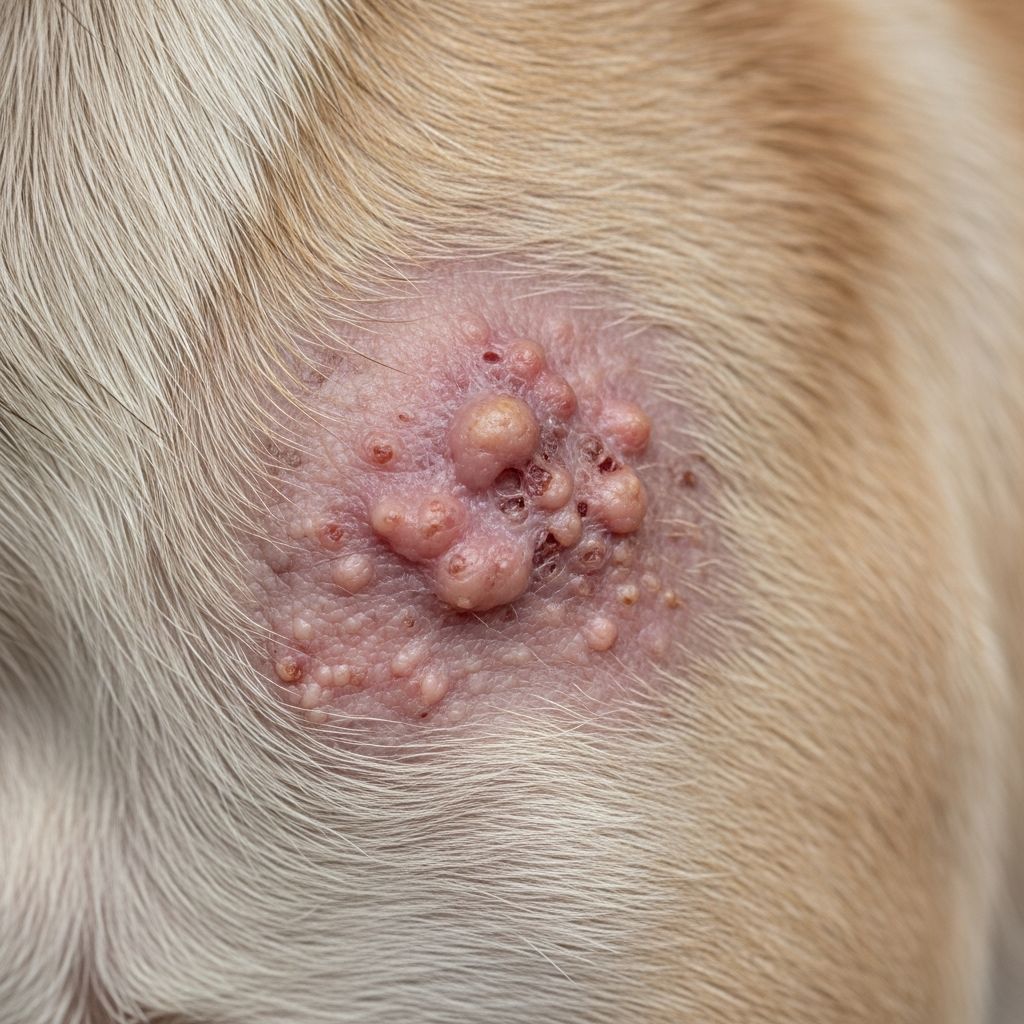
Skin and soft tissue tumors represent some of the most prevalent neoplastic conditions encountered in veterinary practice, particularly among companion animals like dogs and cats. These growths arise from the epidermis, dermis, subcutaneous layers, or associated adnexal structures, often becoming noticeable due to their superficial location. Early identification is crucial, as many are benign, but malignant forms can invade locally or metastasize, impacting animal health significantly.
Why Skin Tumors Are So Common in Pets
The skin serves as the body’s primary barrier to environmental threats, exposing it to carcinogens such as ultraviolet radiation, chemicals, and viral agents. Genetic predispositions and hormonal influences further contribute to tumor development. In dogs, these neoplasms account for up to one-third of all diagnosed tumors, largely because they are readily visible to owners. Studies indicate that older animals, females, and certain breeds face higher risks, with multicentric occurrences noted in about 14.6% of cases.
Benign tumors outnumber malignant ones, comprising roughly 62.9% of submissions in histopathological surveys, underscoring the importance of distinguishing between them through professional evaluation.
Prevalent Types of Benign Skin Tumors
Benign growths often present as lumps, nodules, or plaques that grow slowly and rarely spread. Common examples include:
- Histiocytomas: These are self-limiting tumors in young dogs, appearing as raised, hairless, ulcerated nodules. They typically regress within 2-3 months without intervention, though surgical excision may be needed if persistent.
- Hemangiomas: Benign vascular tumors resembling blood blisters, frequent on limbs and trunks in breeds like Boxers and Terriers. They can ulcerate and require removal for comfort and to rule out malignancy.
- Lipomas: Fatty tumors in subcutaneous tissue, locally invasive but non-metastatic. Breeds such as Labrador Retrievers are prone; wide surgical margins prevent recurrence.
- Sebaceous Gland Tumors: Accounting for 8.1% of cases, these arise from oil-producing glands and are common in older dogs.
Benign soft tissue tumors follow mast cell tumors in frequency at 9.7%, often manageable with excision.
Malignant Skin Tumors: Recognizing the Threats
Malignant variants demand prompt action due to their aggressive behavior. Key types include:
- Mast Cell Tumors (MCTs): The most common at 22.7%, these vary from cutaneous to subcutaneous forms. They favor hindlimbs, abdomen, and ribs, with higher incidence in Labradors, Boxers, and mixed breeds. Grading assesses malignancy; surgery remains primary, supplemented by chemotherapy for high-grade cases.
- Soft Tissue Sarcomas: Representing 7.6%, these infiltrate surrounding tissues. Complete excision with margins is essential to curb regrowth.
- Vascular Tumors (Angiosarcomas): At 7.9%, these rapid growers appear as red lumps or bruises, metastasizing to lungs and liver. Wide excision and adjunct chemotherapy are standard.
- Malignant Trichoepitheliomas: Rare but invasive, causing inflammation and necrosis; surgical removal with margins is curative in most instances.
Other notables include cutaneous lymphosarcomas, which may be primary or secondary to systemic disease, and histiocytosis in Bernese Mountain Dogs, featuring recurrent skin lesions.
Breed and Age Predispositions
Certain breeds exhibit heightened susceptibility. Boxers, Golden Retrievers, and German Shepherds face elevated risks for hemangiosarcomas, while Irish Wolfhounds and Vizslas develop them independently of sun exposure. Older dogs dominate statistics, with odds increasing with age. Females show higher odds than males, and purebreds slightly lower than mixed breeds. Anatomical hotspots include hindlimbs (12.1%), forelimbs (8.6%), buttocks (7.1%), and abdomen (6.5%), with 14.6% multicentric.
| Tumor Type | Prevalence (%) | Common Sites | Predisposed Breeds |
|---|---|---|---|
| Mast Cell Tumors | 22.7 | Hindlimb, Abdomen | Labrador, Boxer |
| Benign Soft Tissue | 9.7 | Multiple | Varied |
| Sebaceous Gland | 8.1 | Trunk | Older Dogs |
| Vascular Tumors | 7.9 | Legs, Trunk | Boxer, Terrier |
| Sarcomas | 7.6 | Subcutis | Golden Retriever |
Diagnostic Approaches for Accurate Identification
Initial assessment involves fine-needle aspiration (FNA) for cytology, providing rapid insights into cell morphology. Histopathology remains gold standard, often with immunohistochemistry to pinpoint origin. Margin evaluation post-excision predicts recurrence risk, with follow-up advised for at least two years. Imaging like ultrasound or radiographs checks for metastasis, especially in vascular or MCT cases.
Treatment Strategies: From Surgery to Advanced Therapies
Surgical excision with wide margins is cornerstone for most tumors. Cryosurgery or laser suits small benign lesions. For malignancies:
- MCTs: Grading dictates; low-grade excised cleanly, high-grade needs chemo/radiation.
- Sarcomas: Aggressive resection; local chemo during surgery.
- Angiosarcomas: Wide excision plus intraoperative chemotherapy.
Radiation follows surgery for incomplete margins, while systemic chemotherapy targets metastasis. Prognosis varies; benign tumors excel post-removal, malignant ones guarded if advanced. Sun avoidance prevents recurrent hemangiosarcomas in light-skinned dogs.
Owner’s Role in Prevention and Early Detection
Regular skin checks catch lumps early. Monitor for changes in size, color, ulceration, or itchiness. Limit UV exposure for at-risk breeds via sunscreen or shade. Spaying/neutering may influence some hormonal tumors, though evidence mixed. Prompt veterinary consults improve outcomes.
Prognostic Factors Influencing Outcomes
Tumor grade, size, location, and margins dictate success. Benign: Excellent. MCTs: 90%+ survival for low-grade. Sarcomas: Recurrence if incomplete excision. Long-term monitoring essential.
FAQs on Animal Skin Tumors
Are all skin lumps cancerous?
No, most are benign, but biopsy confirms.
How do I know if my dog’s lump needs removal?
Growth, ulceration, or fixation warrants vet evaluation.
Can skin tumors be prevented?
Not entirely, but sun protection and check-ups help.
What breeds are at highest risk?
Boxers, Retrievers, Terriers for various types.
Is chemotherapy painful for pets?
Generally well-tolerated, fewer side effects than humans.
References
- Tumors of the Skin in Dogs – Dog Owners – MSD Veterinary Manual — MSD Veterinary Manual. 2023. https://www.msdvetmanual.com/dog-owners/skin-disorders-of-dogs/tumors-of-the-skin-in-dogs
- Retrospective study of canine cutaneous tumors submitted to … — PMC (PubMed Central). 2022-02-21. https://pmc.ncbi.nlm.nih.gov/articles/PMC8875941/
- Overview of Tumors of the Skin and Soft Tissues in Animals — Merck Veterinary Manual. 2023. https://www.merckvetmanual.com/integumentary-system/tumors-of-the-skin-and-soft-tissues/overview-of-tumors-of-the-skin-and-soft-tissues-in-animals
Similar Articles








Read full bio of Sneha Tete


