

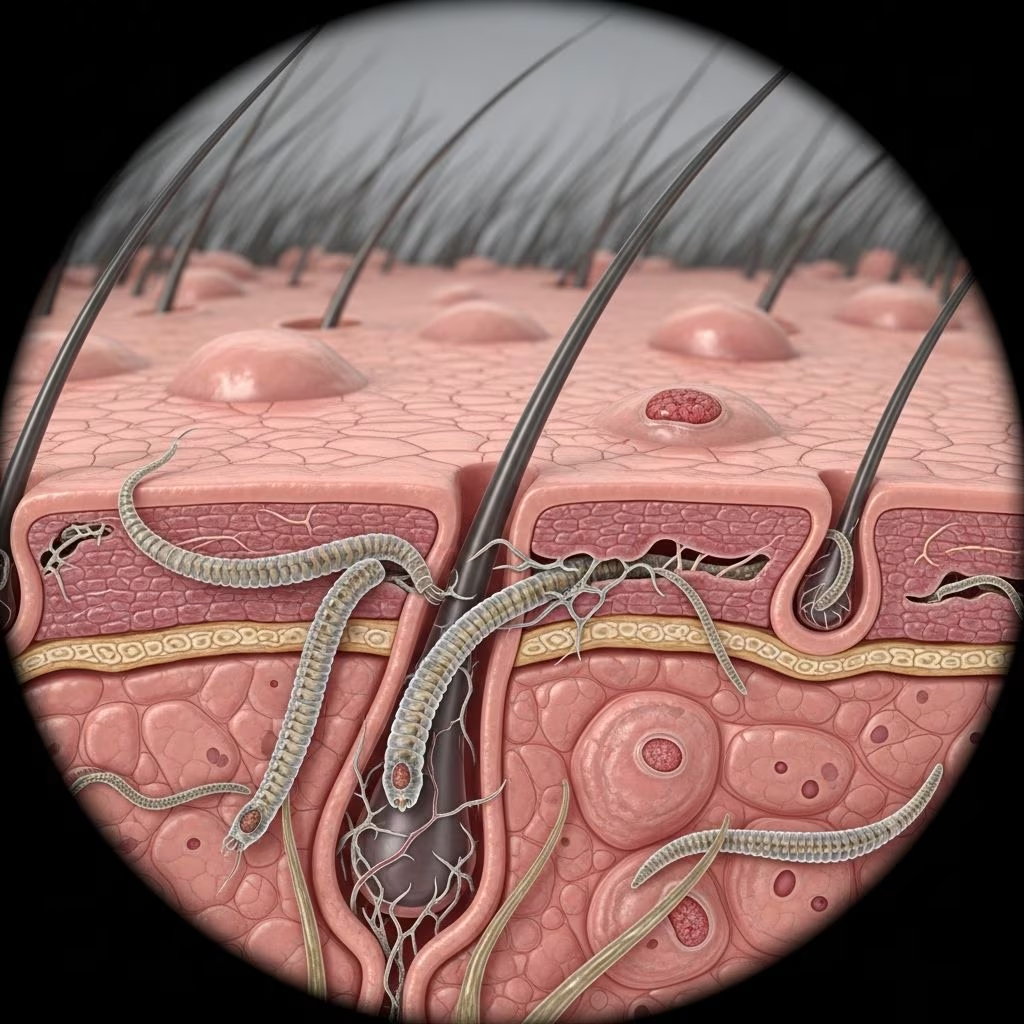
Parasitic worms that target the skin of cats can lead to uncomfortable conditions, often manifesting as itchy rashes, hair loss, or serpentine tracks under the skin. These infestations, primarily from hookworm larvae, penetrate the skin during contact with contaminated environments, prompting cat owners to recognize early signs for prompt intervention.
Understanding Cutaneous Parasite Infestations
Cutaneous larval migrans, a condition triggered by hookworm larvae such as those from Ancylostoma species, occurs when immature worms burrow into the cat’s skin after exposure to infected soil or feces. Unlike intestinal worms, these focus on dermal layers, causing inflammation without fully maturing in the host. Cats, especially those roaming outdoors, face higher risks due to their grooming habits and exploratory nature.
Symptoms typically include intense pruritus (itching), erythematous (red) tracks resembling winding paths, and localized swelling. In severe cases, secondary bacterial infections arise from scratching, leading to crusting or alopecia (hair loss). Kittens and immunocompromised cats may exhibit more pronounced reactions, with dehydration or lethargy if untreated.
Common Types of Skin-Burrowing Parasites
- Hookworm Larvae: Primary culprits like Ancylostoma tubaeforme penetrate paw pads or ventral abdomen skin, migrating subcutaneously and eliciting linear lesions.
- Other Nematodes: Rarely, roundworm larvae contribute to visceral migrations that secondarily affect skin integrity.
- Associated Ectoparasites: Fleas and mites exacerbate worm issues by transmitting intermediates or weakening skin barriers.
| Parasite Type | Skin Impact | Prevalence in Cats |
|---|---|---|
| Hookworm Larvae | Track-like rashes, itching | High in outdoor cats |
| Roundworm Larvae | Indirect irritation | Moderate |
| Flea-Transmitted | Allergy dermatitis aiding worm entry | Very high |
Transmission Pathways in Feline Environments
Cats acquire skin parasites through direct contact with larvae-laden soil, often in gardens, sandboxes, or communal litter areas contaminated by infected feces. Mother-to-kitten transmission occurs via milk or transplacental routes for some species, while fleas serve as vectors for tapeworm segments that indirectly compromise skin health. Indoor cats are not immune if owners inadvertently track in contaminants on shoes.
Zoonotic potential heightens concern; human skin contact with infested cat environments can cause similar cutaneous migrans, characterized by pruritic, serpiginous eruptions. Preventive hygiene, like daily litter scooping and paw cleaning, mitigates spread.
Recognizing Clinical Signs Early
Owners should monitor for hyperemia (reddened skin), papular eruptions, or serpentine patterns on feet, legs, or belly. Behavioral cues include excessive licking, limping, or restlessness at night when itching peaks. Unlike flea allergies, worm tracks are pathognomonic—distinctive linear paths confirming larval migration.
In advanced infestations, anemia from blood loss or poor nutrient absorption may dull coats and cause weight loss, overlapping with internal worm symptoms. Differentiating requires veterinary input, as visual inspection alone misses subclinical cases.
Veterinary Diagnosis Procedures
Diagnosis begins with a thorough history and dermatological exam, followed by skin scrapings or tape preps to detect larvae. Fecal flotation tests complement by identifying eggs from concurrent intestinal burdens. Advanced imaging like cytology or biopsies confirms nematode presence in persistent lesions.
Cornell Feline Health Center emphasizes fecal analysis for hookworms, noting larvae’s skin-penetrating ability. Early detection via routine check-ups prevents escalation, especially in multi-pet homes.
Treatment Protocols for Affected Cats
Treatment hinges on antiparasitic agents like pyrantel pamoate or fenbendazole, administered orally or topically to target migrating larvae. Multiple doses interrupt life cycles, with supportive care including antibiotics for secondary infections or fluids for dehydrated patients.
Severe hookworm cases may necessitate hospitalization with blood transfusions if anemia develops. Post-treatment, monitor for expelled worms in vomit or stool, a normal occurrence signaling efficacy.
Medication Overview
- Praziquantel: Effective against tapeworm segments aiding skin issues.
- Ivermectin Alternatives: For resistant mites co-infecting skin.
- Probiotics: Restore gut flora disrupted by dewormers.
Preventive Strategies for Long-Term Protection
Monthly broad-spectrum preventives covering fleas, ticks, and worms form the cornerstone, alongside environmental decontamination via hot washing bedding and vacuuming. Indoor-only lifestyles reduce exposure, but yearly fecal exams ensure vigilance.
AVMA advocates routine deworming and flea control to curb intestinal parasites spilling into skin manifestations. Educating households on zoonoses promotes shared hygiene practices.
Zoonotic Risks and Human Health Implications
Cat hookworm larvae rarely complete cycles in humans but cause cutaneous larval migrans upon skin penetration, presenting as itchy, advancing tracks resolvable with topical steroids or ivermectin. Children and gardeners face elevated risks from play areas.
CDC notes toxocariasis from roundworms as another concern, though primarily visceral. Handwashing post-litter handling and discouraging geophagia (dirt-eating) in cats safeguard families.
FAQs on Feline Skin Worms
Can indoor cats get skin parasitic worms?
Yes, via owner-tracked contaminants or fleas, though less commonly than outdoor cats.
How long do symptoms last after treatment?
Improvement within days, full resolution in weeks with follow-up dosing.
Are over-the-counter remedies safe?
No; consult vets to avoid toxicity, especially dog products lethal to cats.
Do kittens need special care?
Absolutely—deworm routinely from 2 weeks, as maternal transmission is common.
Can I see the worms on my cat’s skin?
Larvae are microscopic; tracks indicate presence, confirmed by tests.
Holistic Care and Monitoring Post-Recovery
Post-treatment, enhance immunity with balanced nutrition rich in omega-3s for skin health. Regular grooming removes potential vectors, while weight tracking flags reinfestations. Annual vet visits with parasite panels maintain control.
Integrating environmental management—prompt feces disposal, flea-free yards—sustains remission. Owners report thriving cats post-intervention, underscoring vigilance’s role.
References
- Gastrointestinal Parasites of Cats — Cornell University College of Veterinary Medicine. 2023. https://www.vet.cornell.edu/departments-centers-and-institutes/cornell-feline-health-center/health-information/feline-health-topics/gastrointestinal-parasites-cats
- Worms in Cats — PetMD. 2024-02-15. https://www.petmd.com/cat/conditions/infectious-parasitic/worms-cats
- Internal and External Parasites in Cats — Front Street Animal Hospital. 2022-11-01. https://www.frontstreetvet.com/en-ca/blog/november-2022/cat-parasites
- Everything You Need to Know About Worms in Cats — Small Door Veterinary. 2024. https://www.smalldoorvet.com/learning-center/medical/worms-in-cats
- About Toxocariasis — Centers for Disease Control and Prevention (CDC). 2024. https://www.cdc.gov/toxocariasis/about/index.html
- Intestinal parasites in cats and dogs — American Veterinary Medical Association (AVMA). 2023. https://www.avma.org/resources-tools/pet-owners/petcare/intestinal-parasites-cats-and-dogs



