

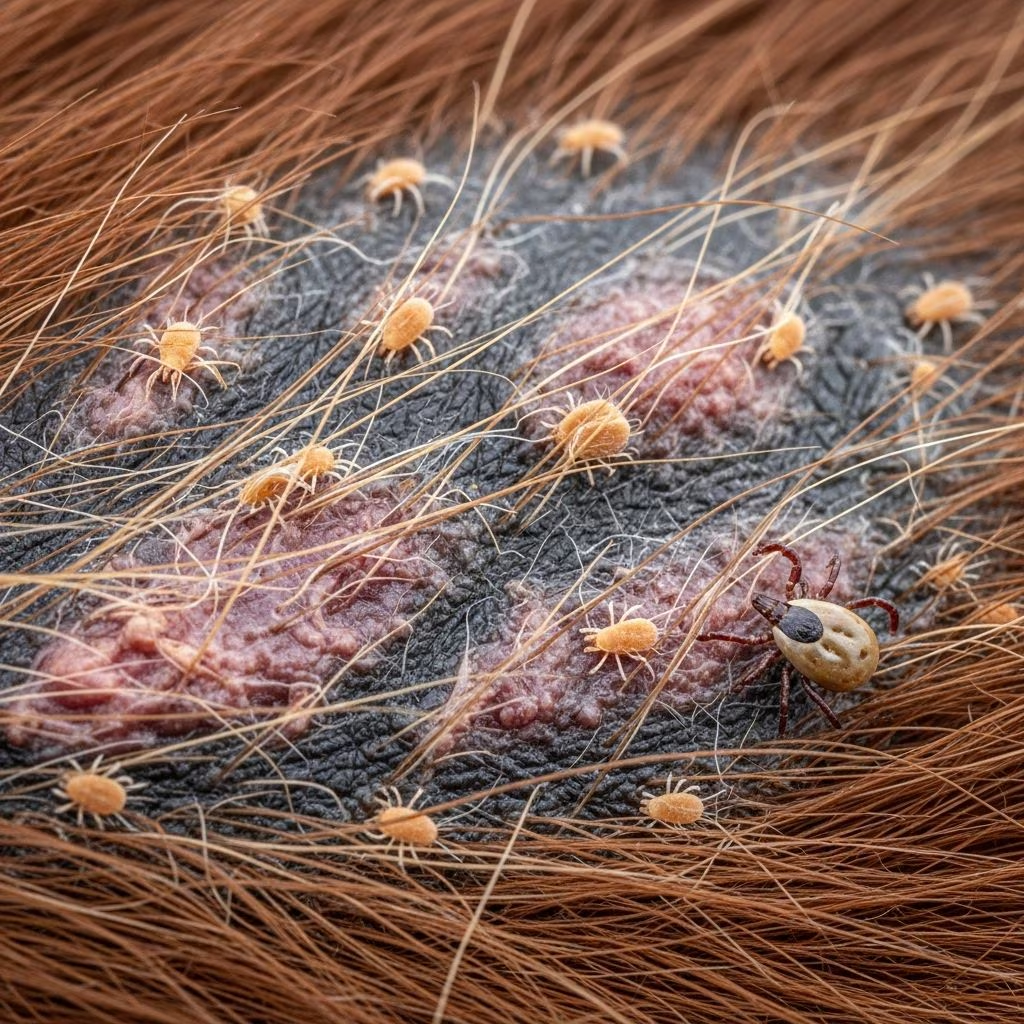
Parasitic worms that target the skin of horses can lead to painful, persistent lesions and discomfort, often exacerbated by seasonal factors and insect vectors. These conditions, while not always life-threatening, require prompt attention to prevent chronic issues and secondary infections. This guide delves into the primary types of skin-infesting parasites in equines, their life cycles, clinical manifestations, diagnostic approaches, and comprehensive management strategies.
Understanding Equine Cutaneous Parasitism
Horses are susceptible to several nematode species that migrate to the skin, causing dermatitis through direct tissue invasion or immune responses. Unlike intestinal parasites, these skin dwellers rely on flies or other intermediaries for transmission, making environmental control crucial. Key culprits include larvae from stomach worms like Habronema and Draschia species, which deposit in wounds via fly bites, and microfilariae from Onchocerca cervicalis, known as neck threadworms.
These parasites thrive in warm, humid climates where fly populations peak, typically from spring through fall. Immature stages burrow into breached skin or mucous membranes, triggering granulomatous inflammation characterized by raised, oozing sores or intense pruritus leading to self-trauma.
Major Types of Skin-Affecting Parasites
Summer Sores: The Fly-Borne Menace
Summer sores, or habronemiasis, arise when Habronema muscae, H. microstoma, or Draschia megastoma larvae are mechanically transferred by stable flies, houseflies, or face flies into preexisting skin abrasions, eye margins, or genital areas. Adult worms reside harmlessly in the stomach, shedding larvae in feces. Flies ingest these during feeding on manure, then regurgitate them onto horse skin hours later.
Common sites include lower limbs (especially fetlocks), sheath, udder, chest, and medial thighs. Lesions appear as hypertrophic, granulomatous ulcers with a greasy exudate, yellow-white calcified granules (dead larvae), and occasional visible worm segments. They often bleed easily and emit a foul odor. Ocular involvement leads to conjunctivitis, photophobia, epiphora, and eyelid edema. Genital lesions may cause pollakiuria due to fibrosis.
Untreated, sores may regress in winter but recur annually, possibly from dormant larvae or reinfestation. Secondary bacterial infections complicate healing, forming proud flesh.
Neck Threadworms: Itch-Inducing Invaders
Onchocerca cervicalis adults embed in the nuchal ligament, releasing microfilariae that migrate subcutaneously via blackflies. These larvae provoke a hypersensitivity reaction, manifesting as severe pruritus around the mane base, neck, shoulders, withers, and ventral abdomen. Affected horses rub vigorously, resulting in alopecia, excoriations, crusts, edema, and fistulous tracts.
Less commonly, microfilariae reach the eye, causing anterior uveitis with corneal edema (blue haze). Unlike summer sores, lesions are drier and more diffuse, without prominent granulation. Symptoms intensify in spring with fly activity surges.
Recognizing Symptoms Early
- Pruritus and self-mutilation: Tail rubbing, mane chewing, or leg stamping.
- Lesion characteristics: Moist, proliferative ulcers for habronemiasis; dry, crusted patches for onchocerciasis.
- Location-specific signs: Limb grease-like sores, periorbital swelling, penile preputial discharge.
- Systemic clues: Lethargy, weight loss if chronic or widespread.
Early detection hinges on vigilance during fly season, inspecting high-risk areas post-exercise or daily.
Diagnostic Approaches
Veterinary confirmation is essential, as symptoms mimic allergies, bacterial pyoderma, or fungal infections. For summer sores, deep skin scrapings, impression smears, or biopsies reveal larvae in ~50% of cases, though mineralization obscures them. Cytology shows eosinophils and necrotic debris. Biopsy confirms granulomas with worm remnants.
Neck threadworm diagnosis involves skin biopsies from pruritic sites or nuchal ligament samples, with microfilariae identifiable via histopathology or PCR. Fecal exams are negative, as these worms bypass the gut. Post-dewormer pruritus flare ( Mazzotti reaction) supports suspicion.
| Parasite | Key Diagnostic Test | Detection Rate |
|---|---|---|
| Summer Sores (Habronema) | Biopsy/Smear | ~50% |
| Neck Threadworms (Onchocerca) | Nuchal Biopsy | Variable |
Comprehensive Treatment Protocols
Management combines parasiticide therapy, anti-inflammatory support, wound care, and fly deterrence. Consult a veterinarian for tailored plans, as resistance and lesion severity vary.
Parasiticide Options
Macrocyclic lactones like oral or topical ivermectin (200 mcg/kg) or moxidectin effectively kill larvae. For summer sores, repeat dosing every 2-4 weeks; apply paste directly to lesions for higher local concentration. Neck threadworms require ivermectin every 8-12 weeks during fly season, though adults persist lifelong. Initial treatment may worsen itching as larvae die.
Wound Management
- Cleanse gently with chlorhexidine or povidone-iodine solutions; pat dry.
- Apply emollient ointments with DMSO to enhance penetration.
- Bandage limbs if feasible; change daily.
- Debride excessive granulation surgically or via cryotherapy/laser.
Anti-Inflammatory and Supportive Care
Topical or systemic corticosteroids (e.g., dexamethasone) reduce hypersensitivity. Antibiotics address secondary infections. For eyes, ophthalmic preparations soothe irritation.
Prevention: The Best Defense
Proactive measures target fly vectors and reduce exposure.
- Fly control: Remove manure weekly; use feed-through larvicides (e.g., cyromazine); apply permethrin repellents daily; install fly sheets/masks.
- Stable hygiene: Avoid overcrowding; screen barns; treat pastures.
- Deworming schedule: Target high-risk horses with fecal egg counts guiding ivermectin/moxidectin biannually.
- Skin integrity: Promptly treat cuts; avoid wounds during fly season.
FAQs
What causes summer sores in horses?
They result from Habronema larvae deposited by flies into skin wounds, leading to granulomatous dermatitis.
Can neck threadworms be fully eliminated?
No, adults in ligaments are inaccessible, but microfilariae can be managed with regular larvicides.
How long do treatments take to work?
Weeks to months; recurrence is common without prevention.
Are these parasites contagious between horses?
No, transmission requires flies; indirect spread doesn’t occur.
When should I call a vet?
At first sign of non-healing sores or intense rubbing.
Long-Term Monitoring and Prognosis
With vigilant care, most horses recover fully, though predisposed individuals may need lifelong management. Regular vet check-ups, fecal monitoring, and seasonal fly programs minimize risks. Track lesion photos for progress.
Emerging resistance to dewormers underscores targeted use via egg counts. Research into vaccines or novel larvicides offers hope, but integrated pest management remains cornerstone.
References
- Summer Sores (Habronema) in Horses: Causes, Treatment — Mad Barn. 2023. https://madbarn.com/summer-sores-in-horses/
- Neck Threadworm — Westgate Labs. 2024. https://www.westgatelabs.co.uk/info-zone/parasites-affecting-horses/neck-threadworm/
- Summer Sores in Horses — PetMD. 2023. https://www.petmd.com/horse/conditions/skin/summer-sores-horses
- Worms, Bugs, and Your Horse: 21st Century Parasite Control — The Horse. 2019-11-01. https://thehorse.com/1137442/worms-bugs-and-your-horse-21st-century-parasite-control/
- Summer Sores — UC Davis School of Veterinary Medicine. 2024. https://ceh.vetmed.ucdavis.edu/health-topics/summer-sores



