
Skin Papilloma in Pets: Causes, Symptoms, and Treatment
Understanding skin papillomas in pets: Recognize symptoms, explore treatment options, and prevent viral transmission.
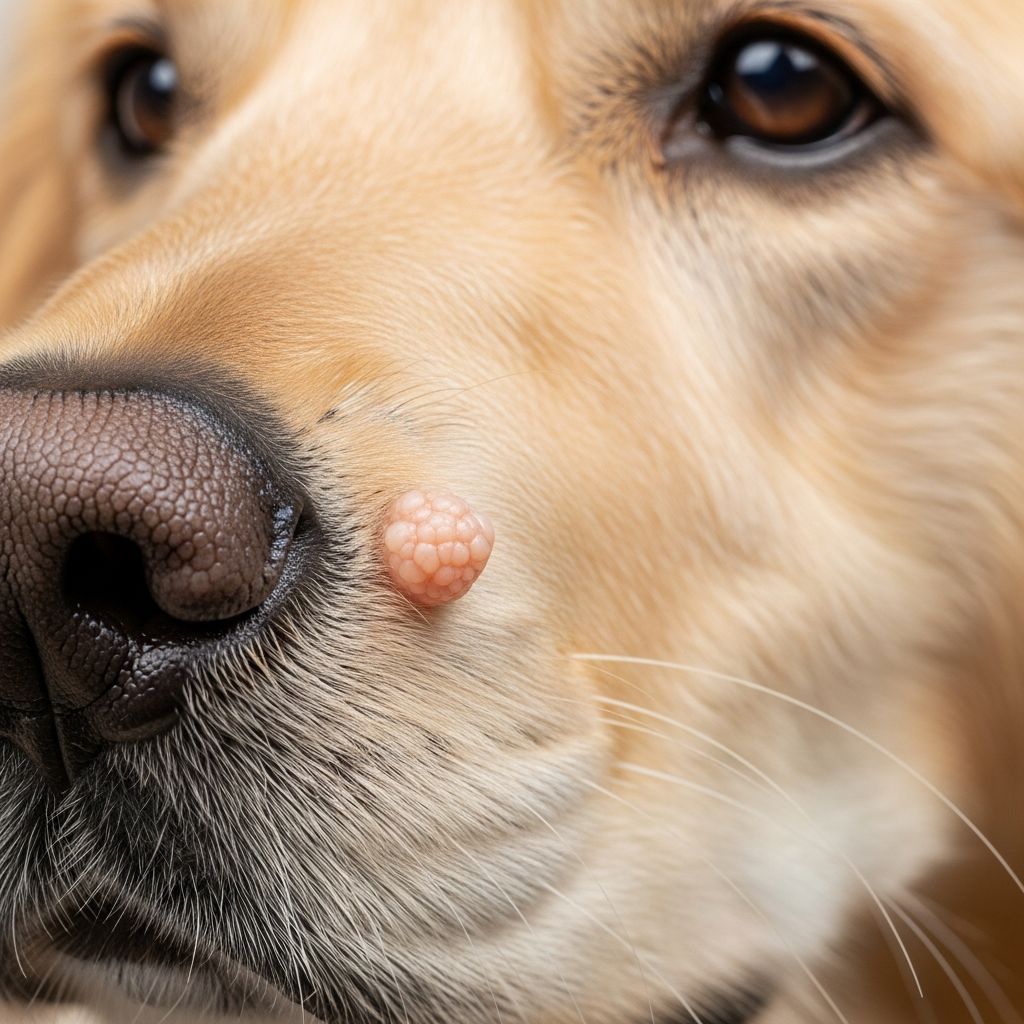
Understanding Skin Papilloma in Pets
Skin papillomas, commonly known as warts, are benign growths that affect both dogs and cats. These small, scaly bumps typically appear on the head, neck, limbs, and other areas of the body. While papillomatosis is relatively rare as a clinical condition in pets, the papillomavirus that causes it is actually quite common in the animal population. Understanding what papillomas are, how they develop, and when treatment is necessary can help pet owners make informed decisions about their animal’s health.
What Are Skin Papillomas?
Papillomas are benign tumors of the skin caused by papillomaviruses, which are a group of DNA viruses that disrupt normal cell division. Instead of cells dividing normally to create smooth tissue, they divide more frequently and in abnormal patterns, resulting in characteristic bumpy growths. These growths typically have a distinctive appearance that pet owners may describe as resembling a cauliflower or having a frond-like structure.
The key distinction between papillomas and other skin conditions is their viral origin and generally benign nature. However, it is important to note that if left untreated, papillomas can potentially develop into more serious cancerous lesions, making early recognition and proper veterinary evaluation essential for pet health and safety.
Causes and Risk Factors
Papillomatosis develops when a pet’s immune system fails to adequately control the papillomavirus infection. Most pets are exposed to papillomaviruses at some point in their lives, but their immune systems typically prevent the virus from replicating to the point where visible warts develop. In certain circumstances, however, the immune system cannot effectively suppress the virus.
Factors Contributing to Papilloma Development
Several factors increase the likelihood that a pet will develop visible papillomas:
– Age: Young animals and puppies/kittens with immature immune systems are particularly susceptible to developing papillomas, as their bodies have not yet fully developed immune competence.- Immune Suppression: Pets with compromised immune systems, including those with feline leukemia virus (FeLV), feline immunodeficiency virus (FIV), or those on immunosuppressive medications, face significantly increased risk.- Environmental Exposure: Outdoor cats and dogs, as well as pets kept in dense populations with other animals, have greater exposure to infected individuals and contaminated objects, increasing transmission risk.- Transmission Routes: Direct contact with infected animals or objects that have been contaminated with the virus is necessary for transmission. The virus cannot cross species barriers, so cats cannot contract dog papillomavirus and vice versa.
Clinical Presentation and Symptoms
Pet owners should be aware of the characteristic signs of papillomatosis to recognize the condition early. Symptoms vary depending on whether the papillomas affect the skin or the oral cavity.
Skin Papillomas
In cases of cutaneous papilloma, individual bumps or clusters of scaly growths appear on the skin, most commonly on the head, neck, and limbs. These bumps typically do not cause significant discomfort or bother to the pet, though some animals may attempt to scratch or lick the affected areas. The growths are usually small and have a rough, uneven surface texture.
Oral Papillomas
Oral papillomas manifest as clusters of wart-like growths within the mouth, throat, or occasionally in the esophagus in severe cases. These lesions have a distinctive cauliflower-like appearance and may interfere with eating or cause mild irritation. Pets with oral papillomas may show signs of difficulty eating, excessive drooling, or behavioral changes related to mouth discomfort.
It is important to note that the presence of bumps on the skin or in the mouth does not automatically indicate papillomatosis. Other more serious conditions, including malignant cancers and other dermatological issues, can present with similar clinical signs. This underscores the critical importance of prompt veterinary evaluation for any unusual skin growths or oral lesions.
Diagnostic Approach
Veterinarians employ several diagnostic methods to confirm papillomatosis and rule out more serious conditions. Accurate diagnosis is crucial because early intervention can prevent progression to cancer.
Diagnostic Tools
The primary diagnostic methods include:
– Physical Examination: A thorough visual and tactile examination of the skin lesions or oral growths often provides initial diagnostic information, particularly when the characteristic cauliflower-like appearance is evident.- Fine Needle Aspiration (FNA): This minimally invasive procedure involves extracting cells from the growth using a needle and syringe, with samples subsequently examined under a microscope by a veterinary pathologist.- Biopsy: When FNA results are inconclusive or additional information is needed, a tissue biopsy provides definitive diagnosis through histopathological examination.- Immunocompromise Screening: Because papillomatosis is frequently associated with immunosuppressive conditions such as FeLV and FIV, blood tests screening for these viral infections are recommended as part of the diagnostic workup.
Treatment Options
Treatment approaches vary based on the severity of papillomatosis, the pet’s overall health status, and whether the growths are likely to resolve spontaneously or require intervention.
Benign Neglect
Many cases of papillomatosis resolve spontaneously without intervention. Typically, papillomas resolve on their own within 1 to 2 months as the pet’s immune system gradually controls the viral infection. During this period, close observation is warranted to monitor for changes in the lesions or signs of infection. Pet owners should prevent their animals from scratching, biting, or licking papillomas to avoid rupture and subsequent secondary bacterial infection, as this can complicate the condition and extend recovery time.
Immune-Stimulation Techniques
In some cases, veterinarians may intentionally crush or irritate the papilloma to trigger a stronger immune response that accelerates resolution. This technique is based on the principle that additional immune stimulation can help the body’s defenses overcome the viral infection more quickly.
Topical Immune-Modifying Agents
For certain papillomas, particularly those that have not resolved spontaneously, topical immune-modifying agents such as imiquimod may be prescribed. Imiquimod is a cream-based medication applied directly to affected skin areas. It works by stimulating the immune system to fight the papillomavirus directly. This medication requires consistent application over several weeks before visible improvement occurs, and pet owners must ensure their animals do not lick or chew treated areas for at least 20 minutes following application. Additionally, imiquimod should not be applied to open wounds or areas exposed to sunlight.
Surgical Removal
If papillomatosis does not resolve within three months or if the growths are causing significant discomfort or difficulty with eating, surgical removal is recommended. This prevents progression to cancer and removes the affected tissue. For small papillomas, the entire lesion is often removed during the diagnostic FNA biopsy procedure. Surgical intervention has a good prognosis, particularly when performed before malignant transformation occurs.
Prognosis and Recovery Timeline
The prognosis for papillomatosis is generally favorable, particularly when the condition is recognized and managed appropriately. Recovery timelines depend on the treatment approach chosen.
| Treatment Scenario | Recovery Timeline | Prognosis |
|---|---|---|
| Spontaneous Resolution | 1-2 months | Excellent |
| Surgical Removal | 2-4 weeks for wound healing | Good |
| Topical Treatment | Several weeks to months | Good to Excellent |
| Untreated, Malignant Transformation | Variable | Guarded |
Importantly, once a pet recovers from papillomatosis, they develop immunity to further infection with the specific papillomavirus strain that caused their initial infection. This means reinfection with the same virus is unlikely, though infection with different papillomavirus strains remains theoretically possible.
Prevention Strategies
While complete prevention of papillomavirus exposure is challenging, several measures can significantly reduce transmission risk and the likelihood of papillomatosis developing.
Environmental Management
Prevention requires avoidance of direct contact with infected animals and contaminated objects. Pet owners should consider the following strategies:
– Keep indoor pets separated from potentially infected outdoor animals or those with known papillomatosis.- Limit exposure in multi-pet households, particularly for young animals or immunocompromised pets.- Practice regular disinfection of toys, bedding, food bowls, and other objects that could harbor the virus, particularly following contact with potentially infected animals.- Avoid exposing puppies or kittens to areas where multiple animals gather until their immune systems are fully developed and vaccination status is optimized.
Health Optimization
Maintaining optimal immune function is critical for preventing papillomatosis:
– Ensure vaccinations are current and appropriate for your pet’s age and lifestyle.- Provide balanced nutrition to support immune function.- Screen for and manage immunocompromising conditions such as FIV, FeLV, or immune-mediated diseases.- Minimize stress, which can impair immune function.
When to Seek Veterinary Care
Pet owners should contact their veterinarian if they notice any of the following:
– New bumps or growths appearing on the skin or in the mouth- Changes in the appearance or size of existing lesions- Evidence of infection, such as redness, swelling, or discharge from papillomas- Signs of discomfort or behavioral changes related to skin or mouth lesions- Difficulty eating or excessive drooling in pets with oral lesions- Rapid progression of lesions or failure to improve after several weeks
Frequently Asked Questions
Q: Can humans contract papillomas from their pets?
A: No. Papillomaviruses are species-specific, meaning the papillomavirus that affects dogs cannot infect cats or humans, and human papillomaviruses cannot infect pets. Each species has its own specific papillomavirus strains.
Q: How long does papillomatosis typically last?
A: Most cases resolve spontaneously within 1 to 2 months as the immune system controls the infection. However, if papillomas do not resolve within 3 months, surgical removal is generally recommended.
Q: Are all skin bumps on pets papillomas?
A: No. Skin bumps can result from various conditions including sebaceous cysts, lipomas, mast cell tumors, and other lesions. Proper veterinary diagnosis through physical examination and possibly biopsy is necessary to determine the exact nature of any skin growth.
Q: Can my pet get papillomas multiple times?
A: After recovery, pets develop immunity to the specific papillomavirus strain that infected them, making reinfection with that strain unlikely. However, infection with different papillomavirus strains remains theoretically possible.
Q: Is papillomatosis contagious to other pets?
A: Yes. Papillomatosis can be transmitted to other pets through direct contact with an infected animal or contaminated objects. However, transmission requires either direct contact or compromised skin integrity. Healthy, intact skin provides protection against infection.
References
- Warts (Papillomatosis) in Cats – Causes, Treatment and Prevention — Vetster. 2024. https://vetster.com/en/conditions/cat/warts-papillomatosis
- Imiquimod Topical — VCA Animal Hospitals. 2024. https://vcahospitals.com/know-your-pet/imiquimod-topical
Similar Articles








Read full bio of Sneha Tete


