

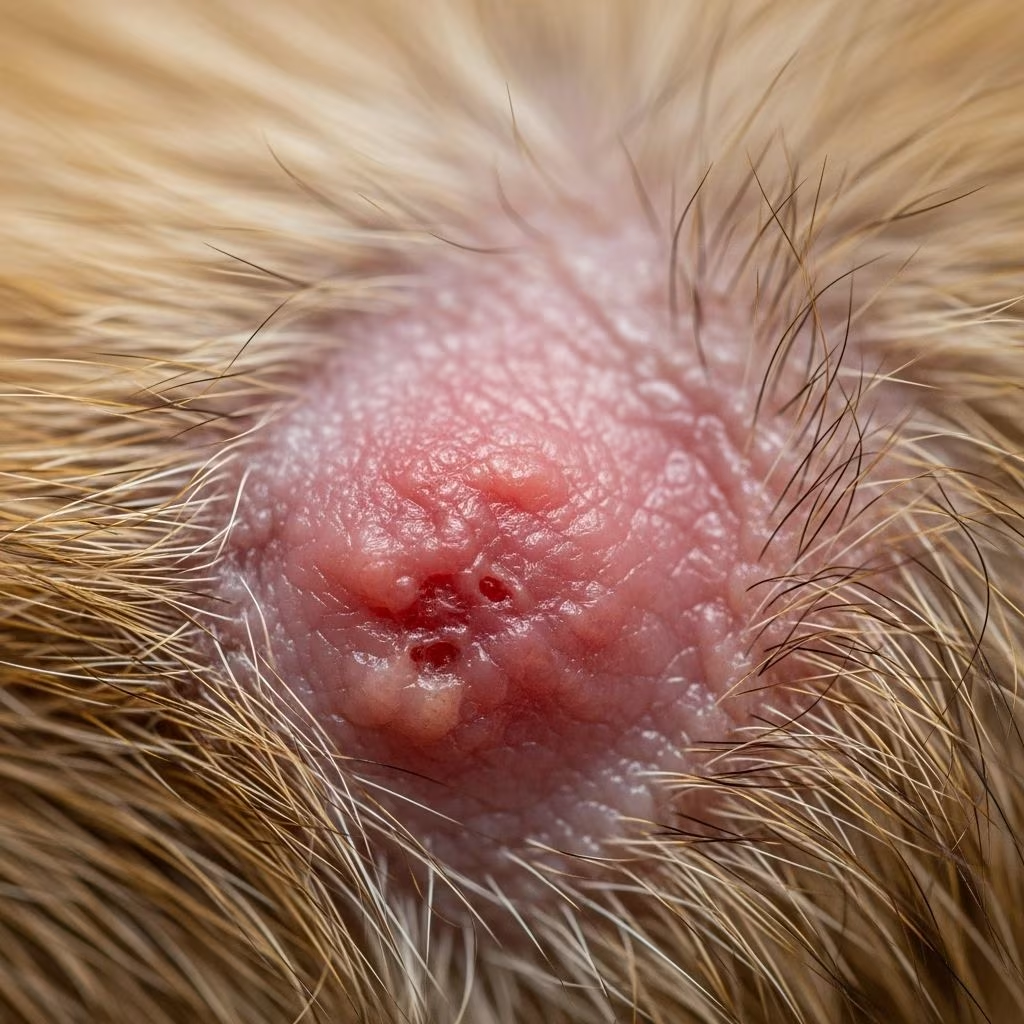
Dermatitis, or inflammation of the skin, represents one of the most frequently encountered conditions in veterinary medicine. This condition affects animals across all species and can result from numerous causative agents, ranging from external environmental factors to internal immunological responses. Understanding the etiology, clinical manifestations, and management strategies for dermatitis is essential for veterinarians and pet owners seeking to provide appropriate care and relief to affected animals.
Understanding the Fundamentals of Skin Inflammation
The skin serves as a protective barrier for animals, functioning as the first line of defense against harmful pathogens and environmental irritants. When this barrier becomes compromised or when animals encounter triggering substances, inflammatory responses occur within the dermal and epidermal layers. Dermatitis can develop acutely, with rapid onset and pronounced symptoms, or progress chronically over extended periods with gradually worsening conditions.
The inflammatory process involves complex immunological reactions where the body’s defense mechanisms respond to perceived threats. This response, while intended to protect the animal, can cause significant discomfort, itching, and tissue damage if left unmanaged. As inflammation persists, secondary complications often develop, further compromising skin health and requiring additional treatment interventions.
Primary Triggers and Underlying Causes
Dermatitis can originate from diverse sources, each requiring different diagnostic approaches and management strategies. Identifying the specific cause represents the cornerstone of effective treatment, as managing the underlying trigger often proves more successful than addressing symptoms alone.
Environmental and Contact-Based Irritants
Direct contact with irritating substances frequently precipitates inflammatory skin reactions in animals. These irritants may include cleaning products, certain plant materials, chemical compounds, caustic substances, or even specific grooming products. When an animal’s skin encounters these problematic agents, localized inflammation and itching develop at the contact site. The severity of the reaction depends on the irritant’s potency, the duration of exposure, and the individual animal’s sensitivity level. Fortunately, removing the offending substance typically resolves symptoms relatively quickly, making identification of contact irritants particularly valuable for treatment planning.
Parasitic Infestations
Fleas represent one of the most significant parasitic causes of dermatitis in companion animals. Beyond the direct irritation from flea bites, many animals develop hypersensitivity reactions to proteins present in flea saliva. This condition, known as flea allergy dermatitis, can be triggered by even a single flea bite, causing intense itching and skin damage that persists long after the flea has been removed. The condition typically manifests most severely around the base of the tail, lower back, and hindquarters where fleas preferentially congregate. Other parasites, including mites and lice, can similarly trigger inflammatory responses in animal skin.
Dietary and Nutritional Factors
Food-related allergic reactions contribute substantially to dermatitis cases in veterinary practice. Specific protein sources, including chicken, beef, and pork, commonly trigger allergic responses in susceptible animals. However, dermatitis can develop from virtually any dietary component, and identifying the specific causative ingredient often proves challenging. Affected animals typically experience itching, redness, and rash development affecting various body regions. Veterinary management of food-related dermatitis frequently involves transitioning animals to specialized diets containing limited ingredient profiles or hydrolyzed protein sources that reduce the likelihood of allergic reactions.
Environmental and Airborne Allergens
Atopic dermatitis results from allergic reactions to environmental substances such as pollen, mold spores, dust mites, and other airborne allergens. Unlike contact dermatitis, this condition reflects systemic allergic sensitization rather than localized irritant exposure. Atopic dermatitis typically develops as a chronic condition with seasonal or year-round presentations depending on the specific allergens involved. The underlying pathophysiology involves genetic predisposition, epidermal barrier dysfunction, and dysregulated immune responses that create a heightened sensitivity to environmental triggers.
Clinical Presentation and Diagnostic Features
Animals experiencing dermatitis present with characteristic clinical signs that vary depending on whether the condition is in its acute or chronic phase. Recognizing these manifestations enables earlier intervention and prevents progression to more complicated stages.
Acute Phase Indicators
In acute dermatitis, animals typically display prominent itching that drives excessive scratching, licking, and chewing behaviors. Affected animals often target specific body regions including paws, armpits, abdominal areas, and the rump. Many animals develop anxiety-driven behaviors, repeatedly rubbing against furniture, carpets, or other surfaces in attempts to relieve uncomfortable sensations. The skin becomes visibly red and inflamed, with accompanying swelling and irritation evident upon examination. Some animals may develop pustules, oozing lesions, or other acute inflammatory manifestations depending on the underlying cause.
Chronic Phase Transformations
As dermatitis persists beyond the acute phase, the clinical presentation undergoes significant changes. The pronounced redness and acute inflammatory signs gradually subside and become obscured by features of chronic inflammation. The skin often thickens, develops hyperpigmentation, and becomes dry and flaky. Seborrheic changes may develop, characterized by excessive oiliness or, conversely, increased dryness. Interestingly, animals that did not initially experience pruritus frequently develop itching as the chronic phase progresses, creating a self-perpetuating cycle of scratching and skin damage.
Secondary Complications and Related Conditions
Unmanaged or incompletely treated dermatitis frequently leads to serious secondary complications that complicate treatment and extend recovery timelines. Bacterial and fungal infections commonly establish themselves in damaged, inflamed skin tissue. These opportunistic infections not only cause additional discomfort but also perpetuate inflammation and pruritus. Hair loss, open wounds, scabs, and raw areas of denuded skin become increasingly prominent as disease severity escalates. Without appropriate intervention, affected animals may engage in self-traumatic behaviors leading to severe tissue damage and increased infection risk.
Comprehensive Management Approaches
Effective dermatitis management requires a multifaceted strategy addressing multiple aspects of the condition simultaneously. A single intervention alone rarely achieves complete resolution, particularly in chronic cases.
Identification and Environmental Control
The initial management step involves thorough investigation to identify causative triggers. Once identified, eliminating exposure to problematic agents provides the most direct path to resolution. For contact dermatitis, this may involve changing cleaning products, avoiding certain plants, or switching grooming supplies. For parasitic causes, comprehensive flea and tick prevention becomes essential, requiring regular application of veterinarian-approved preventive medications. Environmental modifications may include frequent vacuuming of carpets, regular washing of bedding, and treatment of indoor and outdoor spaces with pet-safe insecticides when parasitic infestations are present.
Pharmacological Interventions
Several medication classes prove effective in managing dermatitis symptoms and underlying pathophysiology:
- Immunomodulating agents like ilunocitinib work by interrupting the itch-scratch cycle and reducing immune-mediated inflammation, proving effective for both allergic and atopic dermatitis in animals over one year of age
- Monoclonal antibodies such as those targeting specific immune pathways provide targeted anti-itch effects through injections administered every 4-8 weeks
- Corticosteroids reduce inflammation and suppress immune system overactivity, available in oral, topical, and injectable formulations
- Antihistamines like cetirizine and loratadine may provide symptom relief, though they prove less effective in dogs compared to humans
- Antibiotics and antifungal medications address secondary bacterial and yeast infections through oral or topical delivery
Topical Therapeutic Options
Medicated shampoos represent a cornerstone of dermatitis management, containing ingredients specifically formulated to soothe inflamed skin, provide hydration, and relieve itching sensations. These products also help remove excess bacteria and yeast from affected areas. Supplementary topical treatments including medicated mousses, sprays, and ointments offer additional benefits, with some formulations incorporating flea-repellent properties. Regular bathing with appropriate medicated products supports skin barrier repair while managing active inflammation.
Dietary Management and Immunotherapy
For animals with food-related dermatitis, dietary modification using prescription hypoallergenic formulations proves essential for long-term management. Immunotherapy, commonly referred to as allergy shots or desensitization therapy, can benefit animals with environmental allergies by gradually building tolerance to problematic allergens over extended treatment periods. This approach requires commitment to consistent administration but may provide substantial long-term benefits.
Understanding Treatment Complexity and Chronicity
It is important to recognize that many forms of dermatitis, particularly atopic dermatitis, represent chronic conditions without definitive cures. Rather than seeking complete elimination of the disease, management focuses on controlling pruritus, managing associated inflammation, treating secondary infections, repairing skin barrier function, and implementing dietary management strategies. A multimodal approach addressing varying clinical signs and individual responses to therapies proves most effective in real-world practice.
Prevention and Long-Term Health Considerations
Preventing dermatitis development or minimizing disease severity requires proactive management strategies. For parasitic causes, consistent use of veterinarian-recommended flea and tick prevention products is non-negotiable. Regular monitoring of animals for early signs of skin problems enables prompt intervention before conditions become severe. Maintaining optimal nutrition, providing appropriate grooming practices, and minimizing exposure to known irritants all contribute to maintaining healthy skin. Environmental modifications, such as using hypoallergenic bedding and reducing exposure to identified allergens, support overall dermatological health.
Frequently Asked Questions
What is the difference between acute and chronic dermatitis?
Acute dermatitis develops rapidly with pronounced redness, inflammation, and itching. Chronic dermatitis develops over extended periods, featuring skin thickening, pigmentation changes, and dryness. As chronic dermatitis progresses, animals may develop itching even if it was not present initially.
Can dermatitis in animals be completely cured?
Some forms of dermatitis, particularly those caused by identifiable irritants or contact allergens, can be resolved by eliminating the trigger. However, chronic conditions like atopic dermatitis typically cannot be cured and require ongoing management.
How quickly do dermatitis symptoms resolve with treatment?
Contact dermatitis may resolve within days of removing the offending agent. Other forms require weeks to months of consistent management before substantial improvement occurs. Secondary infections may require extended antibiotic courses lasting several weeks.
Is dermatitis contagious between animals?
Most forms of dermatitis are not contagious. However, some parasitic causes like sarcoptic mange and certain fungal infections can transmit between animals and occasionally to humans.
Conclusion
Dermatitis in animals represents a complex and multifactorial condition requiring comprehensive diagnostic and therapeutic approaches. Success in managing dermatitis depends upon accurately identifying underlying causes, implementing targeted environmental modifications, and utilizing appropriate pharmacological and topical interventions. While some forms of dermatitis can be permanently resolved through trigger elimination, chronic conditions require long-term management strategies focused on symptom control and maintaining quality of life. Collaboration between veterinarians and animal owners, combined with commitment to consistent management protocols, enables most affected animals to achieve substantial symptom improvement and return to comfortable, healthy skin conditions.
References
- Dog Skin Allergies: Causes, Symptoms, and Treatment — PetMD. Accessed February 24, 2026. https://www.petmd.com/dog/general-health/dog-skin-allergies
- Canine Atopic Dermatitis: Prevalence, Impact, and Management — National Center for Biotechnology Information (NCBI), National Library of Medicine. Accessed February 24, 2026. https://pmc.ncbi.nlm.nih.gov/articles/PMC10874193/
- Flea Allergy Dermatitis: Prevention and Treatment — Midtown Veterinary Hospital. Accessed February 24, 2026. https://mvethospital.com/flea-allergy-dermatitis-prevention-and-treatment/
- Common Skin Disorders in Pets: Causes, Signs, and Treatment — Animal Hospital Smithtown. Accessed February 24, 2026. https://animalhospitalsmithtown.com/common-skin-disorders-in-pets-causes-signs-and-treatment/
- Atopic Dermatitis (Atopy) — Cornell University College of Veterinary Medicine, Riney Canine Health Center. Accessed February 24, 2026. https://www.vet.cornell.edu/departments-centers-and-institutes/riney-canine-health-center/canine-health-topics/atopic-dermatitis-atopy



