

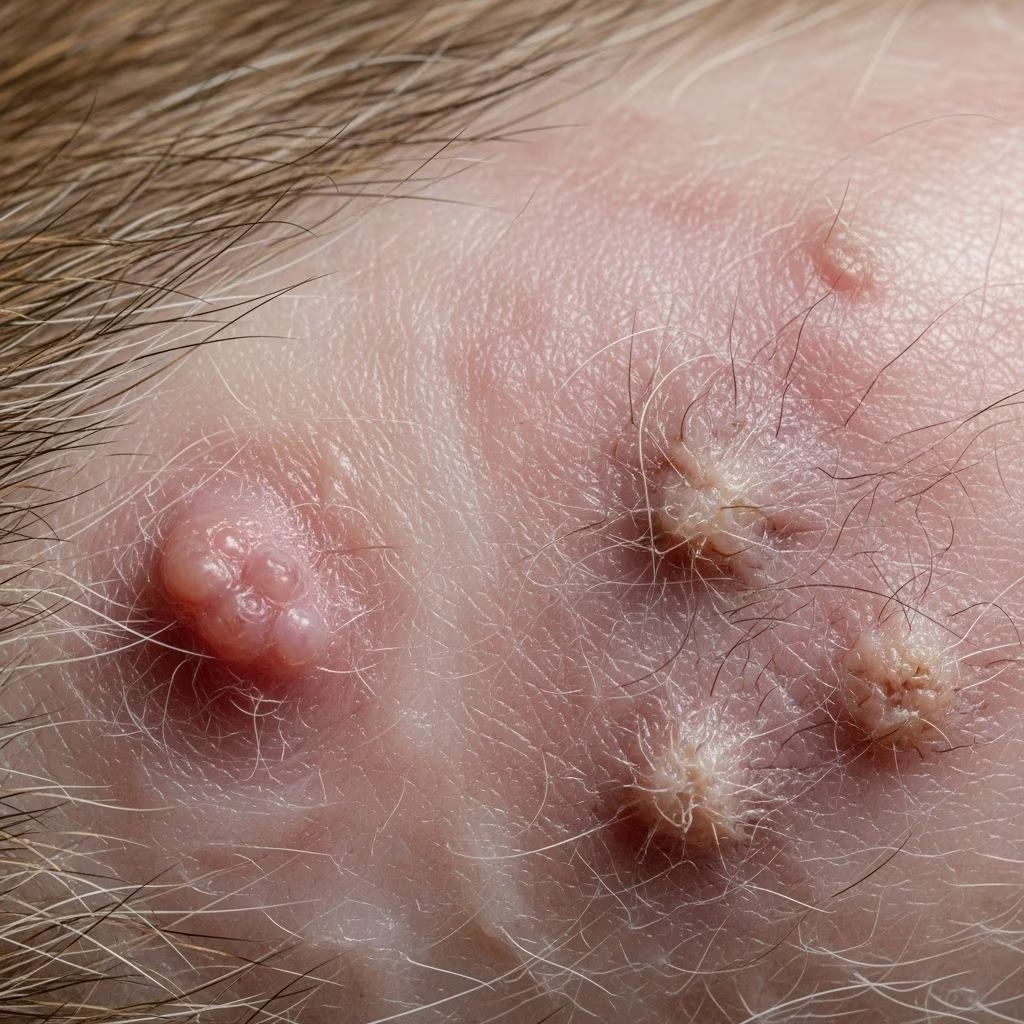
The integumentary system—comprising skin, hair, and associated glands—represents one of the most visible organ systems in animals and often reflects underlying genetic predispositions. While many skin conditions develop during an animal’s lifetime due to environmental factors or infections, a significant subset of dermatological problems originate from inherited genetic defects present at birth or emerging early in life. Among these inherited conditions, disorders affecting skin growth patterns and sebaceous gland function represent particularly important categories for veterinary professionals and animal owners to understand.
Understanding Inherited Skin Growth Abnormalities
Abnormal tissue growth within the skin can manifest in various ways, depending on which skin structures are affected and the underlying genetic mechanism. These conditions typically involve either excessive growth of normal skin cells or dysregulated development of specialized skin structures. Unlike infectious skin diseases or allergic conditions that develop secondarily, these inherited growth disorders represent fundamental developmental anomalies.
One significant category involves excessive proliferation of epidermal cells, leading to thickened, abnormal skin texture. These conditions often present with distinctive scaling patterns, excessive greasiness, or unusual skin fold development. The severity can range from mild cosmetic concerns to severe conditions significantly impacting an animal’s quality of life and requiring intensive management.
Certain dog breeds demonstrate predisposition to these conditions. English Bulldogs and French Bulldogs, for instance, frequently present with skin fold complications linked to their brachycephalic (flattened-face) anatomy. The compressed facial structure creates skin folds that trap moisture, promote bacterial overgrowth, and facilitate secondary infections. While the underlying anatomic predisposition itself is inherited through selective breeding, the secondary complications compound the initial genetic liability.
American Bulldogs represent another breed particularly affected by inherited skin scaling disorders. These animals develop fine scaling throughout rough coat textures with prominent reddish-brown scale accumulation, especially in skin fold areas such as the armpits and abdomen. This condition manifests immediately after birth or within the first weeks of life, allowing for early identification and intervention.
Sebaceous Gland Dysfunction and Related Complications
Sebaceous adenitis stands out as a prominent inherited sebaceous gland disorder, particularly affecting Standard Poodles and certain other breeds. This condition represents dysfunction of the oil-producing glands that normally maintain skin health and coat quality. The pathophysiology remains incompletely understood, with multiple theories proposed regarding the underlying mechanism.
Current understanding suggests several possible causative pathways. The condition may result from developmental defects in sebaceous gland formation itself, representing a structural abnormality present from birth. Alternatively, the dysfunction might stem from immune-mediated damage directed specifically against sebaceous gland components. Another proposed mechanism involves primary abnormalities in skin keratinization—the process by which skin cells mature and shed—leading to obstruction of sebaceous ducts and subsequent inflammation. Additionally, some evidence points toward lipid metabolism abnormalities as a causative factor.
Genetic analysis in Standard Poodles indicates an autosomal recessive inheritance pattern, meaning affected animals must inherit the defective gene from both parents. This inheritance pattern provides important information for breeding programs aimed at reducing disease prevalence within affected populations.
Clinical Presentation and Breed Predispositions
The clinical signs of inherited skin growth and gland disorders vary depending on the specific condition but frequently include:
- Excessive scaling and flaking of the skin surface
- Oily or greasy coat texture despite regular bathing
- Malodorous skin and coat resulting from secondary microbial overgrowth
- Hair loss, particularly in areas of active inflammation
- Recurrent skin infections caused by bacterial or fungal organisms
- Pruritus (itching) and associated self-trauma from scratching
- Thickened, leathery skin appearance in chronic cases
- Secondary ear infections due to similar pathologic changes in ear canal skin
Breed-specific patterns emerge when examining these conditions. Beyond the previously mentioned Bulldogs and Poodles, Cocker Spaniels, German Shepherd Dogs, and Basset Hounds show increased prevalence of sebaceous gland disorders. Certain lines within breeds may show particularly high incidence, suggesting concentrated genetic factors within specific breeding populations.
Secondary Complications and Interconnected Pathology
While the primary inherited defect may involve only skin structure or gland function, these conditions rarely exist in isolation. Secondary bacterial infections represent perhaps the most common complication, as abnormal skin provides an altered environment favoring bacterial colonization. Staphylococcal and other bacterial organisms proliferate in the abnormal skin milieu, creating pyoderma (bacterial skin infection) superimposed on the underlying genetic condition.
Fungal infections, particularly with Malassezia species (a yeast organism), frequently develop secondary to sebaceous dysfunction. The altered lipid environment and compromised skin barrier function create ideal conditions for this opportunistic organism. Additionally, pododermatitis (inflammation of the foot pads) commonly accompanies these conditions, and otitis externa (outer ear infection) reflects similar pathology affecting ear canal epithelium.
The interconnected nature of these complications explains why affected animals often require multifaceted treatment approaches addressing both the primary inherited defect and its various secondary consequences.
Diagnostic Approach and Confirmation
Veterinary diagnosis of inherited skin growth disorders typically begins with clinical observation and breed history. The characteristic presentation, breed predisposition, and early age of onset often suggest the diagnosis. However, confirmation frequently requires additional diagnostic procedures.
Dermatological examination using magnification reveals characteristic scaling patterns and sebaceous gland abnormalities. Microscopic evaluation of skin scales and cytology samples can identify secondary bacterial or fungal infections. Skin scraping and fungal culture help rule out parasitic or infectious causes mimicking inherited conditions.
Histopathology—microscopic examination of skin biopsy samples—provides definitive diagnosis by revealing the characteristic pathologic changes within the skin architecture and gland structure. For conditions with identified genetic mutations, blood testing can confirm genetic status, identifying affected animals, carriers, and genetically normal individuals within a population.
Management Strategies and Treatment Approaches
Because these inherited conditions represent fundamental genetic defects rather than infections or temporary disturbances, treatment focuses on symptomatic management and complication prevention rather than cure. A comprehensive management protocol typically includes:
Nutritional Support: Omega-3 and omega-6 fatty acids derived from fish oil and plant sources help support skin barrier function and reduce inflammation. These supplements address the lipid abnormalities thought to contribute to some sebaceous disorders.
Topical Therapies: Specialized shampoos containing salicylic acid, sulfur, or other keratolytic agents help manage excessive scaling. Regular bathing with these formulations, typically performed weekly or bi-weekly, mechanically removes accumulated scale and reduces microbial colonization.
Systemic Medications: Oral retinoids such as isotretinoin or etretinate can help normalize keratinization patterns in some animals, though these medications require careful monitoring for side effects. Systemic antifungal medications address Malassezia overgrowth when present.
Infection Management: Appropriate antibiotics or antifungals target secondary infections identified through culture and sensitivity testing. Ongoing prophylactic topical treatments may prevent recurrent infections.
Environmental Control: Regular grooming and coat maintenance, coupled with good hygiene practices, help minimize microbial proliferation and reduce odor. In animals with skin folds, frequent cleaning and thorough drying of fold regions prevents moisture accumulation.
Breeding Implications and Population Health
Understanding the genetic basis of these inherited skin disorders has significant implications for animal breeding programs. For conditions with documented genetic inheritance patterns, responsible breeders can make informed decisions about which animals to include or exclude from breeding populations.
Genetic testing, when available, allows identification of carrier animals that harbor the disease gene without showing clinical signs. Carriers can inadvertently transmit the condition to offspring when bred to other carriers or affected animals. Testing programs enable breeders to minimize disease prevalence by strategically avoiding carrier-to-carrier and carrier-to-affected matings.
Pedigree analysis across multiple generations helps identify familial clustering of these conditions, even before specific genetic mutations are characterized. Breed clubs and veterinary organizations increasingly encourage genetic testing and maintain registries documenting genetic status to guide breeding recommendations.
Prognosis and Long-Term Outlook
The prognosis for animals with inherited skin growth and sebaceous gland disorders varies depending on condition severity and management compliance. Mildly affected animals may experience minimal impact on quality of life with basic topical management and intermittent treatment of secondary infections.
Severely affected animals, particularly those with extensive secondary complications, require intensive lifelong management. Daily or frequent grooming, regular therapeutic bathing, ongoing supplementation, and periodic treatment of secondary infections become routine care necessities. The financial and time commitment required can be substantial.
Affected animals should not be included in breeding programs, as perpetuating these conditions inflicts unnecessary suffering on future generations. Responsible pet ownership in affected animals involves accepting the need for enhanced dermatological care and committing to comprehensive management protocols.
Emerging Research and Future Directions
Continued genetic research promises improved understanding of inherited skin disorders. As researchers identify specific disease-causing mutations, more precise genetic testing becomes available, enabling more sophisticated breeding decisions. Gene therapy approaches, while still largely experimental, represent potential future treatments for some inherited conditions.
Improved understanding of the immune mechanisms underlying some sebaceous disorders may eventually enable more targeted therapeutic interventions beyond current symptomatic approaches. Additionally, development of breed-specific management protocols tailored to particular population needs will likely improve outcomes for affected animals.
Veterinary dermatologists continue documenting new inherited conditions and refining understanding of previously recognized disorders. This expanding knowledge base enables earlier diagnosis, more effective management strategies, and better client education regarding realistic expectations for affected animals.
References
- Congenital and Inherited Skin Disorders in Dogs — Merck Veterinary Manual. Accessed 2026. https://www.merckvetmanual.com/dog-owners/skin-disorders-of-dogs/congenital-and-inherited-skin-disorders-in-dogs
- Dermatological Problems of Brachycephalic Dogs — NIH/PMC. 2023. https://pmc.ncbi.nlm.nih.gov/articles/PMC10294810/
- Genodermatoses – Genetic Skin Diseases — MedVet. Accessed 2026. https://www.medvet.com/genodermatoses-genetic-skin-diseases/
- Congenital Diseases — Veterian Key. Accessed 2026. https://veteriankey.com/congenital-diseases/
- Dermatological Problems in Animals – Integumentary System — MSD Veterinary Manual. Accessed 2026. https://www.msdvetmanual.com/integumentary-system/integumentary-system-introduction/dermatological-problems-in-animals



