

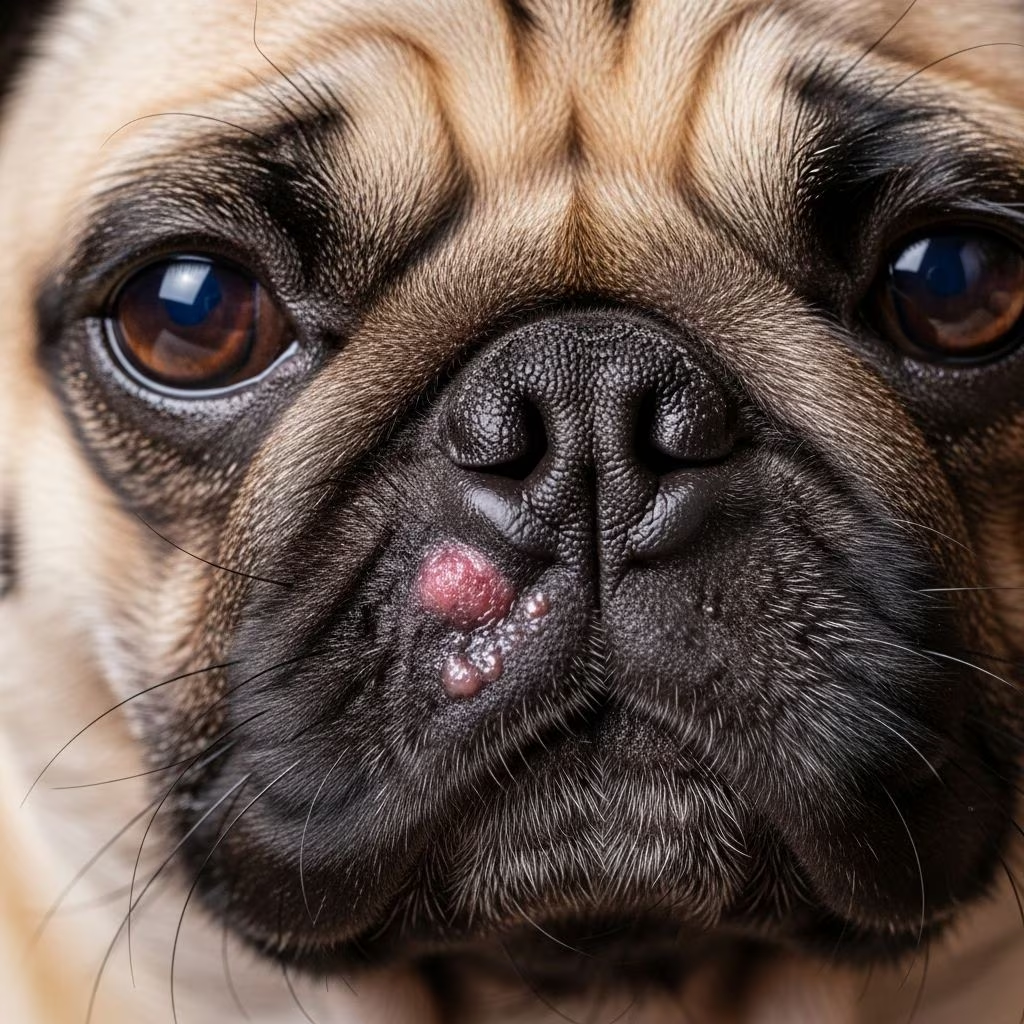
Skin fold dermatitis, also known as intertrigo, is a prevalent skin condition in dogs and cats featuring deep skin folds. These areas trap moisture and debris, fostering bacterial and yeast overgrowth that leads to inflammation and infection. Breeds predisposed due to genetics or obesity require vigilant care to manage this issue effectively.
Understanding the Condition
This dermatitis arises from friction between opposing skin surfaces in folds, compounded by poor ventilation and retained humidity. The warm, occluded environment promotes proliferation of normal skin flora like bacteria and Malassezia yeast, resulting in pyoderma or yeast dermatitis. Without intervention, chronic irritation can cause ulceration, pain, and secondary complications.
In pets, common sites include facial wrinkles, tail bases, vulvar regions, and paw pads in overweight animals. The condition mirrors human intertrigo but manifests differently due to fur and breed-specific anatomy.
Commonly Affected Breeds and Risk Factors
Certain breeds are genetically prone to excessive skin folding:
- Brachycephalic dogs: Bulldogs, Pugs, Boston Terriers with facial folds.
- Wrinkle-heavy breeds: Shar-Peis, Mastiffs, Bloodhounds.
- Cats: Persians, Exotics with facial folds or obesity-induced folds.
- Other sites: Tail folds in English Bulldogs, vulvar folds in overweight females.
Risk factors extend beyond genetics:
- Obesity creating new folds.
- Allergies (atopic, food) exacerbating inflammation.
- Underlying issues like hypothyroidism or urinary incontinence.
- Environmental moisture from tears, saliva, or urine.
Recognizing the Signs
Early detection prevents progression. Look for:
- Redness, swelling, and moist appearance in folds.
- Hair loss (alopecia) and crusting around edges.
- Foul, musty odor indicating yeast or bacterial overgrowth.
- Itching, licking, or rubbing causing further trauma.
- Pustules, discharge, or hot spots signaling pyoderma.
Symptoms vary by infection type: bacterial pyoderma shows pustules and yellow exudate, while yeast dermatitis presents with greasy, darkened skin.
How Veterinarians Diagnose It
Diagnosis starts with a physical exam focusing on fold inspection. Key steps include:
- Cytology: Tape stripping or swab for microscopic exam to identify bacteria (rods/cocci) or yeast.
- Culture and sensitivity: For recurrent or severe cases to guide antibiotic choice.
- Addressing comorbidities: Tests for allergies, hypothyroidism, or obesity.
Visual cues like odor and staining often suggest the issue, but cytology confirms pathogens.
Treatment Approaches
Treatment targets infection, inflammation, and moisture control. A multimodal plan is standard.
Cleaning and Topical Therapies
Daily cleansing is foundational:
- Antiseptic wipes or shampoos with chlorhexidine (2-4%), benzoyl peroxide, or acetic acid.
- Dry thoroughly post-cleaning to reduce humidity.
- Topical antibiotics like mupirocin for cocci; silver sulfadiazine for mixed infections.
- Antifungals (ketoconazole) for yeast.
Frequency reduces as improvement occurs, from daily to 2-3 times weekly.
Systemic Medications
For moderate-severe cases:
| Medication Type | Examples | Use Case |
|---|---|---|
| Antibiotics | Cephalexin, amoxicillin-clavulanate | Deep pyoderma with tracts/drainage |
| Antifungals | Fluconazole, itraconazole | Yeast-dominant infections |
| Anti-inflammatories | Short-term glucocorticoids | Reduce swelling and itch |
Reserve systemic drugs for cytology/culture-confirmed needs to combat resistance.
Surgical Interventions
When medical management fails:
- Fold resection: Remove excess tissue in facial, tail, or vulvar folds.
- Cheiloplasty/episioplasty: Lip or vulvar fold correction.
- High success rate for chronic cases, often curative.
Prevention Strategies for Long-Term Management
Proactive care minimizes recurrence:
- Daily hygiene: Gentle cleaning and drying of folds.
- Weight control: Diet and exercise to reduce folds.
- Maintenance therapy: Weekly antimicrobial wipes with low-dose steroids.
- Allergy management: Hypoallergenic diets, flea control.
- Breed-specific grooming: Powder or barrier creams in high-risk areas.
Pet insurance can offset costs for ongoing treatments or surgery.
FAQs
What breeds are most at risk for skin fold dermatitis?
Primarily Bulldogs, Shar-Peis, Pugs, and overweight pets with facial, tail, or vulvar folds.
Can skin fold dermatitis resolve without vet care?
Mild cases may improve with cleaning, but infections typically require professional antimicrobial therapy.
Is surgery always necessary?
No, most cases respond to topical care; surgery is for refractory or severe instances.
How often should I clean my pet’s folds?
Daily during flares, 2-3 times weekly for maintenance.
Does obesity worsen this condition?
Yes, excess weight creates more folds prone to moisture trapping.
Word Count: 1678 (excluding metadata and references)
References
- Skin Fold Dermatitis – Dixie Animal Hospital — Dixie Animal Hospital. Accessed 2026. https://www.dixieanimalhospital.com/blog/13012-skin-fold-dermatitis
- Bulldog Problems: About Their Skin Folds & How to Avoid Infections — Vet Derm Clinic. Accessed 2026. https://www.vetdermclinic.com/bulldog-problems-know-skin-folds-avoid-infections/
- Dog Skin Fold Dermatitis: What It Looks Like + What to Do — LAVengel. Accessed 2026. https://lavengel.com/pages/skin-issues-intertrigo
- Facial Fold Dermatitis in Bulldogs: Prevention and Treatment Options — SAC Broadway Vet. Accessed 2026. https://www.sacbroadwayvet.com/blog/facial-fold-dermatitis-bulldogs-treatment/
- Skin Fold Dermatitis (Intertrigo) in Dogs — Today’s Veterinary Practice. Accessed 2026. https://todaysveterinarypractice.com/dermatology/skin-fold-dermatitis-intertrigo-in-dogs/



