

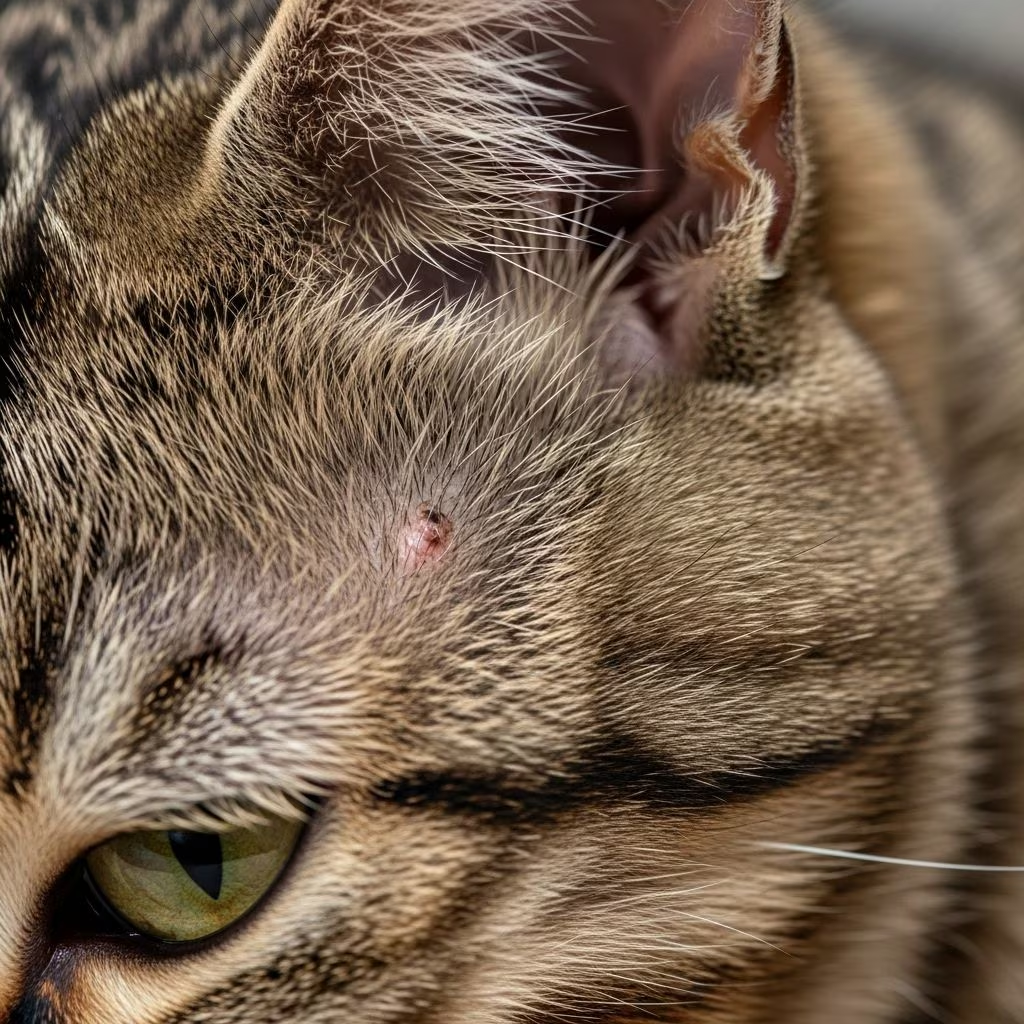
Skin diseases are among the most frequent health issues seen in cats, often presenting with itching, hair loss, scabs, and redness. These conditions can significantly impact a cat’s quality of life if not addressed promptly. As a veterinarian, I’ve encountered countless cases where early intervention makes all the difference. This article breaks down the common causes, symptoms, diagnostic approaches, and treatments for **skin disease in cats**, helping you recognize problems and seek appropriate care.
What Are the Most Common Causes of Skin Disease in Cats?
Skin problems in cats stem from a variety of triggers, ranging from parasites to immune disorders. Understanding the root cause is crucial for effective management. The most prevalent culprits include:
- Fleas and Parasites: Flea allergy dermatitis is one of the top causes, where even a single flea bite triggers intense itching due to an allergic reaction to flea saliva. Common sites include the base of the tail, flanks, and belly.
- Allergies: Environmental allergens (pollen, dust mites), food sensitivities, or contact allergies lead to widespread inflammation, excessive grooming, and secondary infections.
- Infections: Bacterial (pyoderma), fungal (ringworm), or yeast infections often arise secondary to scratching or poor grooming.
- Autoimmune Conditions: Rare but serious, like pemphigus foliaceus, where the immune system attacks the skin, causing crusts and ulcers.
- Other Factors: Poor nutrition, dry environments, stress, or endocrine disorders like hyperthyroidism can exacerbate skin issues[10].
Fleas top the list in many practices because they are ubiquitous and highly allergenic. A study from Cornell University’s Feline Health Center notes that flea control resolves up to 90% of itching cases in outdoor cats.
Symptoms of Skin Disease in Cats
Cats are masters at hiding discomfort, but skin disease manifests through observable signs. Watch for:
- Excessive scratching, licking, or chewing, especially at night.
- Hair loss (alopecia) in patches, often symmetrical.
- Red, inflamed skin, scabs, or crusty bumps (miliary dermatitis).
- Bald spots, scaling, or dandruff-like flakes.
- Behavioral changes like restlessness or aggression when touched.
- Secondary issues: ear infections, foul odors, or open sores.
| Condition | Key Symptoms | Affected Areas |
|---|---|---|
| Flea Allergy | Itching, red bumps, scabs | Tail base, belly |
| Ringworm | Circular hair loss, scaling | Head, limbs |
| Allergic Dermatitis | Redness, grooming overkill | Face, paws, full body |
| Feline Acne | Blackheads, pustules | Chin, lips |
| Pyoderma | Pustules, crusts | Scratched areas |
These symptoms often overlap, making vet diagnosis essential. For instance, miliary dermatitis—tiny scabs along the back—is a hallmark of flea allergies but can mimic other issues.
How Are Skin Diseases in Cats Diagnosed?
Diagnosis starts with a thorough history and physical exam. Key steps include:
- History Taking: Details on diet, environment, flea exposure, and symptom onset guide suspicion.
- Skin Scrapings and Cytology: To detect parasites, bacteria, or yeast under a microscope.
- Flea Combing: Reveals flea dirt (black specks that turn red in water).
- Culture and Biopsy: For fungal infections like ringworm or autoimmune diseases; biopsies confirm pemphigus.
- Allergy Testing: Intradermal skin tests or blood serology for environmental allergens; elimination diets for food allergies.
- Wood’s Lamp and Fungal Culture: Glows green for some ringworm strains; cultures take 1-3 weeks.
According to PetMD, accurate diagnosis prevents trial-and-error treatments that prolong suffering. In complex cases, referral to a veterinary dermatologist is recommended.
Treatment Options for Skin Diseases in Cats
Treatment targets the underlying cause while providing symptomatic relief. Common approaches:
- Parasite Control: Prescription topicals like Bravecto PLUS eliminate fleas; treat the environment too.
- Antibiotics/Antifungals: For pyoderma (e.g., cephalexin) or ringworm (e.g., itraconazole); duration 4-8 weeks.
- Anti-Itch Meds: Steroids (prednisolone), antihistamines (Zyrtec), or newer drugs like Apoquel for allergies.
- Topicals: Medicated shampoos, wipes, or creams for acne and infections; omega-3 supplements for dry skin.
- Dietary Changes: Hydrolyzed protein diets for food allergies, lasting 8-12 weeks trial.
- Immunosuppressants: For autoimmune conditions like pemphigus.
- Supportive Care: E-collars to prevent self-trauma, humidifiers for dry skin.
UrgentVet emphasizes combining therapies: flea control plus steroids resolves 80% of dermatitis cases quickly. Always follow vet prescriptions to avoid resistance.
Prevention of Skin Diseases in Cats
Prevention is proactive and cost-effective:
- Year-round flea prevention on all pets.
- High-quality diet rich in omega fatty acids.
- Regular grooming to monitor skin and remove debris.
- Allergen reduction: hypoallergenic bedding, air filters.
- Stress minimization through enrichment.
- Routine vet check-ups for early detection.
Cats Protection advises monthly parasite checks, as prevention averts most infections. Indoor cats still need protection from household fleas.
When Should You See a Vet for Your Cat’s Skin Condition?
Don’t wait—seek veterinary care if symptoms persist beyond 24-48 hours, worsen, or include lethargy, appetite loss, or spreading lesions. Red flags: open wounds, foul discharge, or zoonotic risks like ringworm. Early intervention prevents chronic issues and secondary infections. Bond Vet notes untreated allergies lead to thickened skin (lichenification).
Frequently Asked Questions (FAQs)
Q: Can skin diseases in cats be contagious to humans?
A: Yes, ringworm is zoonotic and can spread to humans, especially immunocompromised individuals. Prompt treatment and hygiene are key.
Q: How long does it take for flea allergy dermatitis to resolve?
A: With strict flea control and meds, improvement occurs in 1-2 weeks, but full resolution may take a month.
Q: Is feline acne serious?
A: Usually mild, but untreated it can lead to infections. Cleanliness and bowl changes help.
Q: What home remedies work for cat skin issues?
A: Avoid unproven remedies; vet-approved oatmeal baths or coconut oil may soothe mildly, but diagnose first.
Q: Can diet alone fix skin allergies?
A: For food allergies, yes—a strict elimination diet under vet guidance.
Q: Why does my cat have scabs but no fleas?
A: Could be allergies, mites, or ringworm; comprehensive testing needed.
This comprehensive guide equips cat owners with knowledge to tackle skin diseases effectively. Always consult your vet for tailored advice.
References
- Skin Conditions in Cats: Types, Symptoms & Treatment — UrgentVet. 2023. https://urgentvet.com/skin-conditions-in-cats-types-symptoms-treatment/
- Common Cat Skin Problems & How To Recognize Them — Bond Vet. 2023. https://bondvet.com/blog/cat-skin-problems
- Skin Conditions in Cats: Types, Symptoms, and Treatment — PetMD. 2024-01-15. https://www.petmd.com/cat/general-health/skin-conditions-in-cats
- Common Skin Conditions for Cats — Paducah Veterinary Clinic. 2023. https://www.paducahvet.com/blog/1266761-common-skin-conditions-for-cats
- Feline Skin Diseases — Cornell University College of Veterinary Medicine. 2022-05-01. https://www.vet.cornell.edu/departments-centers-and-institutes/cornell-feline-health-center/health-information/feline-health-topics/feline-skin-diseases
- Skin Problems in Cats — Cats Protection. 2024. https://www.cats.org.uk/help-and-advice/health/skin-problems-in-cats



