

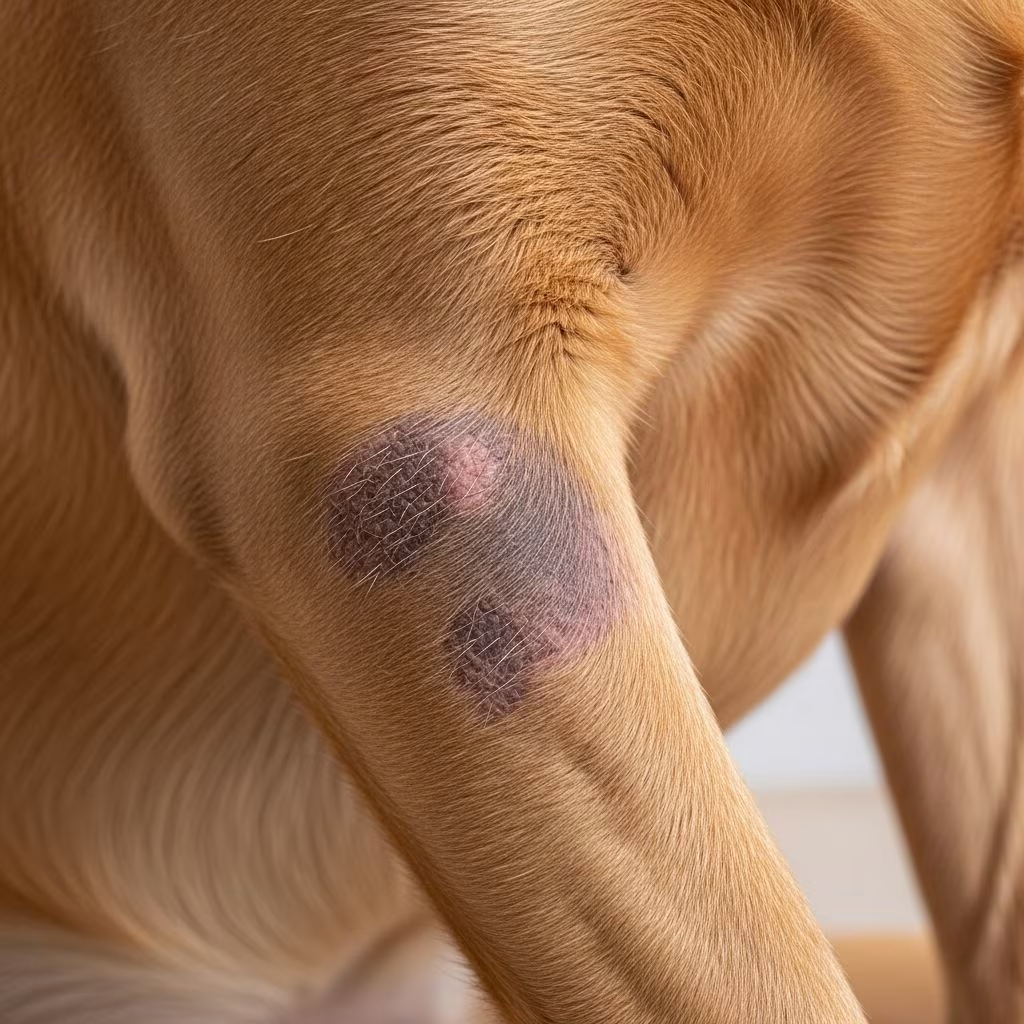
Hyperpigmentation in dogs manifests as darkened, thickened skin patches, often in body folds like armpits and groin areas. This condition splits into primary forms, driven by genetics, and secondary types linked to inflammation or friction. Understanding these distinctions aids in proper management and improves pet comfort.
Understanding Canine Hyperpigmentation Basics
Hyperpigmentation refers to excess melanin production, turning skin black or brown. In dogs, it frequently affects friction-prone sites due to repeated rubbing. Primary hyperpigmentation stems from inherited traits, while secondary arises from resolved inflammatory issues. Early detection prevents progression to lichenification—skin thickening resembling elephant hide—and hair loss.
- Key feature: Non-itchy darkening in primary cases versus itchy, inflamed patches in secondary.
- Common sites: Axillae (armpits), inguinal folds (groin), and occasionally abdomen or hocks.
- Progression: Starts diffuse, becomes velvety and rough over time.
Primary Hyperpigmentation: The Genetic Variant
Primary acanthosis nigricans qualifies as a genodermatosis, appearing before one year of age in predisposed breeds. It presents without prior skin issues, confirming noninflammatory origins. Histologically, it shows stratum spinosum thickening alongside melanin buildup.
This rare disorder links strongly to Dachshunds, following a suspected recessive inheritance pattern. Though genes remain unidentified, affected dogs exhibit symmetrical darkening without external triggers. Owners notice cosmetic changes initially, but friction exacerbates to inflammation.
| Aspect | Primary Type Details |
|---|---|
| Onset Age | Under 1 year |
| Breeds | Dachshunds primarily |
| Inheritance | Likely recessive |
| Initial Signs | Diffuse, symmetrical darkening |
Secondary Hyperpigmentation: Reaction to Underlying Issues
Unlike the primary form, postinflammatory hyperpigmentation follows skin trauma, allergies, or hormonal imbalances. It affects any breed, often in adults, and resolves with trigger elimination. Common culprits include obesity-induced folds, endocrine diseases like hypothyroidism, and atopic dermatitis causing persistent rubbing.
- Conformational flaws in short-legged breeds promote intertrigo.
- Endocrinopathies alter skin metabolism, fostering pigment changes.
- Allergies (food, environmental) spark cycles of itch and darkening.
Bacterial pyoderma or yeast overgrowth (Malassezia) frequently complicates matters, demanding cytology checks. Friction from obesity amplifies risks in multi-fold areas.
Recognizing Visible Symptoms
Symptoms vary by type but share core traits. Primary cases show velvet-textured, hairless black patches in axillae, progressing slowly without itch. Secondary versions accompany redness, odor, and scaling from infections.
- Primary indicators: Bilateral symmetry, no pruritus history, early onset.
- Secondary clues: Preceding itch, variable spread, response to anti-inflammatories.
- Advanced stages: Lichenified skin, secondary alopecia, possible exudate.
Dogs may paw at areas due to discomfort, worsening damage. Odor signals microbial involvement, warranting prompt vet visits.
Diagnostic Approaches for Accurate Identification
Veterinarians rely on history, exam, and exclusion. For suspected primary cases, rule out allergies via flea checks and allergy trials. Physical findings like young Dachshund with isolated axillae darkening support genodermatosis.
Secondary diagnosis targets root causes: thyroid panels for endocrinopathies, skin scrapes for mites, cytology for infections. Biopsies confirm acanthosis if ambiguity persists, revealing epidermal hyperplasia without inflammation.
- Signalment and history review.
- Thorough dermatologic exam.
- Cytology, cultures, scrapings.
- Endocrine bloodwork if indicated.
- Biopsy for confirmation.
Management Strategies for Primary Cases
Genetic primary hyperpigmentation defies cure, focusing on palliation. Medicated shampoos reduce scaling and odor; apply 2-3 times weekly. Topical steroids or melatonin injections soothe friction-induced flares.
Weight control minimizes folds; avoid breeding affected dogs. Vitamin E supplements show anecdotal benefits. Monitor for secondary invaders via regular cytology.
Treating Secondary Hyperpigmentation Effectively
Address the inciting factor for reversal. Hypothyroidism treatment lightens skin over months. Allergy management via hypoallergenic diets or immunotherapy prevents recurrence.
Antimicrobials target pyoderma (cephalexin) or yeast (ketoconazole shampoos). Topical glucocorticoids calm acute phases. Patience is key—pigment fades gradually post-resolution.
| Condition Trigger | Treatment Focus |
|---|---|
| Allergies | Antihistamines, diet trials |
| Infections | Antibiotics, antifungals |
| Obesity/Friction | Weight loss, antiseborrheic baths |
| Endocrine | Hormone replacement |
Prevention and Lifestyle Adjustments
Maintain ideal weight to lessen fold friction. Routine grooming with benzoyl peroxide shampoos prevents buildup. Early allergy screening in at-risk breeds averts chronic cycles.
Breeders should sideline affected lineages. Regular vet dermatology checks catch secondary issues swiftly. Balanced diets support skin barrier integrity.
Frequently Asked Questions (FAQs)
Is hyperpigmentation painful for my dog?
Primary forms rarely cause pain unless secondarily infected; secondary often itches due to underlying inflammation.
Can diet alone fix skin darkening?
Diet aids allergies or obesity links but doesn’t cure genetic primary cases; combine with vet therapies.
How long until skin normalizes?
Primary: lifelong management; secondary: 3-6 months post-trigger treatment.
Should I shave affected areas?
Avoid; clipping aids cleaning but consult vet to prevent irritation.
Is this contagious?
No, neither type spreads between dogs or to humans.
Long-Term Prognosis and Owner Tips
Primary cases offer cosmetic control with diligent care, rarely life-threatening. Secondary types boast excellent outlooks with cause correction. Owners track changes via photos, adhere to regimens, and seek board-certified dermatologists for recalcitrant issues.
Holistic aids like omega-3 supplements bolster skin health adjunctively. Community forums provide support, but professional advice trumps anecdotes.
References
- Primary Acanthosis Nigricans and Postinflammatory Hyperpigmentation in Dogs — Merck Veterinary Manual. 2023. https://www.merckvetmanual.com/integumentary-system/acanthosis-nigricans-and-postinflammatory-hyperpigmentation/primary-acanthosis-nigricans-and-postinflammatory-hyperpigmentation-in-dogs
- Acanthosis Nigricans in Dogs (Canis) — Vetlexicon. 2024. https://www.vetlexicon.com/canis/dermatology/articles/acanthosis-nigricans/
- Acanthosis Nigricans — University of Prince Edward Island, Canadian Interlab Diagnostic Dermatology Initiative. 2023. https://cidd.discoveryspace.ca/disorder/acanthosis-nigricans.html
- Hyperpigmentation (Acanthosis Nigricans) in Dogs – Dog Owners — Merck Veterinary Manual. 2023. https://www.merckvetmanual.com/dog-owners/skin-disorders-of-dogs/hyperpigmentation-acanthosis-nigricans-in-dogs



