

Understanding Cutaneous Histiocytoma in Dogs
Cutaneous histiocytomas are common benign skin tumors that develop spontaneously in dogs, representing approximately one-fifth of all canine skin tumors. These growths appear suddenly on the skin and are characterized by their distinctive appearance and generally favorable prognosis. Understanding this condition is essential for pet owners to recognize when their dog may be affected and to determine appropriate management strategies. While the appearance of any new growth on your dog’s skin can be concerning, cutaneous histiocytomas are typically not life-threatening and often resolve without intervention.
What Are Cutaneous Histiocytomas?
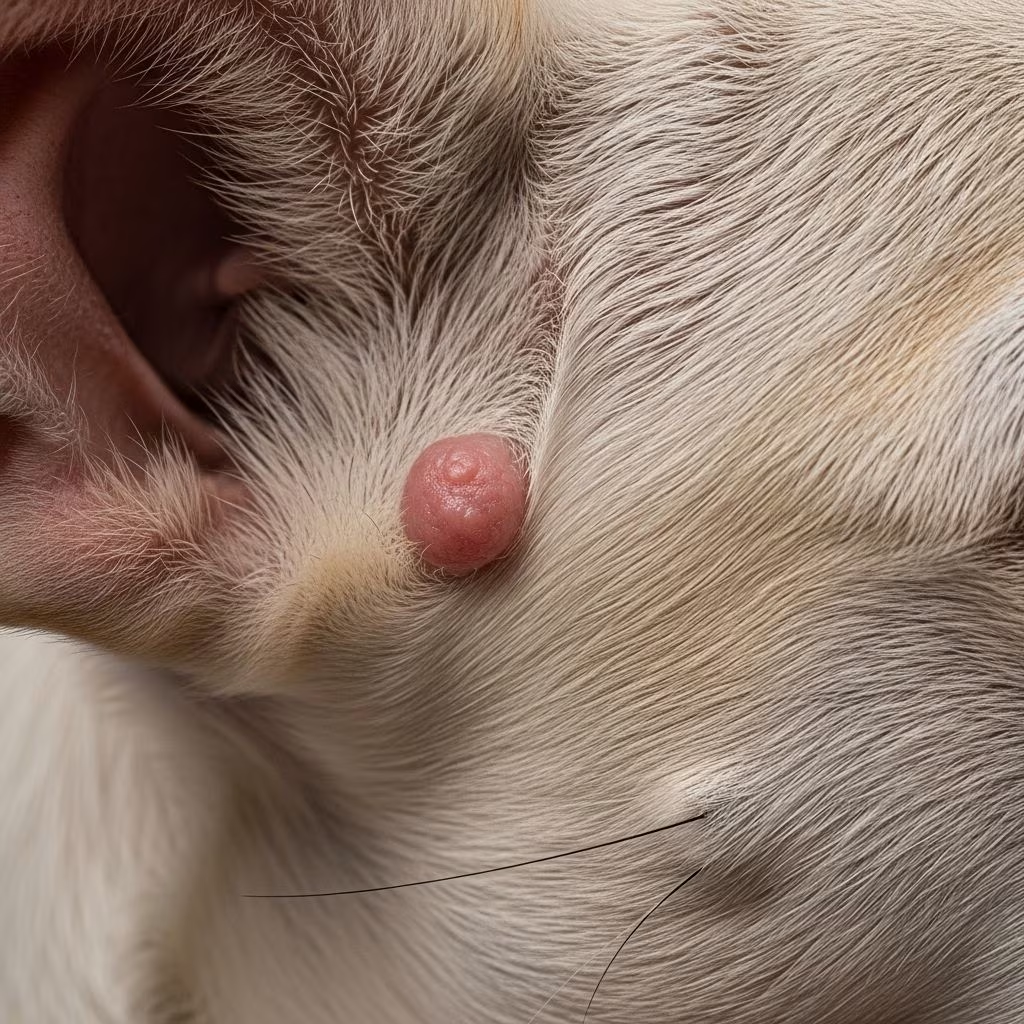
A cutaneous histiocytoma is a benign tumor composed of histiocytes, which are specialized immune cells found in the skin. These tumors develop as a result of an abnormal proliferation of these cells, creating a localized growth on the skin surface. Unlike malignant skin cancers, cutaneous histiocytomas do not spread to other parts of the body or develop into life-threatening conditions. The tumors are solitary, raised, generally hairless, and sometimes ulcerated lumps that are freely movable under the skin.
These growths are characterized by their button-like appearance, typically presenting as domed pink or red masses. Most histiocytomas are moderately firm and do not bleed excessively unless irritated or infected. The condition is particularly notable because the body’s immune system can naturally eliminate these tumors without medical intervention, making them one of the rare types of skin growths that can self-resolve.
Breed and Age Susceptibility
While cutaneous histiocytomas can develop in dogs of all ages, certain breeds and age groups show higher predisposition. Dogs aged 3 years or younger are most commonly affected, though the condition can occur in older dogs as well. Specific breeds show increased susceptibility to these tumors, including:
– Boxers- Boston Terriers- Labrador Retrievers- Dachshunds
Understanding breed predisposition can help owners of these breeds remain vigilant about monitoring their dogs’ skin for any new growths.
Recognizing Symptoms of Cutaneous Histiocytoma
Most dogs with cutaneous histiocytomas do not exhibit significant clinical symptoms beyond the visible skin growth. Many pet owners first notice the tumor while petting or grooming their dog. The condition presents with relatively mild characteristics, though some variations may occur depending on the tumor’s location and whether infection develops.
Primary Characteristics
– Hairless, raised, red or pink skin bump- Sudden appearance of a button-like growth- Dome-shaped or slightly elevated appearance- Generally firm to moderately firm texture- Freely movable beneath the skin surface
In most cases, these growths are painless and do not cause itching. However, complications can arise if the tumor becomes irritated or infected, leading to secondary symptoms.
Secondary Symptoms When Irritated
– Bleeding or oozing from the lesion- Itching and scratching at the site- Open sore with pus formation- Swelling around the lump- Ulceration of the skin surface
Histiocytomas located near sensitive areas can cause additional problems. Those positioned near a dog’s eye may cause irritation, leading to eye redness and discharge. In rare cases, histiocytomas can cause swelling of nearby lymph nodes. When tumors develop on areas subject to frequent friction, such as the paws or legs, they may rub against the ground and cause irritation.
Diagnosis of Cutaneous Histiocytoma
Proper diagnosis is crucial to differentiate histiocytomas from other more serious skin tumors that may appear similar. Your veterinarian will perform a physical examination and may recommend diagnostic testing to confirm the diagnosis. The definitive diagnostic method involves microscopic examination of tumor cells obtained through fine needle aspiration or biopsy.
Immunohistochemical staining plays an essential role in differentiating cutaneous histiocytomas from other neoplasias that may have similar histological appearances. This specialized testing allows veterinarians to distinguish between benign histiocytomas and malignant histiocytic sarcomas, providing an accurate diagnosis and prognosis for your dog.
Treatment Options for Cutaneous Histiocytoma
One of the most reassuring aspects of cutaneous histiocytoma is that treatment is typically not necessary. Most cases resolve spontaneously as the dog’s immune system controls and eliminates the growth. However, treatment options exist for specific situations where intervention becomes appropriate.
Observation and Monitoring
In the majority of cases, veterinarians recommend a watchful waiting approach. Dogs with uncomplicated histiocytomas that do not cause irritation or infection can be monitored without active treatment. The tumor typically regresses within two to three months as the body’s immune response eliminates the abnormal cells. During this observation period, pet owners should monitor the growth for any signs of complications.
Medical Management
When histiocytomas become infected due to the dog’s licking or scratching, topical or oral antibiotics may be indicated to address the secondary infection. Common antibiotic options include Animax® ointment or cephalexin, with typical costs ranging from $10 to $15. These medications help prevent infection and allow the tumor to regress naturally while maintaining the skin’s health.
Surgical Removal
Surgical removal is an optional treatment typically performed only when histiocytomas cause severe problems for the dog. This approach may be recommended when:
– The tumor becomes chronically irritated or infected- The dog repeatedly licks or scratches the area despite management attempts- The tumor is located in an area causing functional impairment- The owner prefers immediate removal for cosmetic reasons- The tumor does not regress within an extended observation period
Surgical removal can provide a definitive diagnosis through histopathological examination and potentially offers complete resolution of the condition.
Cryotherapy
Cryotherapy, or freezing the tumor, represents an alternative to surgical removal for selected cases. This approach may be used alone or in combination with other treatments and is particularly useful for histiocytomas that have become ulcerated and bleed excessively.
Recovery and Management
Most dogs with cutaneous histiocytomas require minimal special care during the regression period. However, certain management strategies can prevent complications and ensure optimal healing.
Preventing Irritation and Infection
The most important aspect of managing an uncomplicated histiocytoma is preventing your dog from licking or scratching the area. Persistent licking and scratching can cause the tumor to bleed and become infected, complicating the natural healing process. Several strategies can help achieve this:
– Use a recovery cone (Elizabethan collar) if the dog persistently bothers the area- Apply a light wrap or protective covering over the tumor- Monitor the area regularly for signs of bleeding or infection- Keep the area clean and dry- Consider behavioral modification techniques to redirect your dog’s attention
Comfort Measures
Dogs with histiocytomas on their legs may experience discomfort as the growths rub against the ground. An orthopedic dog bed can help cushion these areas and reduce irritation. Some dogs may also benefit from pain management during the regression period, though most histiocytomas do not cause significant discomfort.
Monitoring for Complications
While most histiocytomas resolve without complications, pet owners should watch for signs that indicate veterinary attention is needed. Bring your dog to the veterinarian if you notice:
– Persistent bleeding or oozing from the tumor- Signs of infection (swelling, pus, discharge)- Rapid growth or changes in appearance- Evidence of pain or significant discomfort- Inability to manage the dog’s licking or scratching- Tumor persistence beyond three months
Prognosis and Long-Term Outlook
The prognosis for dogs with cutaneous histiocytoma is generally excellent. Most tumors regress and disappear completely within two to three months without any treatment. The condition does not spread to other parts of the body, does not develop into malignant cancer, and does not typically cause systemic health problems. This favorable natural history makes cutaneous histiocytoma one of the most manageable skin conditions in veterinary dermatology.
Dogs that have experienced one histiocytoma may develop additional growths in the future, though this is not guaranteed. Each new growth should be evaluated by a veterinarian to ensure proper diagnosis and management.
Frequently Asked Questions
Q: Is a cutaneous histiocytoma cancerous?
A: No. Cutaneous histiocytomas are benign tumors that do not spread to other parts of the body and are not considered cancer. While they are abnormal growths, they are nearly always noncancerous and have a favorable prognosis.
Q: Do histiocytomas require surgical removal?
A: Most histiocytomas do not require surgical removal. The majority resolve spontaneously within two to three months. Surgery is typically reserved for tumors that become infected, bleed excessively, or cause functional problems for the dog.
Q: How long does a histiocytoma take to disappear?
A: Most histiocytomas regress and disappear within two to three months as the dog’s immune system eliminates the abnormal cells. Some cases may resolve slightly faster or slower than this timeframe.
Q: Can I treat a histiocytoma at home?
A: There are no home remedies that can treat histiocytomas. However, you can support natural regression by preventing your dog from licking or scratching the area and monitoring for signs of infection. Close observation and proper wound care are important during the regression period.
Q: Are histiocytomas painful for dogs?
A: Histiocytomas are typically not painful for dogs. However, if the tumor becomes irritated, infected, or is located in an area subject to friction, the dog may experience discomfort and attempt to lick or scratch at the site.
Q: Can histiocytomas develop in older dogs?
A: While histiocytomas are most common in dogs 3 years of age or younger, they can develop in dogs of any age, including senior dogs. All new skin growths should be evaluated by a veterinarian regardless of the dog’s age.
When to Contact Your Veterinarian
If you notice any new lump or bump on your dog’s skin, schedule an appointment with your veterinarian for proper evaluation and diagnosis. This is particularly important to differentiate histiocytomas from other skin conditions that may require different management approaches. Prompt veterinary attention is essential if you observe signs of infection, excessive bleeding, rapid growth, or signs that your dog is in pain.
References
- Histiocytomas in Dogs: Symptoms, Treatment, and More — PetMD. 2025. https://www.petmd.com/dog/conditions/skin/c_dg_histiocytoma
- Tumors of the Skin in Dogs — MSD Veterinary Manual. 2025. https://www.msdvetmanual.com/dog-owners/skin-disorders-of-dogs/tumors-of-the-skin-in-dogs
- Histiocytoma on a Dog: Is That Pink Bump a Dog Histiocytoma? — Embrace Pet Insurance. 2025. https://www.embracepetinsurance.com/health/histiocytoma
- Canine Histiocytic Neoplasia: An Overview — National Center for Biotechnology Information, U.S. National Library of Medicine. 2008. https://pmc.ncbi.nlm.nih.gov/articles/PMC1978291/
- Histiocytoma in Dogs — DogCancer.com. 2025. https://www.dogcancer.com/articles/types-of-dog-cancer/histiocytoma-in-dogs/



