

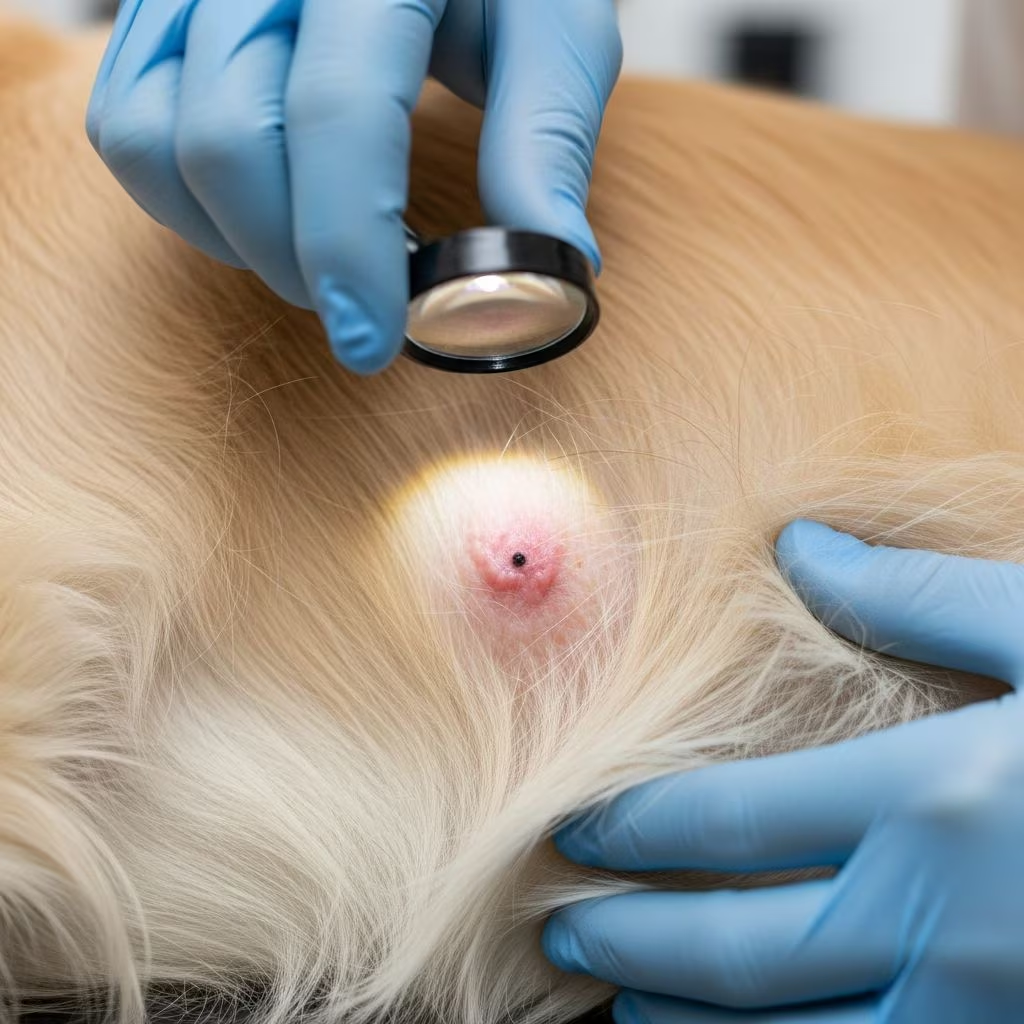
Skin cancer affects many dogs, particularly as they age, with tumors arising from various skin layers and cell types. Common forms include mast cell tumors, melanomas, and squamous cell carcinomas, each with distinct behaviors and responses to therapy. Early identification through regular checks can significantly improve prognosis, as surgical removal often cures benign cases while aggressive ones may require combined approaches.
Common Types of Canine Skin Tumors
Dogs develop skin tumors more frequently than many owners realize, with estimates showing these as a leading cancer category in veterinary practice. These growths originate in the epidermis, dermis, or subcutaneous tissues, varying from harmless lumps to rapidly spreading malignancies.
- Mast Cell Tumors: The most prevalent skin cancer in dogs, these arise from mast cells that release histamine, causing itchiness and redness. They appear as raised, hairless nodules on the trunk, limbs, or head, graded from low (less aggressive) to high risk of metastasis. Breeds like Boxers and Bulldogs face higher incidence.
- Melanomas: Originating in pigment cells, these often strike the mouth, lips, or nail beds but can occur on haired skin. Oral melanomas are highly malignant, while cutaneous ones are usually benign and surgically curable. Dark, raised bumps that bleed easily signal this type.
- Squamous Cell Carcinomas: Firm, wart-like patches on light-skinned areas like the abdomen or nose, linked to sun exposure and certain viruses. Common in seniors and breeds with thin coats such as Whippets or Dalmatians.
- Other Types: Basal cell tumors/carcinomas present as dome-shaped masses; sebaceous gland tumors as oily lumps; and sarcomas as firm infiltrative growths.
Recognizing Warning Signs Early
Owners play a crucial role in detection by performing weekly skin exams, parting fur to inspect for abnormalities. Key indicators include non-healing sores, asymmetric growths with irregular borders, color variations, or sizes exceeding a pea.
Symptoms vary by type: mast cell tumors may ulcerate and swell due to histamine; melanomas bleed profusely; squamous lesions crust over. Behavioral changes like excessive licking or lethargy warrant immediate vet visits, as early intervention boosts survival rates dramatically.
| Tumor Type | Appearance | Common Locations | Associated Signs |
|---|---|---|---|
| Mast Cell | Raised, red nodule | Limbs, abdomen | Itching, swelling |
| Melanoma | Dark bump, bleeding | Mouth, nails | Bleeding, pain |
| Squamous Cell | Wart-like, firm | Head, legs | Crusting, non-healing |
Risk Factors and Prevention Strategies
Several elements elevate a dog’s susceptibility. Age is primary, with most cases in dogs over seven years. Genetics predispose breeds: Scottish Terriers for basal tumors, Norwegian Elkhounds for melanomas. Sun exposure heightens squamous cell risk in short-haired, light-pigmented dogs; chronic inflammation or papilloma virus contributes too.
Prevention focuses on limiting UV rays with sunscreen on pink noses/ears, shade during peak hours, and prompt treatment of wounds. Neutering males reduces perianal tumors by up to 95%. Routine grooming aids early spotting.
Diagnostic Approaches for Accurate Identification
Vets start with physical exams and fine-needle aspirates to sample cells for cytology, identifying tumor types quickly. Biopsies provide definitive grading via histopathology, essential for mast cells (Patnaik or Kiupel systems). Imaging like X-rays, ultrasounds, or CT scans checks metastasis to lungs/lymph nodes; staging guides therapy.
Bloodwork assesses overall health pre-treatment. For ambiguous cases, referral to oncologists ensures precise molecular profiling.
Treatment Pathways Tailored to Tumor Type
Therapy hinges on tumor grade, location, and spread. Surgery remains foundational, aiming for wide margins to prevent recurrence.
Surgical Interventions
Complete excision cures most low-grade mast cells and benign melanomas. For toe/nailbed melanomas, amputation may be needed. Squamous cells on skin respond well to removal, often without adjuncts.
Radiation and Chemotherapy
Inoperable sites use radiation, achieving 70% remission in melanomas. Chemo follows surgery for high-grade mast cells or sarcomas, using drugs like vinblastine; side effects are milder in dogs than humans.
Advanced Options: Vaccines and Targeted Therapy
Melanoma vaccine (Oncept) stimulates immunity post-surgery, extending survival. Piroxicam aids inoperable squamous cells; tyrosine kinase inhibitors target mast cell mutations.
Prognosis Overview: Low-grade mast cells: excellent, often cured; high-grade: guarded, average remission 8 months. Cutaneous squamous: over 2.5 years survival.
Post-Treatment Care and Monitoring
Recovery involves wound management, e-collars to prevent licking, and pain meds. Follow-ups include rechecks, aspirates of regional nodes. Diet rich in antioxidants supports immunity; weight control aids mobility.
Owners should watch for recurrence signs, maintaining monthly skin audits. Holistic supports like omega-3s may complement conventional care.
Frequently Asked Questions
Is skin cancer painful for dogs?
Often not initially, but ulceration causes discomfort. Pain meds and prompt treatment alleviate suffering.
Canine skin cancer be prevented entirely?
Not always due to genetics, but sun protection and early detection minimize risks.
How much does treatment cost?
Varies: surgery $500-$5000; chemo adds $3000+. Pet insurance helps.
What breeds are most affected?
Boxers, Retrievers for mast cells; Labs for melanomas; light-coated hounds for squamous.
Does chemotherapy make dogs sick?
Rarely; most tolerate well with minimal nausea.
Supporting Your Dog Through Diagnosis
A cancer diagnosis is emotional, but advances offer hope. Collaborate with vets, seek second opinions from oncologists. Support groups provide community. Quality of life remains high with tailored plans.
Regular vet visits, home checks, and awareness empower owners. Many dogs thrive post-treatment, enjoying extended, happy lives.
References
- Dog Skin Cancer Types, Signs, and Treatments — WebMD. 2023. https://www.webmd.com/pets/dogs/dogs-and-skin-cancer
- Tumors of the Skin in Dogs — Merck Veterinary Manual. 2024-01-15. https://www.merckvetmanual.com/dog-owners/skin-disorders-of-dogs/tumors-of-the-skin-in-dogs
- Symptoms of Skin Cancer in Dogs — Animal Hospital of Clemmons. 2020-12-30. https://www.animalhospitalofclemmons.com/site/veterinary-pet-care-blog/2020/12/30/symptoms-of-skin-cancer-in-dogs
- Skin Cancer in Dogs: Signs, Symptoms, and Types — GoodRx. 2024. https://www.goodrx.com/pet-health/dog/dog-skin-cancer
- Skin Cancer in Dogs: Signs, Symptoms, Treatments — AKC.org. 2023. https://www.akc.org/expert-advice/health/dog-skin-cancer-types/



