

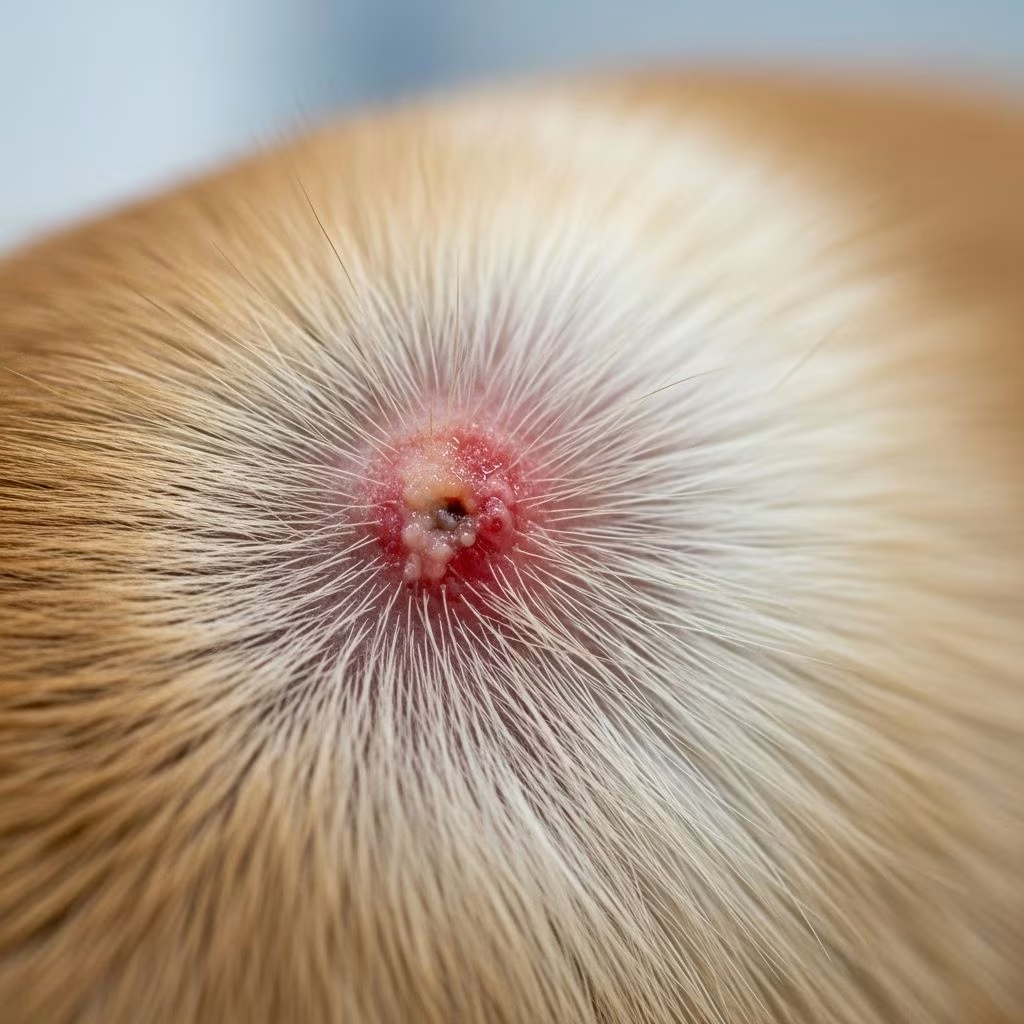
Skin boils in dogs, often manifesting as painful, pus-filled lumps, arise primarily from bacterial infections in hair follicles or deeper skin layers. These conditions, including furunculosis and abscesses, require prompt attention to prevent worsening or systemic spread.
Understanding What Causes Boils on Canine Skin
Boils develop when bacteria invade hair follicles, leading to inflammation and pus accumulation. Common culprits include Staphylococcus pseudintermedius, which thrives in moist or friction-prone areas like paws, armpits, or between toes.
Factors contributing to these infections encompass:
- Trauma from bites, scratches, or foreign objects such as thorns or foxtails, trapping bacteria under the skin.
- Underlying allergies or skin disorders like pyoderma that progress to deeper folliculitis.
- Interdigital issues in overweight dogs or those with gait abnormalities, causing repeated paw friction.
- Systemic conditions including endocrine disorders (e.g., hypothyroidism, Cushing’s disease) or weakened immunity, making skin more susceptible.
- Parasitic infestations or fungal elements exacerbating bacterial overgrowth.
Abscesses, a related issue, form when infections localize, often from anal gland problems or dental disease, creating foul-smelling swellings. Unlike superficial pimples, boils penetrate deeper, demanding thorough intervention.
Spotting the Signs of Boils Early
Early detection hinges on observing changes beneath your dog’s fur. Initial indicators include red, rash-like patches or small bumps, evolving into firm, tender nodules.
| Symptom | Description | Common Locations |
|---|---|---|
| Painful Swelling | Warm, firm lumps filled with pus or blood | Paws, armpits, groin |
| Pus Discharge | Leaking creamy or bloody fluid with foul odor | Any boil site |
| Licking/Chewing | Excessive attention to affected area | Toes, tail base |
| Fever/Lethargy | Systemic signs indicating spread | Generalized |
| Hair Loss | Crusting and bald patches around boil | Infected follicles |
If multiple boils appear or the dog limps, seek veterinary care immediately, as these signal deeper furunculosis.
Home Management Strategies for Mild Cases
For small, non-feverish boils, initial home care can promote drainage and comfort while awaiting professional advice.
- Clean Gently: Trim surrounding fur and wash with warm water and mild, pet-safe soap to remove debris.
- Apply Warm Compresses: Soak a clean cloth in warm (not hot) water for 10-15 minutes, 3-4 times daily, to soften the boil and encourage natural drainage.
- Prevent Self-Trauma: Fit an Elizabethan collar to stop licking, which introduces more bacteria.
- Monitor Closely: Track size, discharge, and behavior; no improvement in 48-72 hours warrants a vet visit.
Avoid popping boils manually, as this risks spreading infection. Nutritional boosts like omega-3-rich fish oils may aid immunity, but consult a vet first.
Veterinary Interventions for Serious Boils
Vets diagnose via physical exams, cytology, or cultures to pinpoint pathogens, tailoring treatments accordingly.
Standard protocols include:
- Drainage: Lancing under sedation to flush pus and debris, essential for abscesses.
- Antibiotics: Oral options like cephalosporins, clindamycin, or amoxicillin-clavulanate for 3-8 weeks, targeting resistant strains.
- Anti-Inflammatories: Steroids or NSAIDs to reduce swelling and pain.
- Topicals: Medicated shampoos, ointments with antimicrobials for surface control.
For recurrent cases linked to allergies or endocrine issues, long-term management addresses root causes. Interdigital furunculosis may require padded boots or surgery in chronic scenarios.
Preventing Recurrence of Skin Boils
Proactive measures fortify your dog’s skin barrier:
- Maintain year-round flea/tick preventives to avert parasitic triggers.
- Bathe regularly with vet-recommended shampoos suited to coat type, keeping skin dry.
- Manage weight and mobility to minimize paw trauma.
- Address allergies via hypoallergenic diets or immunotherapy.
- Regular grooming to clip fur in friction zones and inspect for injuries.
Balanced nutrition with omega-3 supports anti-inflammatory responses. Routine vet check-ups catch predispositions early.
When to Rush to the Vet
Escalate care if boils enlarge rapidly, multiple emerge, fever develops, or appetite wanes—these denote potential sepsis. Dogs with pre-existing conditions like diabetes face higher risks, necessitating immediate evaluation.
FAQs on Dog Skin Boils
Q: Can boils resolve without treatment?
No, most require drainage and antibiotics to prevent complications; home care aids mild cases only.
Q: Are boils contagious to humans?
Rarely, but good hygiene prevents zoonotic spread from shared bacteria.
Q: How long do treatments last?
Antibiotics span weeks; full healing may take months for deep infections.
Q: What breeds are prone?
Short-haired or heavy breeds like German Shepherds, Bulldogs due to skin folds.
Q: Is laser therapy an option?
Some vets use it for chronic paw boils to reduce inflammation.
Long-Term Skin Health for Your Dog
Beyond acute care, holistic wellness prevents boils. Encourage exercise to bolster immunity, trim nails regularly to avoid foot injuries, and monitor for early redness during pets. Breeds with dense undercoats benefit from breathable bedding to cut moisture. If boils recur, allergy testing or dermatologist referral uncovers hidden triggers. Owners report success integrating probiotics for gut-skin axis support, though evidence varies—discuss with your vet. Ultimately, vigilance and partnership with professionals ensure your dog’s coat remains lustrous and boil-free.
This guide empowers informed care, but it’s not a vet substitute. Tailor actions to your pet’s specifics.
References
- Caring for Your Dog: Effective Ways to Treat a Boil — Oreate AI Blog. 2024. https://www.oreateai.com/blog/caring-for-your-dog-effective-ways-to-treat-a-boil/440c5b6ed2217ddca4571493a201d43c
- Furunculosis in dogs — Pure Pet Food. 2024. https://www.purepetfood.com/help/furunculosis-in-dogs
- Painful Swelling, Pus Discharge, Foul Smell – Abscess in Dogs — Vetic. 2024. https://vetic.in/blog/pet-health/what-is-abscess-in-dogs-treatment-management-and-prevention-of-external-abscess-in-dogs/
- Folliculitis in Dogs: Causes, Treatment & Prevention — Animal Friends Dermatology. 2024-03-29. https://www.animalfriendsdermatology.com/site/blog/2024/03/29/folliculitis-dogs
- Dog Abscesses: Causes, Symptoms & How You Treat Them — UrgentVet. 2024. https://urgentvet.com/dog-abscess-causes-types-symptoms-treatment/
- What Is Pyoderma in Dogs? — WebMD. 2024. https://www.webmd.com/pets/dogs/what-is-pyoderma-in-dogs
- Abscesses in dogs — JOII Pet Care. 2024. https://www.joiipetcare.com/blogs/health-conditions/abscesses-in-dogs



